MEDINDIA
 English
 हिन्दी
 Español
 français
 中文
中文
A low-cost inhaled drug has shown major promise in reducing severity and death rates among patients with serious COVID-19 infections, raising hopes for broader use against other respiratory diseases.
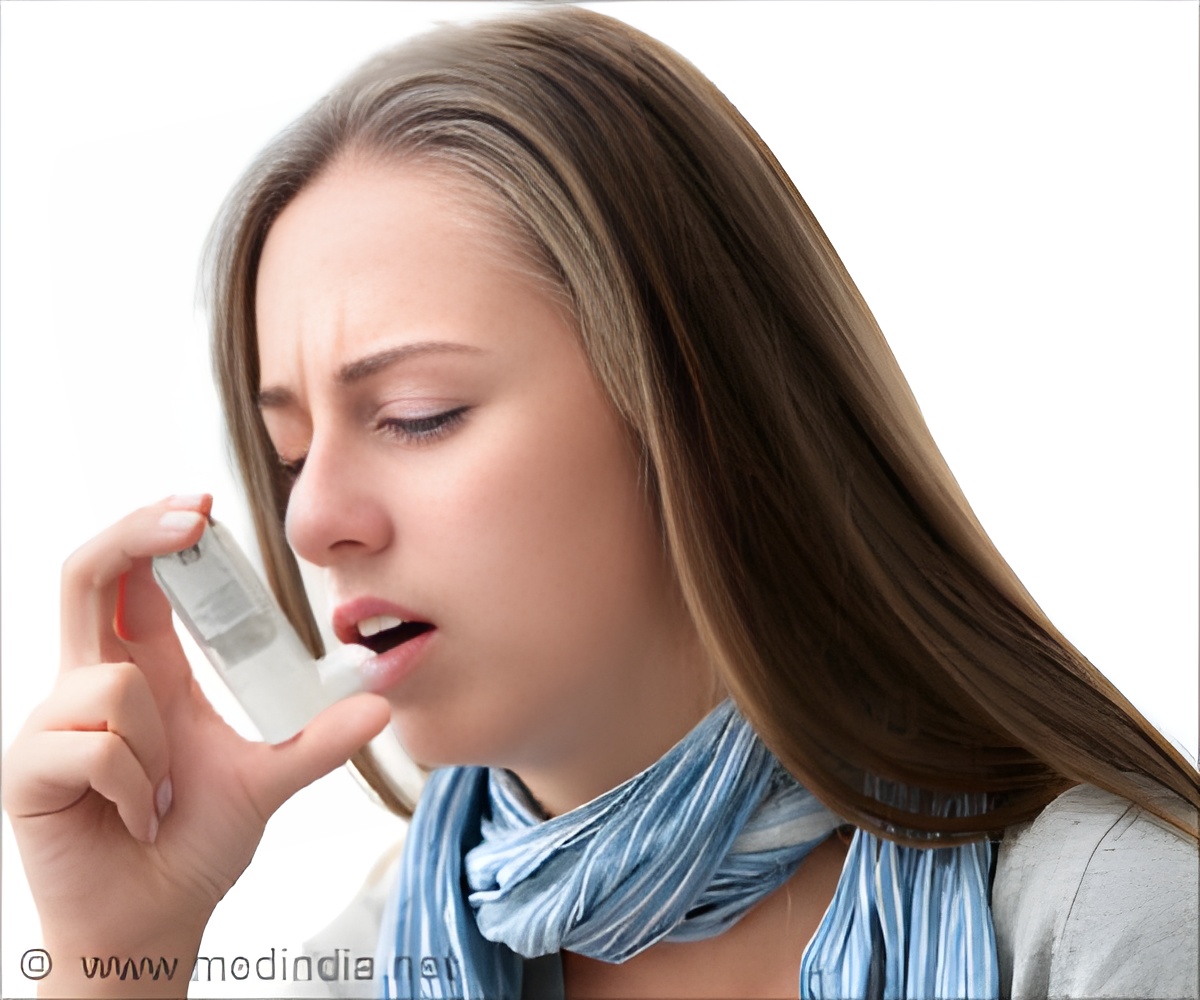
Involving nearly 500 hospitalized patients across six countries, the trial highlighted inhaled heparin’s ability to directly target lung tissue. Beyond its established use as a blood-thinner, the inhaled form demonstrated anti-inflammatory and pan-antiviral effects, making it a promising candidate not only for COVID-19 but also for other dangerous respiratory infections.
Anticoagulant Drug Heparin Targets Coronavirus Spike Protein
The anticoagulant drug heparin interacts with the spike protein on the coronavirus's surface, preventing it from docking with the ACE2 receptor on human cells.
The anticoagulant drug heparin interacts with the spike protein on the coronavirus's surface, preventing it from docking with the ACE2 receptor on human cells.
TOP INSIGHT

Did You Know?
#InhaledHeparin shows promise in saving lives by reducing deaths and the need for ventilators in severe #COVID19 cases. Its unique anti-viral, anti-inflammatory, and anti-coagulant properties make it a potential global breakthrough against future respiratory pandemics. #lunghealth #respiratorycare #medindia
How Does Inhaled Heparin Work?
Heparin, a drug traditionally injected to treat blood clots, was tested in this study in an inhaled form, targeting the lungs directly. As well as acting as an anticoagulant, heparin has anti-inflammatory and pan-antiviral properties. Earlier research results showed breathing and oxygen levels improved in COVID-19 patients after they inhaled a course of heparin.The researchers believe the drug could also be useful in fighting other serious respiratory infections such as pneumonia.
Professor Clive Page, Emeritus Professor of Pharmacology at King’s who co-led the international study with ANU’s Professor van Haren, said: “Inhaled heparin is anti-viral, anti-inflammatory and anti-coagulant. There’s no other drug that has that unique combination. We know it’s only a matter of time until the next pandemic, and there are still COVID-19 patients who get very sick. This is a great weapon to have up our sleeve.”

Study Says 87% People Tested Have Antibodies to COVID
In Tamil Nadu around 87% of people tested have antibodies to COVID, revealed fourth phase of the Sero surveillance study.
In Tamil Nadu around 87% of people tested have antibodies to COVID, revealed fourth phase of the Sero surveillance study.
Will This Drug Change Future Treatments?
While the findings highlight the potential of inhaled heparin, further development is required before the treatment can be routinely adopted. The researchers believe the drug could also be useful in fighting other serious respiratory infections such as pneumonia, which can be caused by a range of viruses and bacteria.According to Professor van Haren, the drug would also be helpful for those with a compromised immune system, such as cancer patients, when they experience a respiratory infection.
Professor Frank van Haren, lead author, ANU and Director of the Intensive Care Unit at the St George Hospital in Sydney, said: “It doesn’t matter what kind of respiratory infection the patient is dealing with, the drug – when inhaled - will stop it from infecting the patient and from damaging the lungs. We’re aiming to conduct another trial in Europe to confirm its effectiveness in fighting other common respiratory infections such as influenza and RSV. And because it’s inexpensive, it’s much more accessible for those from low-income countries."

When COVID-19 Infection is Most Likely to Spread?
People with COVID-19 remain infectious for five days after the onset of symptoms, and most people can come out of self-isolation after seven days.
People with COVID-19 remain infectious for five days after the onset of symptoms, and most people can come out of self-isolation after seven days.
What’s Next in Research?
The researchers are now also developing an improved formulation of heparin, specifically designed to be given by inhalation.The research is published in eClinicalMedicine and simultaneously presented at the European Respiratory Society (ERS) International Congress in Amsterdam on Sunday 28 September, the leading annual gathering for respiratory research.
Source-King’s College London
Test your Knowledge on Coronavirus (COVID-19)
Coronavirus is a large positive-strand RNA virus that is surrounded by a protein envelope. The virus obtains its name from the S protein spikes on its surface, which resemble a crown. The overall pattern of increasing coronavirus cases is shown to ...
Coronavirus is a large positive-strand RNA virus that is surrounded by a protein envelope. The virus obtains its name from the S protein spikes on its surface, which resemble a crown. The overall pattern of increasing coronavirus cases is shown to ...
 Email
Email