MEDINDIA
 English
 हिन्दी
 Español
 français
 中文
中文
It is an important and exciting first step in understanding how much pancreatic insulin can be produced and secreted in the clinical setting.

Diabetes Breakthrough: Insulin-Producing Mini Stomachs Could Lead To New Treatments
Cells taken from the lower section of the stomach have the greatest potential to be reprogrammed into insulin-producing beta cells and normalize blood glucose levels.
Cells taken from the lower section of the stomach have the greatest potential to be reprogrammed into insulin-producing beta cells and normalize blood glucose levels.
TOP INSIGHT

The fact that not all islets are created equal may provide some hope in the future of activating these backup islets to fight diabetes.
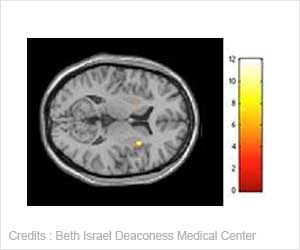
Researchers were then able to see, in real time, when the mouse was releasing its insulin by giving the mouse sugar water (glucose). After the glucose entered the stomach and blood sugar began to rise, insulin was released in response and fluorescence was released from some of the islets.
When isolated pancreatic beta cells were stimulated the same way, individual fluorescent flashes indicating secretion of small packets of insulin from the cells could be observed. Each flash is thought to release between 100,000 and 1 million insulin molecules. When the beta cells were not stimulated, insulin release was very low and no flashes were seen, indicating the amount of fluorescence released from beta cells was proportional to the amount of insulin released.

Loss of Sleep During Adolescence Raises the Risk for Insulin Resistance
How much slow-wave sleep a teenage boy gets may predict whether he is at risk for insulin resistance and other health issues.
How much slow-wave sleep a teenage boy gets may predict whether he is at risk for insulin resistance and other health issues.
This surprising result implies that some islets represent the body's first line of defense against high blood sugar -- an observation that before this study has never been made. "Perhaps only after we have lost our first responder islets do we recruit backup islets to provide insulin," Arvan says.
Cure for Type 1 Diabetes Using Insulin-Producing Cells At Close Proximity
Possibility to halt Type 1 diabetes for six months may soon come to reality with the use of encapsulated human islet cells.
Possibility to halt Type 1 diabetes for six months may soon come to reality with the use of encapsulated human islet cells.
"It has been a holy grail to try to look inside a living person's pancreas and see how much insulin that person has stored away," Arvan adds. "This study is an important and exciting first step in understanding how much pancreatic insulin can be produced and secreted in the clinical setting."
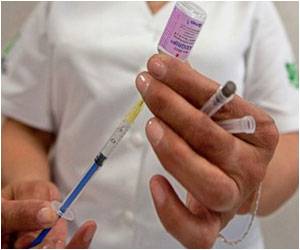
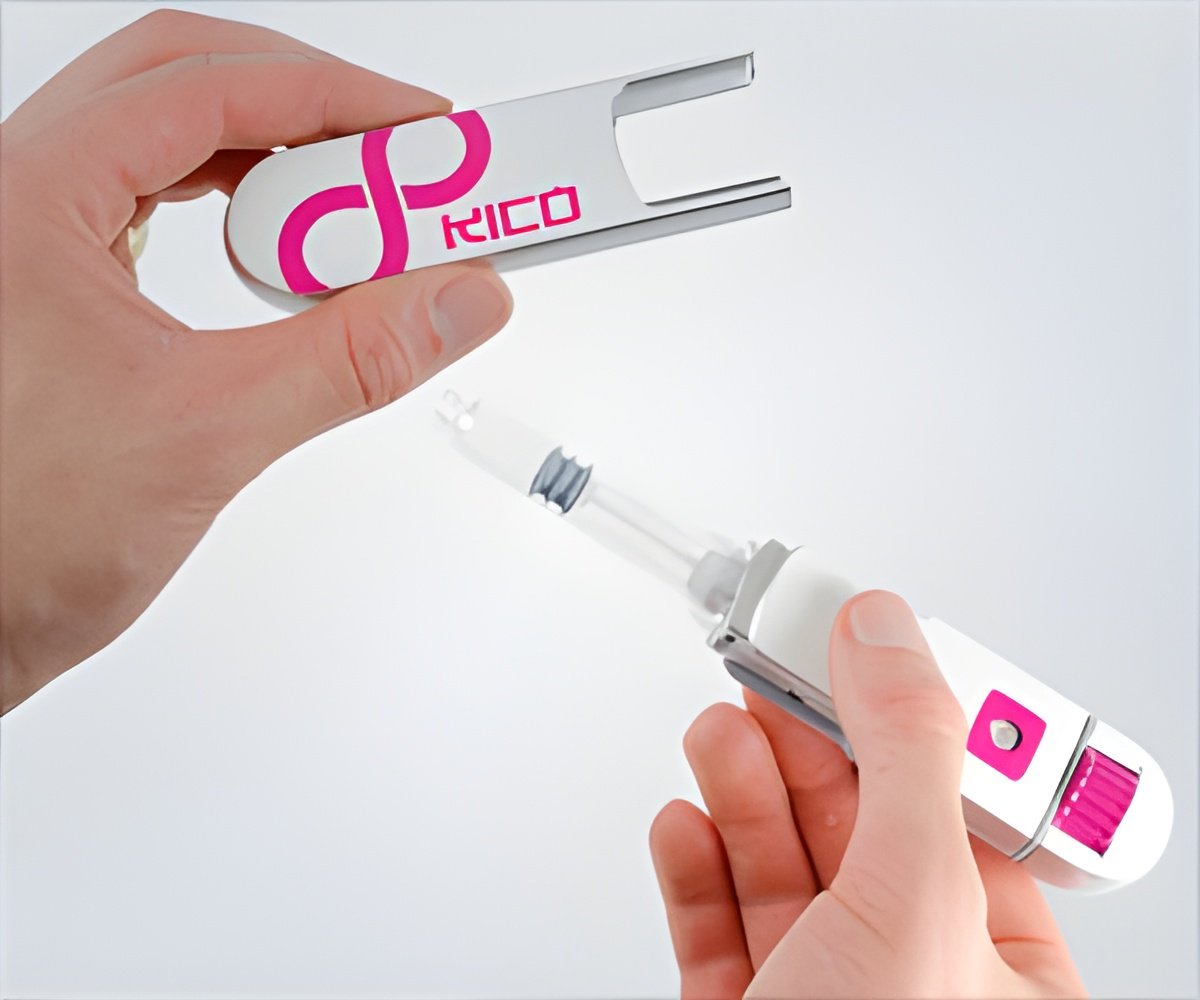
Green Insulin Technique May Help Eradicate Environmental Plastic Contamination
Plastic generated from insulin syringes per year is 6 lakh kg, besides 40 million pen needles.
Plastic generated from insulin syringes per year is 6 lakh kg, besides 40 million pen needles.
 Email
Email