MEDINDIA
 English
 हिन्दी
 Español
 français
 中文
中文
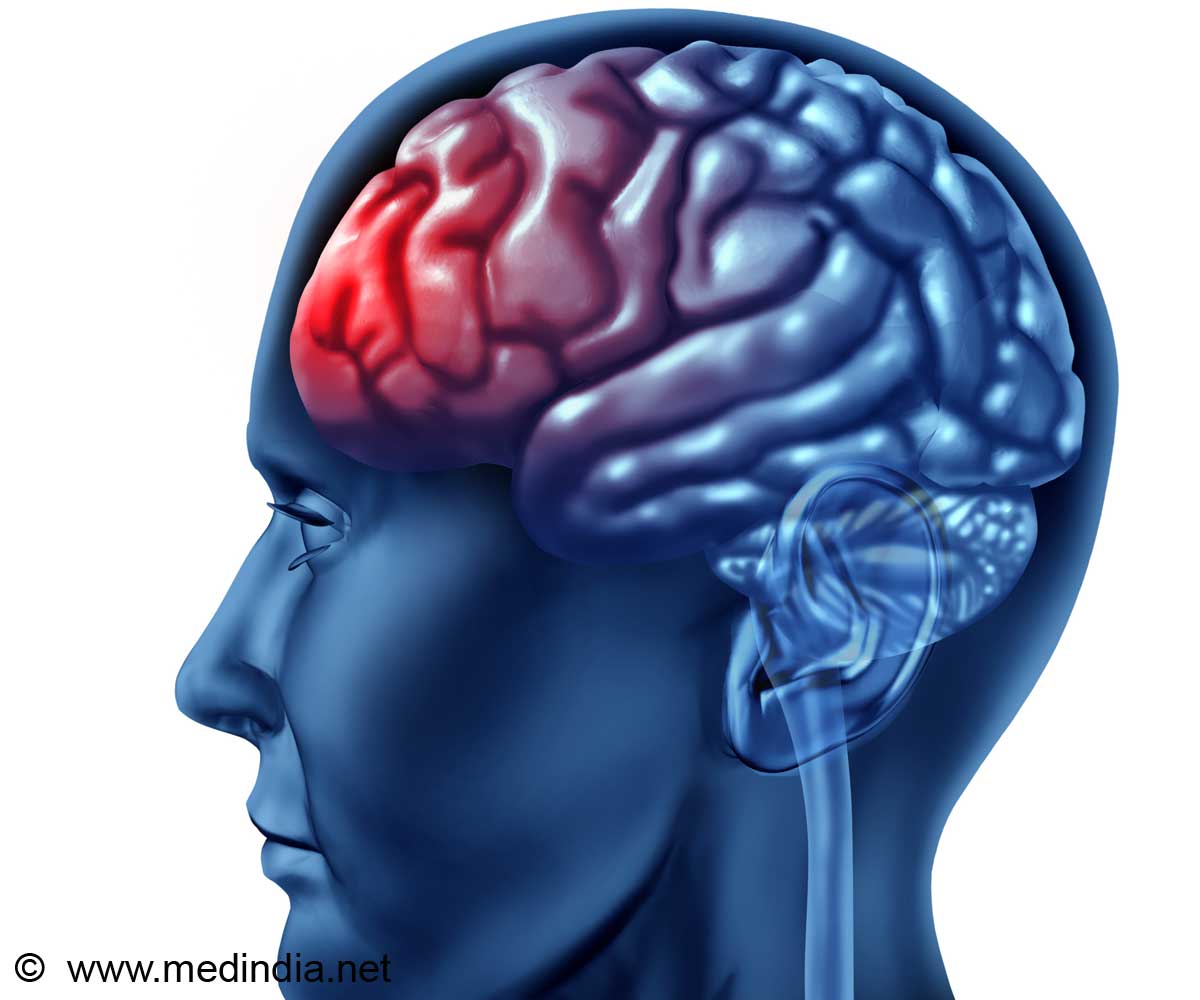
A comprehensive map of genetic mutations occurring in the second-most common form of brain cancer, oligodendroglioma, appears to reveal the biological cause of the tumors, scientists say.

About Brain Tumor
Brain tumors are the abnormal growth of brain cells that may be benign or metastatic. Brain tumors account for about 2.4% of all the tumor diagnosesandare most challenging due to their critically delicate location.
Brain tumors are the abnormal growth of brain cells that may be benign or metastatic. Brain tumors account for about 2.4% of all the tumor diagnosesandare most challenging due to their critically delicate location.
The theory is based on the fact that each cell in the human body has two copies of 23 chromosomes containing thousands of protein-producing genes. If a gene on one chromosome is damaged or deleted, the other copy makes up for the loss of protein. But if the second copy fails as well, the cell cannot make the proper protein and may become cancerous.
In oligodendrogliomas, the "first hit" has long been known to occur in regions of chromosome 1 and 19, which fuse together resulting in a loss of many genes on both chromosomes.
Quiz on Brain
The human brain is exquisitely intrinsic and is the seat of all emotions. If you are curious about what makes you bad, sad, silly or glad this quiz on the brain will satiate you.
The human brain is exquisitely intrinsic and is the seat of all emotions. If you are curious about what makes you bad, sad, silly or glad this quiz on the brain will satiate you.
In the current study, the Johns Hopkins investigators found mutations in the remaining copies of the CIC and FUBP1 genes on chromosomes 1 and 19, suggesting that these mutations represent the second hit needed to create cancer.

Top Ten Facts About Brain Tumors
Quick valuable reference that enlists interesting facts about brain tumors.
Quick valuable reference that enlists interesting facts about brain tumors.
Source-ANI

Top 10 Amazing Brain Facts
The brain is the most amazing and complex organ in this universe and has billions of nerve cells called as neurons. Medindia brings to you the top 10 amazing brain facts.
The brain is the most amazing and complex organ in this universe and has billions of nerve cells called as neurons. Medindia brings to you the top 10 amazing brain facts.
 Email
Email