MEDINDIA
 English
 हिन्दी
 Español
 français
 中文
中文
Skin cancer screenings performed by primary care physicians (PCPs) are an effective way to improve early detection of melanoma, which could save lives.
Novel Treatment for Reducing the Viability of Skin Cancer Cells
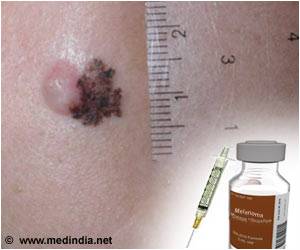
Newly synthesized and developed cancer drug, HA15, reduces the viability of melanoma cells without being toxic for normal cells.
Newly synthesized and developed cancer drug, HA15, reduces the viability of melanoma cells without being toxic for normal cells.
TOP INSIGHT

Skin cancer screenings performed by primary care physicians (PCPs) are an effective way to improve early detection of melanoma, which could save lives.
Rates of melanoma, the most dangerous form of skin cancer, are on the rise, and skin cancer screenings are one of the most important steps for early detection and treatment, said Dr. Ferris. Typically, patients receive skin checks by setting up an appointment with a dermatologist.
The goal of the new UPMC screening initiative, which was modeled after a promising German program, was to improve the detection of melanomas by making it easier for patients to get screened during routine office visits with their PCPs, explained Dr. Ferris.

Sunscreen Gene may Help Stave Off Skin Cancer
Individuals who have the normal UV-resistant gene can repair most UV-induced DNA burns in a timely manner, compared to those with defective UV-resistant gene.
Individuals who have the normal UV-resistant gene can repair most UV-induced DNA burns in a timely manner, compared to those with defective UV-resistant gene.
On average, the melanomas detected in the group who received a screening at a primary care visit were nearly twice as thin as those detected in the group that was not screened by a PCP. Thinner melanomas have a better prognosis than thicker ones that are more advanced, so the new findings suggest PCP screening is able to find melanomas at an earlier, more treatable stage, said Dr. Ferris.

Untreated Sleep Apnea May Be Related to Skin Cancer
Melanoma, the most serious type of skin cancer, develops in melanocytes, the cells that produce melanin — the pigment that gives your skin its color.
Melanoma, the most serious type of skin cancer, develops in melanocytes, the cells that produce melanin — the pigment that gives your skin its color.
"The PCP screenings prevented a lot of people from needing more aggressive therapy. Additionally, we did not see a high rate of false positive biopsies, in which no skin cancer was present, nor did we see a high rate of unnecessary dermatology referrals or skin surgeries, all of which suggest that the program did not simply drive up health care costs needlessly," Dr. Ferris said.
Compared to Men, Women Know Better About Skin Cancer
Only 56 percent of men know that there's no such thing as a healthy tan and that skin cancer can occur on areas of the skin not exposed to the sun.
Only 56 percent of men know that there's no such thing as a healthy tan and that skin cancer can occur on areas of the skin not exposed to the sun.
Source-Eurekalert
 Email
Email