MEDINDIA
 English
 हिन्दी
 Español
 français
 中文
中文
Melanoma, the most serious type of skin cancer, develops in melanocytes, the cells that produce melanin — the pigment that gives your skin its color.
Obstructive Sleep Apnea - Overview
Obstructive sleep apnea should be suspected in overweight middle aged adults who snore loudly and which can cause interruption of breathing for 10 seconds or more and this results in reduced blood o
Obstructive sleep apnea should be suspected in overweight middle aged adults who snore loudly and which can cause interruption of breathing for 10 seconds or more and this results in reduced blood o
TOP INSIGHT

Melanoma is a type of skin cancer that can spread to other organs in the body. The most common sign of melanoma is the appearance of a new mole.
The study involved 412 patients, average age 55.8, with confirmed cases of cutaneous malignant melanoma. The number of men and women in the study group was approximately equal. Dr. Martinez-Garcia and colleagues looked at a number of factors that indicated patients' prognosis, including the Clark and Breslow indices, which, taken together, determine the stage of melanoma.
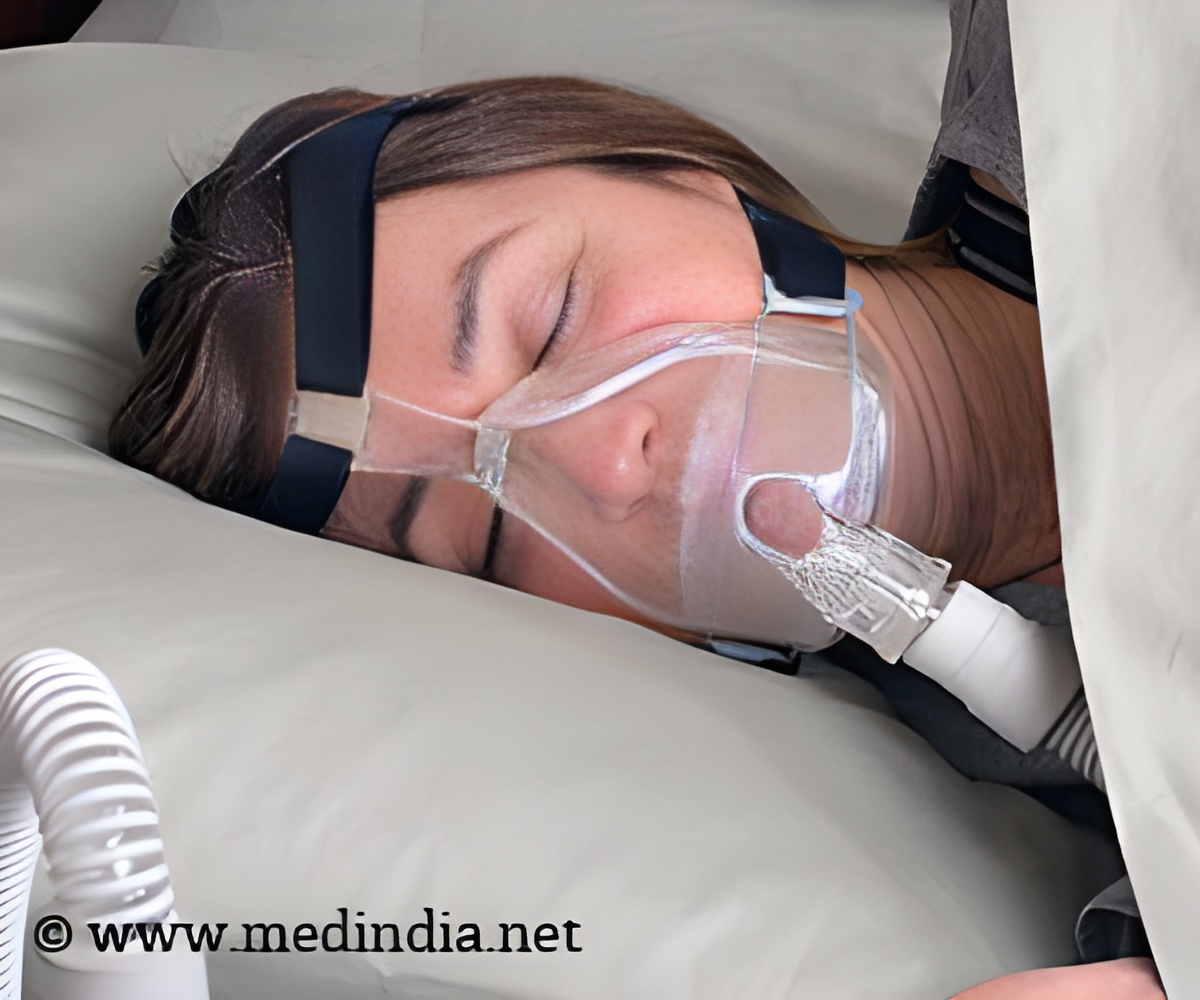
All patients underwent a sleep study, and patients previously treated with CPAP, a treatment to improve breathing during sleep, were excluded. The researchers found that patients diagnosed with the most aggressive cancers had higher prevalence and severity of obstructive sleep apnea. This relationship held true independent of age, gender, body mass index (BMI), skin type, sun exposure and other risk factors for melanoma.
Simple, Top Ways to Stop Snoring - Causes - Ways to Stop
Snoring is the audible sound generated by air vibrations in the narrow air passage of the nose, mouth, or throat. Here are top tips to stop snoring.
Snoring is the audible sound generated by air vibrations in the narrow air passage of the nose, mouth, or throat. Here are top tips to stop snoring.
The researchers chose to focus the study on melanoma for a number of reasons. Cutaneous melanoma can be easily observed and measured, and its aggressiveness determined using well- validated measures such as the Clark and Breslow indices. Members of the study group have also published a growth rate index for melanoma. In addition, earlier animal studies showed a link between melanoma growth and sleep apnea.
Sleep Disorders Associated with Epilepsy
Epilepsy and sleep disorders have a profound effect on each other. Epileptic seizures can disturb sleep; sleep disorders like sleep apnea, RLS can aggravate seizures.
Epilepsy and sleep disorders have a profound effect on each other. Epileptic seizures can disturb sleep; sleep disorders like sleep apnea, RLS can aggravate seizures.
Snoring Symptom Evaluation
People, who normally do not snore, tend to do so after a bout of drinking, viral infections or after taking certain medications.
People, who normally do not snore, tend to do so after a bout of drinking, viral infections or after taking certain medications.
 Email
Email