MEDINDIA
 English
 हिन्दी
 Español
 français
 中文
中文
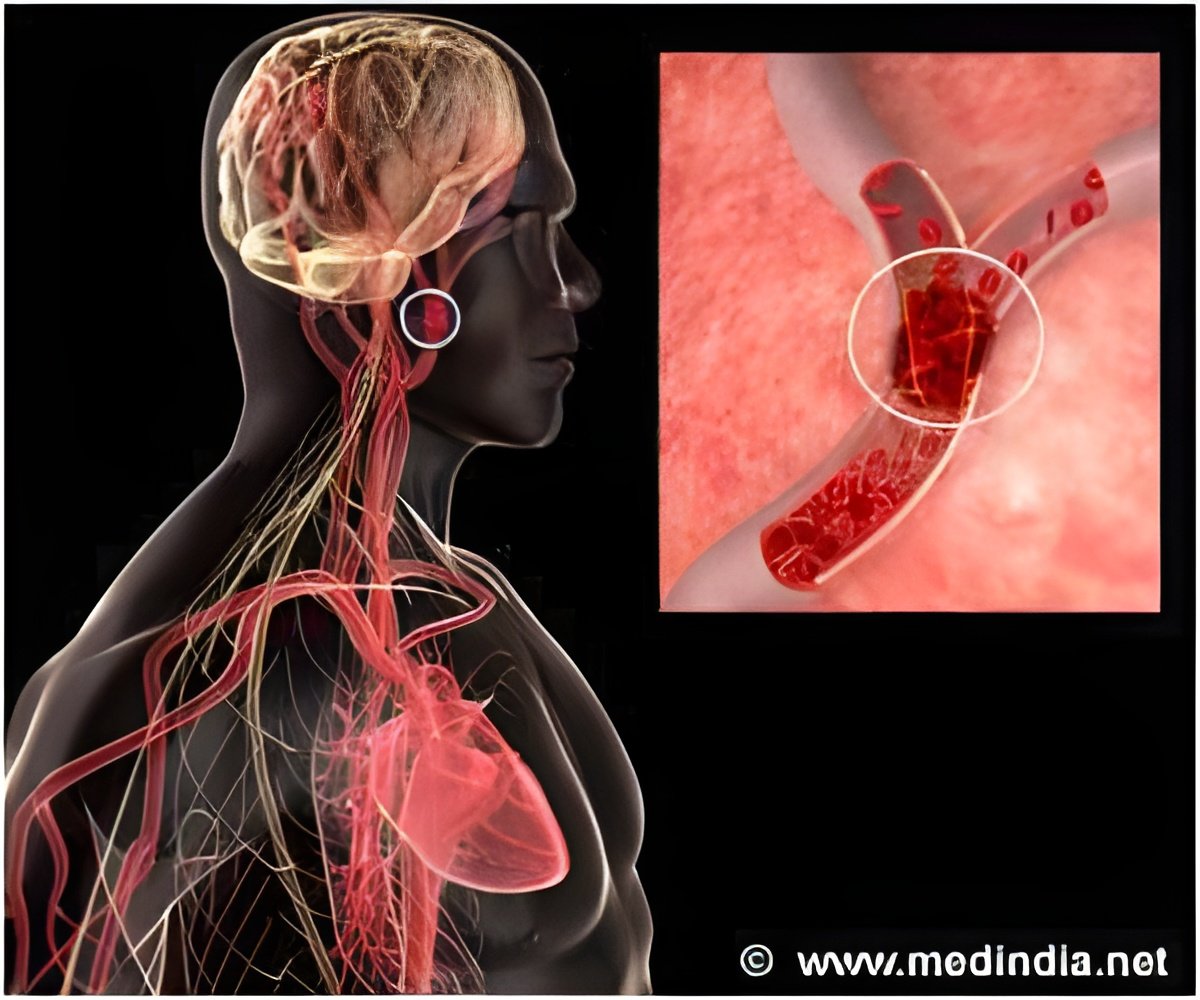
According to a study implementing an out-of hospital stroke policy in some Chicago hospitals was associated with significant improvements in emergency medical services use.

Heat Stroke - Causes - Symptoms - Treatment - FAQs
Heat stroke is caused when body temperature or hyperthermia exceeds 40.6°C or 105.1°F. Heat stroke can be triggered due to overwork during summer months and lack of perspiration.
Heat stroke is caused when body temperature or hyperthermia exceeds 40.6°C or 105.1°F. Heat stroke can be triggered due to overwork during summer months and lack of perspiration.
There were 1,075 admissions for stroke and transient ischemic attack in the pre-triage periods and 1,172 admissions in the post-triage period. Compared with the pre-triage period, use of emergency medical services increased from 30.2 percent to 38.1 percent and emergency medical services pre-notification increased from 65.5 percent to 76.5 percent after implementation. Rates of intravenous tPA use were 3.8 percent and 10.1 percent and onset-to-treatment times decreased from 171.7 to 145.7 minutes in the pre-triage and post-triage periods, respectively, according to the study results.
"A citywide stroke system of care that includes a preferential triage policy and paramedic and public education can have a significant, immediate, sustainable impact on IV tPA use," the study concludes.
How to Deal with a Stroke - Signs - Symptoms - Risk Factors - Prevention
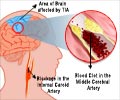
Stroke is a brain attack, which occurs when the blood supply to the brain is interrupted. It affects all age groups; according to the WHO, 15 million people are affected by stroke annually.
Stroke is a brain attack, which occurs when the blood supply to the brain is interrupted. It affects all age groups; according to the WHO, 15 million people are affected by stroke annually.

Stress and the Gender Divide-Mars and Venus-Biology-Different Strokes
Stress has become entwined in the current lifestyle of a young working couple and has resulted in the rise in incidence of hypertension, diabetes and psychosomatic illnesses.
Stress has become entwined in the current lifestyle of a young working couple and has resulted in the rise in incidence of hypertension, diabetes and psychosomatic illnesses.
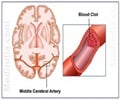
Stroke – Early Warning Signs - Risk Factor - Rehab - Treatment
Stroke can cause permanent disability and it is important to recognize its early warning signs to stop its progress. Early warning signs of stroke include sudden weakness of facial muscles.
Stroke can cause permanent disability and it is important to recognize its early warning signs to stop its progress. Early warning signs of stroke include sudden weakness of facial muscles.
 Email
Email