MEDINDIA
 English
 हिन्दी
 Español
 français
 中文
中文
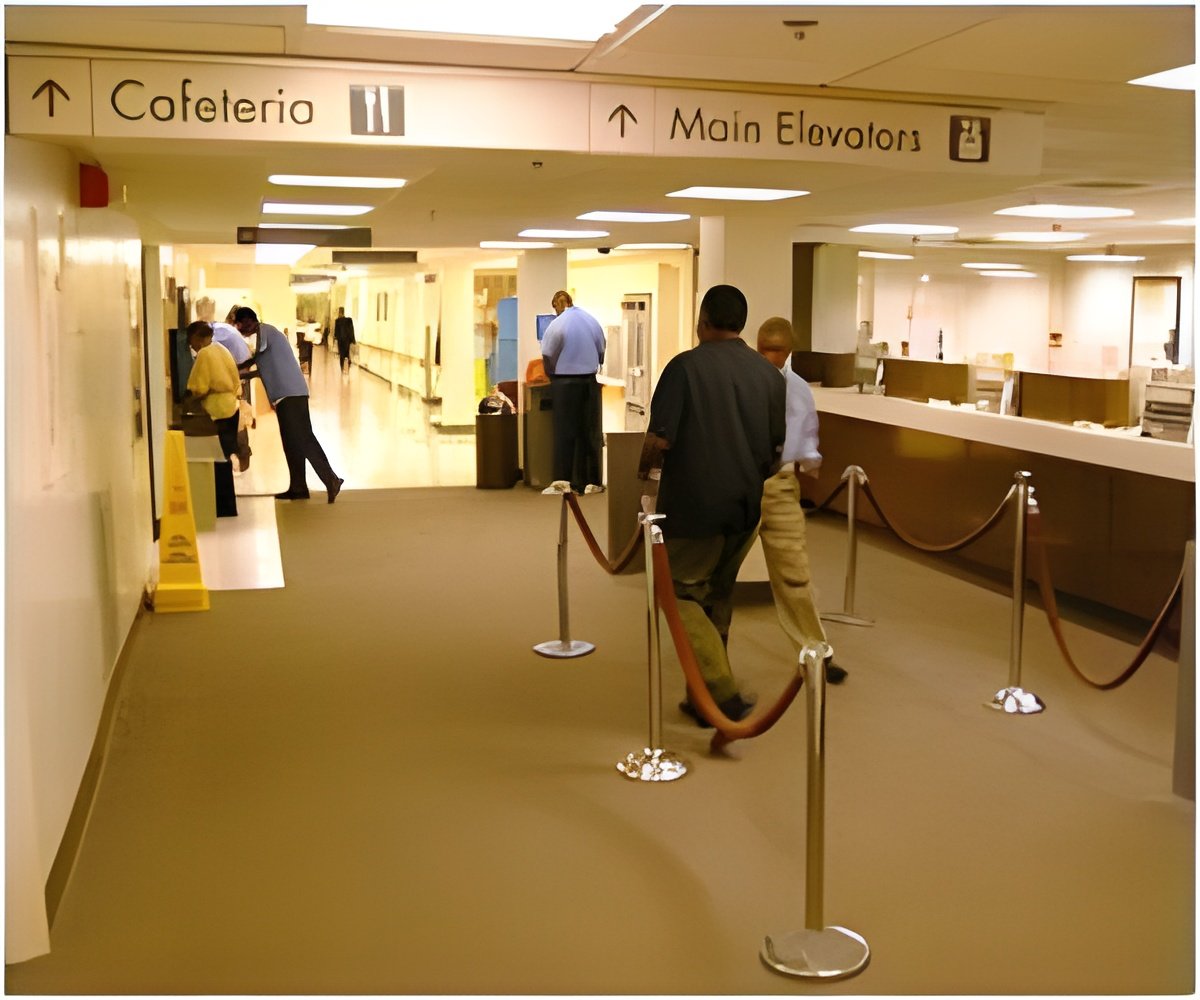
According to a research, nighttime frequency of vital signs monitoring for low-risk medical inpatients might be reduced.
Real-Life Tricorder to Check Your Vital Signs
Scanadu has developed a Bluetooth device that can scan your vital signs and send them to your smartphone.
Scanadu has developed a Bluetooth device that can scan your vital signs and send them to your smartphone.
The median (midpoint) evening MEWS was 2. The adverse event rate increased with higher evening MEWS. However, the frequency of vital sign disruptions was unchanged, with a median of two vital sign checks per patient per night and at least one disruption from vital sign collection 99.3 percent of the nights regardless of MEWS category. Almost half of all nighttime vital sign disruptions (45 percent) occurred in patients with a MEWS of 1 or less.
"Given these findings, further study of approaches to tailor vital sign collection based on risk of clinical deterioration is warranted and may help improve patient experience and safety in hospitals," the study concludes.

Digital Plaster can Monitor Vital Signs in Heart Patients Remotely
Researchers at Imperial College London (ICL) have developed a wireless digital 'plaster' that can monitor vital signs in heart patients continuously and remotely.
Researchers at Imperial College London (ICL) have developed a wireless digital 'plaster' that can monitor vital signs in heart patients continuously and remotely.

New Device Records Vital Signs in Just a Few Seconds
Some tech companies are doing what is need of the hour and perhaps what is on consumer wish lists, of having products that can help people manage their own health.
Some tech companies are doing what is need of the hour and perhaps what is on consumer wish lists, of having products that can help people manage their own health.

New Approach to Predict Severity of Illness in Children
Dr Susannah Fleming and colleagues made use of 3 vital signs (heart rate, temperature and oxygen saturation measurements) to assess the severity of illness in children.
Dr Susannah Fleming and colleagues made use of 3 vital signs (heart rate, temperature and oxygen saturation measurements) to assess the severity of illness in children.
 Email
Email