MEDINDIA
 English
 हिन्दी
 Español
 français
 中文
中文
Non-pharmacologic treatment approaches such as parental presence at the infant's bedside, skin to skin contact, and breastfeeding as first-line treatment can improve neonatal abstinence syndrome (NAS) symptoms.

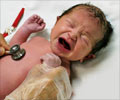
Neonatal Abstinence Syndrome – Causes Symptoms Diagnosis Treatment
Neonatal abstinence syndrome is a condition where newborn babies experience withdrawal symptoms due to use of addictive illicit or prescription drugs such as narcotics.
Neonatal abstinence syndrome is a condition where newborn babies experience withdrawal symptoms due to use of addictive illicit or prescription drugs such as narcotics.
TOP INSIGHT

Non-pharmacologic treatment approaches such as parental presence at the infant's bedside, skin to skin contact, and breastfeeding as first-line treatment improve outcomes for infants with neonatal abstinence syndrome (NAS).
However, recent research has shown non-pharmacologic treatment approaches, like skin-to-skin contact and breastfeeding, can improve NAS symptoms, and assessment tools that prioritize certain behaviors, such as how well an infant is eating and sleeping, have been shown to reduce the number of infants who receive medical treatment compared to the Finnegan Scale.
In 2016, BMC implemented these new approaches in the hospital. Non-pharmacologic treatment approaches included parental presence at the infant's bedside, skin to skin contact, and breastfeeding as first-line treatment. Parents were educated about the importance of their presence and contact with their infants, and infants were cared for in a pediatrics inpatient room with a bed for parents once mothers were discharged for their immediate postpartum care.

Mental Health Problems Higher in Mothers of Children Born With Neonatal Abstinence Syndrome (NAS)
Mothers of infants with neonatal abstinence syndrome (NAS) have a higher prevalence of mental health issues, says a recent study that will be presented at the Pediatric Academic Societies (PAS) 2018 Meeting in Toronto.
Mothers of infants with neonatal abstinence syndrome (NAS) have a higher prevalence of mental health issues, says a recent study that will be presented at the Pediatric Academic Societies (PAS) 2018 Meeting in Toronto.
These efforts resulted in significant improvements in patient outcomes. The need to treat infants with medication decreased from 87 to 40 percent; the average length of hospital stay decreased from an average of 17 days to 11 days; and average hospital charges per infant decreased to approximately $21,000, down from $32,000.

Buprenorphine Drug : Cuts Down Opioid Withdrawal Symptoms to Nearly Half in Infants
Opioid withdrawal in infants can be cut down to nearly half by using buprenorphine drug, finds study.
Opioid withdrawal in infants can be cut down to nearly half by using buprenorphine drug, finds study.
"Our ability to make significant, impactful changes in our care practices across several departments in a relatively quick amount of time indicates that these practices can be successfully replicated at other hospitals to improve outcomes for both the mother and the baby, as well as reduce healthcare costs."
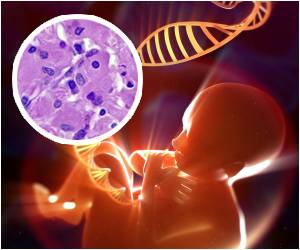
Shorter Hospital Stay for Infants Suffering from Neonatal Abstinence Syndrome
A new study shows that variations in genes associated among infants with neonatal abstinence syndrome was associated with a shorter lenght of hospital stay and lesser treatment.
A new study shows that variations in genes associated among infants with neonatal abstinence syndrome was associated with a shorter lenght of hospital stay and lesser treatment.
Source-Eurekalert
 Email
Email