MEDINDIA
 English
 हिन्दी
 Español
 français
 中文
中文
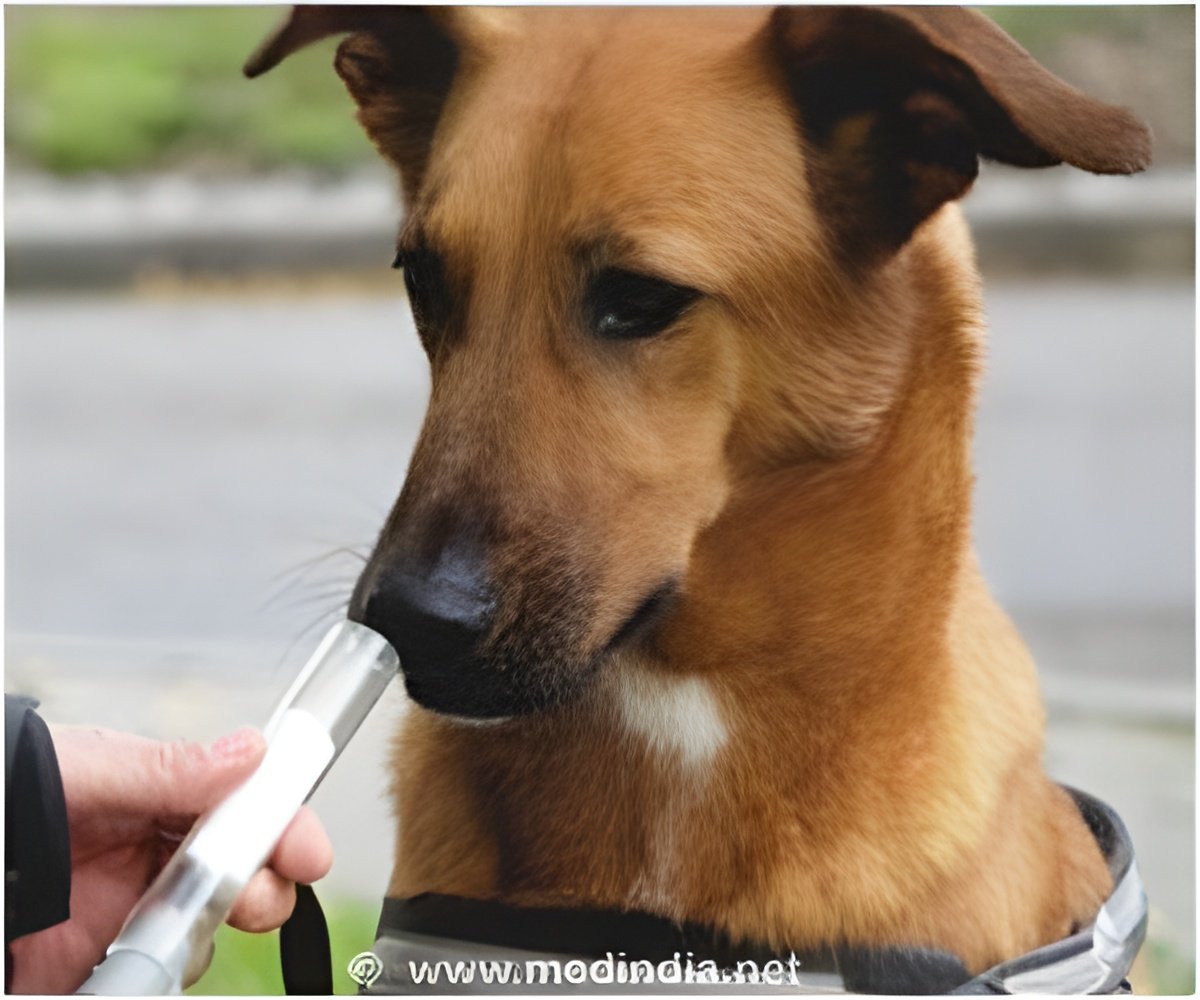
After this cleaning method, children who play with therapy dogs will have lesser chances of getting MRSA.

MRSA Strains Found in Hospital Privacy Curtains: Study
Hospital privacy curtains could be contaminated by dangerous germs like MRSA. They were found to become increasingly contaminated over time - and by day 14, 87.5 percent of the curtains tested positive for methicillin-resistant Staphylococcus aureus (MRSA).
Hospital privacy curtains could be contaminated by dangerous germs like MRSA. They were found to become increasingly contaminated over time - and by day 14, 87.5 percent of the curtains tested positive for methicillin-resistant Staphylococcus aureus (MRSA).
TOP INSIGHT

This cleaning intervention can decrease MRSA transmission from the therapy dog to the patient. Decolonization is inexpensive and fast - it can be done by hospital staff or even the dog handler - and improves patients' and dogs' safety.
Read More..
"It's amazing to watch just how excited the children get when they see the dogs for the first time, and they enjoy petting, hugging, kissing and playing fetch with them. The visits are really helpful in easing their anxiety and stress," said Kathryn Dalton, VMD, MPH, a PhD candidate in the Department of Environmental Health and Engineering at Johns Hopkins University Bloomberg School of Public Health, Baltimore. "But because they go from session to session the dogs can pick up and spread MRSA. We found this simple, low-cost intervention helps increase patient safety while still ensuring that young patients with cancer can benefit from these therapy dogs."
While MRSA carriage usually doesn't lead to infection in healthy people, the risk of infection is greater for people whose immune system is weakened, such as those who are being treated for cancer.
Penicillin Allergy Linked to MRSA Infections
Penicillin allergies may be an important public health strategy to reduce the incidence of MRSA and C difficile among patients with a penicillin allergy label, stated researchers.
Penicillin allergies may be an important public health strategy to reduce the incidence of MRSA and C difficile among patients with a penicillin allergy label, stated researchers.
The study also found that patients who interacted closely with the dogs - such as by petting, hugging, brushing the fur and spending more time - were six times more likely to become MRSA carriers than those who didn't interact closely. But once the dogs were decolonized, the risk for becoming MRSA carriers was no different in the close interaction group.
Immune System Can Protect Against MRSA Infections
New research finds the immune system might protect a person from recurrent bacterial skin infections caused by Staphylococcus aureus (staph).
New research finds the immune system might protect a person from recurrent bacterial skin infections caused by Staphylococcus aureus (staph).
Children with active MRSA infection are not allowed to participate in the dog therapy program. Further studies by the research team will look at whether any of the children who were colonized ultimately developed a MRSA infection, as well as to expand this intervention to other hospitals and departments to determine if the decolonization procedure works in other settings.

Unexpected MRSA Outbreaks Could be Avoided by Regular Genomic Surveillances
Regular Genomic surveillances of MRSA could help prevent the spread and the outbreaks of the infection.
Regular Genomic surveillances of MRSA could help prevent the spread and the outbreaks of the infection.
 Email
Email