MEDINDIA
 English
 हिन्दी
 Español
 français
 中文
中文
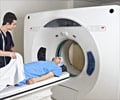
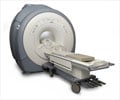
Magnetic resonance imaging of study participants indicated that ingestion of glucose, but not fructose, reduced cerebral blood flow and activity in brain regions that regulate appetite.

Diet and Nutrition for Healthy Weight Loss
Correct diet and a planned exercise regime is the mantra of healthy and sustainable weight loss.
Correct diet and a planned exercise regime is the mantra of healthy and sustainable weight loss.
The researchers found that there was a significantly greater reduction in hypothalamic CBF after glucose vs. fructose ingestion. "Glucose but not fructose ingestion reduced the activation of the hypothalamus, insula, and striatum—brain regions that regulate appetite, motivation, and reward processing; glucose ingestion also increased functional connections between the hypothalamic-striatal network and increased satiety."
"The disparate responses to fructose were associated with reduced systemic levels of the satiety-signaling hormone insulin and were not likely attributable to an inability of fructose to cross the blood-brain barrier into the hypothalamus or to a lack of hypothalamic expression of genes necessary for fructose metabolism."

Weight Loss Quick Fixes - Myth or Real?
Quick fix weight loss solutions are tempting when one is desperate to shed off the extra kilos, be it for a big occasion or post a holiday.
Quick fix weight loss solutions are tempting when one is desperate to shed off the extra kilos, be it for a big occasion or post a holiday.

Banned Drugs | Drugs Banned in India | List of Banned Drugs
Several drugs are either banned or withdrawn after introduction in the market.
Several drugs are either banned or withdrawn after introduction in the market.

Loss of Appetite or Decreased Appetite - Symptom Evaluation - Frequently Asked Questions
A loss of appetite deprives an individual of essential nutrients and results in weight loss.
A loss of appetite deprives an individual of essential nutrients and results in weight loss.
 Email
Email