MEDINDIA
 English
 हिन्दी
 Español
 français
 中文
中文
Multivitamins, vitamin D, calcium and vitamin C - the most common supplements provide no consistent health benefit or harm, revealed new study.


Vitamin Supplements-Vitamin C-Vitamin B6-Vitamin B9 - Vitamin B12
Easy to understand info & tips with diagrams about vitamin supplements like vitamin C, B6, B9 & B12. Latest research news on each vitamin's benefits and drawbacks for better consumer understanding.
Easy to understand info & tips with diagrams about vitamin supplements like vitamin C, B6, B9 & B12. Latest research news on each vitamin's benefits and drawbacks for better consumer understanding.
TOP INSIGHT

Multivitamins, vitamin D, calcium and vitamin C - the most common supplements provide no consistent health benefit or harm.
The study found folic acid alone and B-vitamins with folic acid may reduce cardiovascular disease and stroke. Meanwhile, niacin and antioxidants showed a very small effect that might signify an increased risk of death from any cause. "These findings suggest that people should be conscious of the supplements they're taking and ensure they're applicable to the specific vitamin or mineral deficiencies they have been advised of by their healthcare provider," Dr. Jenkins said.
His team reviewed supplement data that included A, B1, B2, B3 (niacin), B6, B9 (folic acid), C, D and E; and β-carotene; calcium; iron; zinc; magnesium; and selenium. The term 'multivitamin' in this review was used to describe supplements that include most vitamins and minerals, rather than a select few. "In the absence of significant positive data - apart from folic acid's potential reduction in the risk of stroke and heart disease - it's most beneficial to rely on a healthy diet to get your fill of vitamins and minerals," Dr. Jenkins said. "So far, no research on supplements has shown us anything better than healthy servings of less processed plant foods including vegetables, fruits and nuts."
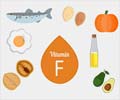
Vitamin-F - Sources, Functions & Deficiency
Deficiency of vitamin F causes easy bruising, slow healing, dull hair and dry eyes, eczema, damage to the kidneys and behavioral problems.
Deficiency of vitamin F causes easy bruising, slow healing, dull hair and dry eyes, eczema, damage to the kidneys and behavioral problems.

Test Your Knowledge on Multivitamins
Multivitamins are commonly taken by several healthy people, which may make you wonder if you need them. The following quiz will help you get a clearer view of the necessity and benefits of multivitamins.
Multivitamins are commonly taken by several healthy people, which may make you wonder if you need them. The following quiz will help you get a clearer view of the necessity and benefits of multivitamins.

Vitamins and Minerals in Food Items
Looking for the amount of vitamins and minerals in various food items? Know how much of vitamins and minerals are present in the selected food item using Medindia’s nutritional tool.
Looking for the amount of vitamins and minerals in various food items? Know how much of vitamins and minerals are present in the selected food item using Medindia’s nutritional tool.
 Email
Email