MEDINDIA
 English
 हिन्दी
 Español
 français
 中文
中文
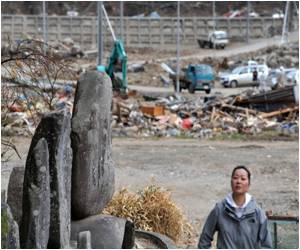
Most dialysis patients are not prepared to effectively handle man-made or natural disasters.
Dialysis - Hemodialysis, Peritoneal Dialysis and Role of Diet and Drugs
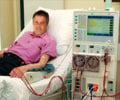
Dialysis is an artificial process for removing excess water and waste from the blood. Hemodialysis and peritoneal dialysis are the types of dialysis.
Dialysis is an artificial process for removing excess water and waste from the blood. Hemodialysis and peritoneal dialysis are the types of dialysis.
Among the major findings:
• All dialysis centers had a disaster preparedness program in place, but most patients were not well-prepared for a disaster.
• Only 43% of patients knew of alternative dialysis centers.
• Only 42% had adequate medical records at home that they could take with them in short notice.
• Only 40% had discussed the possibility of staying with a friend or relative during a disaster.
• Only 15% had a medical bracelet or necklace they could wear if they were forced to leave their homes.
• Age, gender, race, education, literacy, and income did not affect disaster preparedness.

Quiz on Kidney
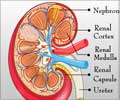
The kidneys are two bean-shaped organs, each about the size of a fist, and are located just below the rib cage, one on each side of your spine.
Healthy kidneys filter about half a cup of blood every minute, removing wastes and extra water to make urine. The urine flows from the kidneys to the bladder through two thin tubes of muscle called ureters, one on each side of your bladder. The bladder stores urine. The kidneys, ureters, and bladder are partof the urinary tract.
 Failure- Causes, Symptoms, Diagnosis, Treatment and Complications") kidneys remove wastes and extra fluid from your body. Kidneys also remove acid that is produced by the cells of your body and maintain a healthy balance of water, salts, and minerals-such as sodium, calcium, phosphorus and potassium-in your blood ().
kidneys remove wastes and extra fluid from your body. Kidneys also remove acid that is produced by the cells of your body and maintain a healthy balance of water, salts, and minerals-such as sodium, calcium, phosphorus and potassium-in your blood ().
Without this balance, nerves, muscles, and other tissues in the body may not work normally.
 Kidneys also make hormones that help
The kidneys are two bean-shaped organs, each about the size of a fist, and are located just below the rib cage, one on each side of your spine.
Healthy kidneys filter about half a cup of blood every minute, removing wastes and extra water to make urine. The urine flows from the kidneys to the bladder through two thin tubes of muscle called ureters, one on each side of your bladder. The bladder stores urine. The kidneys, ureters, and bladder are partof the urinary tract.
Acute Renal (Kidney) Failure- Causes, Symptoms, Diagnosis, Treatment and Complications
Acute renal failure is the sudden cessation of the functioning of kidneys, that can be due to reduced renal blood flow, damage to renal tissues.
Acute renal failure is the sudden cessation of the functioning of kidneys, that can be due to reduced renal blood flow, damage to renal tissues.
Without this balance, nerves, muscles, and other tissues in the body may not work normally.

Time Averaged Concentration of Urea
This calculator gives you the average concentration of urea, which is calculated with the value of blood urea nitrogen (BUN), in terms of mg/dl, before and after dialysis.
This calculator gives you the average concentration of urea, which is calculated with the value of blood urea nitrogen (BUN), in terms of mg/dl, before and after dialysis.
- Control your blood pressure
- Make red blood cells
- Keep your bones strong and healthy
These findings are disturbing: disruptions in care for dialysis patients can seriously jeopardize their health. "A dialysis patient relies on frequent visits to a dialysis facility to maintain his or her health, and when patients cannot receive dialysis due to lack of clean water, lack of electricity, impassable roadways, etc., severe medical complications can occur quite quickly," said Foster. "This lack of preparation should stimulate measures to ensure better preparation for future disasters."
The results indicate that dialysis centers and medical organizations should work harder to educate and help dialysis patients prepare themselves for a potential disaster.
Study co-authors include Frances Shofer, PhD, Darren Dewalt, MD, Ronald Falk, MD (University of North Carolina), and Stephanie Principe (Davidson University).
Source-Newswise
 Email
Email