MEDINDIA
 English
 हिन्दी
 Español
 français
 中文
中文

Larger waistlines, high blood pressure, and other metabolic health issues may increase the risk of developing Parkinson’s disease.
Highlights:
A larger waistline, high blood pressure, and other risk factors that define metabolic syndrome are linked to a higher likelihood of developing Parkinson’s disease (1✔ ✔Trusted Source- People with metabolic syndrome are about 40 percent more likely to develop Parkinson’s disease
- Genetic risk combined with metabolic syndrome raises Parkinson’s disease risk further
- Metabolic syndrome includes excess belly fat, high blood pressure, high blood sugar, and more
Parkinson's disease risk increases with metabolic syndrome
Go to source). This was revealed in a study published, in Neurology, the medical journal of the American Academy of Neurology. Although the study does not establish a direct cause-and-effect relationship, it identifies a significant association between the two conditions.
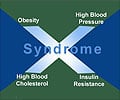
Metabolic syndrome is diagnosed when a person has at least three of the following risk factors: excess abdominal fat, elevated blood pressure, high blood sugar levels, elevated triglycerides (a type of blood fat), and reduced levels of high-density lipoprotein cholesterol, often called “good” cholesterol.

Parkinson’s Disease - Causes, Symptoms, Diagnosis, Treatment
Parkinson’s disease is a neurodegenerative disease caused by progressive dopamine brain cells loss. Symptoms of Parkinson’s disease are correctable to an extent.
Parkinson’s disease is a neurodegenerative disease caused by progressive dopamine brain cells loss. Symptoms of Parkinson’s disease are correctable to an extent.
TOP INSIGHT

Did You Know?
People with #metabolicsyndrome are 40 percent more likely to develop Parkinson's disease, and the risk jumps even higher for those carrying Parkinson's-related genes. #parkinsonsdisease #metabolichealth #medindia
Widespread Impact and Modifiable Nature of Metabolic Syndrome
“Parkinson’s disease is the second most prevalent neurodegenerative disorder in older adults, surpassed only by Alzheimer’s disease. Metabolic syndrome, which affects about one in four adults, is considered highly modifiable,” stated Weili Xu, Ph.D., of the Karolinska Institutet in Stockholm, Sweden. “Our results indicate that metabolic syndrome might be a changeable risk factor for Parkinson’s disease. More research is necessary to determine whether managing metabolic syndrome could help in preventing Parkinson’s disease.”The research examined 467,200 individuals with an average age of 57, of whom 38 percent had metabolic syndrome. Participants were observed over a median span of 15 years. During this period, 3,222 individuals developed Parkinson's disease.
Those without metabolic syndrome had an incidence rate of 4.87 Parkinson’s cases per 10,000 person-years, while those with the syndrome had a rate of 5.21 per 10,000 person-years. Person-years combine the number of people and the duration of their participation in the study.

Quiz on Parkinson’s Disease
Introduction: Parkinson's disease (PD) is a chronic and progressive nervous system disorder that results in a gradual loss of muscle control. It has an impact on the body's ability to control movement. ...
Introduction: Parkinson's disease (PD) is a chronic and progressive nervous system disorder that results in a gradual loss of muscle control. It has an impact on the body's ability to control movement. ...
Adjusted Analysis Shows 40 Percent Higher Risk
After considering factors like age, smoking habits, physical activity, and genetic markers linked to Parkinson’s disease, the study found that individuals with metabolic syndrome were approximately 40 percent more likely to develop the condition than those without it.Researchers also performed a meta-analysis incorporating all available studies on the subject. This combined analysis supported their findings, revealing that people with metabolic syndrome had a 29 percent greater risk of developing Parkinson’s disease compared to those without the syndrome.
Genetic Susceptibility Intensifies Risk
“We further observed an even higher risk of Parkinson’s disease in individuals who had both metabolic syndrome and a genetic predisposition to the disease,” Xu added. “This indicates that maintaining metabolic health could be especially critical for those with a genetic vulnerability to Parkinson’s disease.”One limitation of this study is that most participants were white, which may affect how the results apply to other racial or ethnic groups.
In conclusion, the study highlights a strong association between metabolic syndrome and an increased risk of developing Parkinson’s disease, particularly for individuals with a genetic predisposition.
As metabolic syndrome is a modifiable condition, addressing risk factors like abdominal fat, high blood pressure, and poor cholesterol levels may offer a new approach in reducing the chances of developing Parkinson’s disease.
Reference:
- Parkinson's disease risk increases with metabolic syndrome - (https://www.aan.com/PressRoom/Home/PressRelease/5278)

Diseases Related to Old Age
Ageing is referred to the accumulation of changes that brings a person closer to death.
Ageing is referred to the accumulation of changes that brings a person closer to death.
 Email
Email