MEDINDIA
 English
 हिन्दी
 Español
 français
 中文
中文
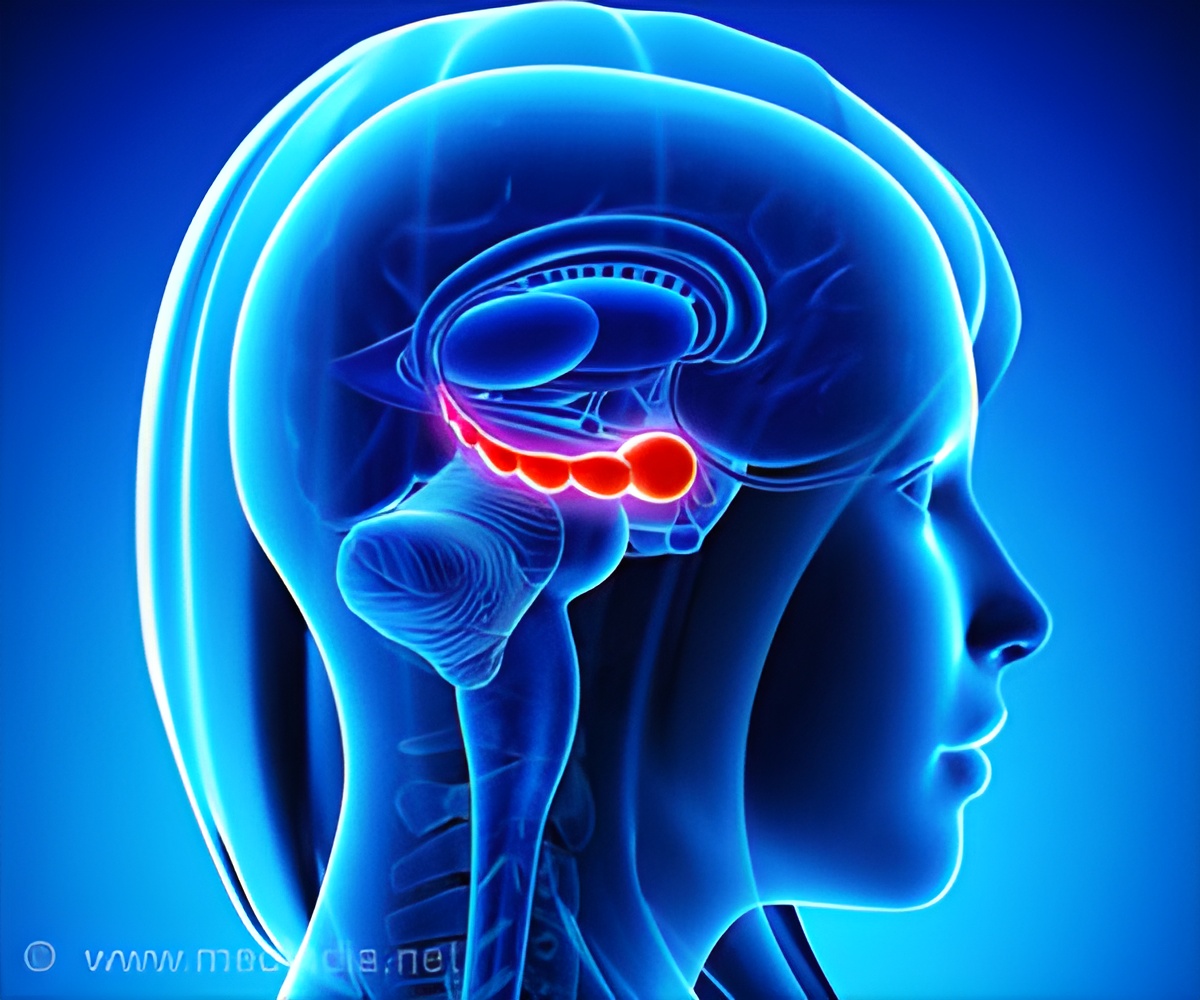
Memory flexibility may be rendered by star cells — astrocytes in the brain region called the hippocampus (sea-horse-shaped brain region — vital for memory).

Memory Loss - Can it be Recovered?
Memory loss or amnesia can be recovered when the cause is reversible, like minor head injury, anxiety, depression, stress, hypothyroidism and vitamin B12 deficiency.
Memory loss or amnesia can be recovered when the cause is reversible, like minor head injury, anxiety, depression, stress, hypothyroidism and vitamin B12 deficiency.
TOP INSIGHT

Memory flexibility may be rendered by star cells — astrocytes in the brain region called the hippocampus (sea-horse-shaped brain region — vital for memory) by the co-release of brain chemicals called D-serine and glutamate.
The team showed that using astrocyte-specific gene regulation, the release of D-serine could be synthesized through the calcium-activated channel called Best1. This makes astrocytes ideal regulators of NMDAR activity and synaptic plasticity.
"It is hoped that this study will provide valuable insights on how to relieve or treat symptoms of autism, schizophrenia, and early dementia, which are known to reduce cognitive flexibility," says Director C. Justin LEE, who led the study at the Center for Cognition and Sociality, Institute for Basic Science (IB, Daejeon, South Korea.

Alzheimer’s disease - Causes, Symptoms, Diagnosis, Stages, Types, Prevention, Prognosis & Treatment
Alzheimer's disease is a progressive neurodegenerative disease affecting memory and thinking and making the person increasingly dependent on others.
Alzheimer's disease is a progressive neurodegenerative disease affecting memory and thinking and making the person increasingly dependent on others.
Foods to Improve Memory Power | Memory Boosting Foods
Eating healthy nutritious foods can help improve memory power and prevent brain-related illness. Eat foods that have numerous health benefits for keeping your brain healthy.
Eating healthy nutritious foods can help improve memory power and prevent brain-related illness. Eat foods that have numerous health benefits for keeping your brain healthy.

Brain Exercises to Improve Memory
An active brain can certainly help in improving memory by strengthening the connections between neural impulses in brain.
An active brain can certainly help in improving memory by strengthening the connections between neural impulses in brain.
 Email
Email