MEDINDIA
 English
 हिन्दी
 Español
 français
 中文
中文
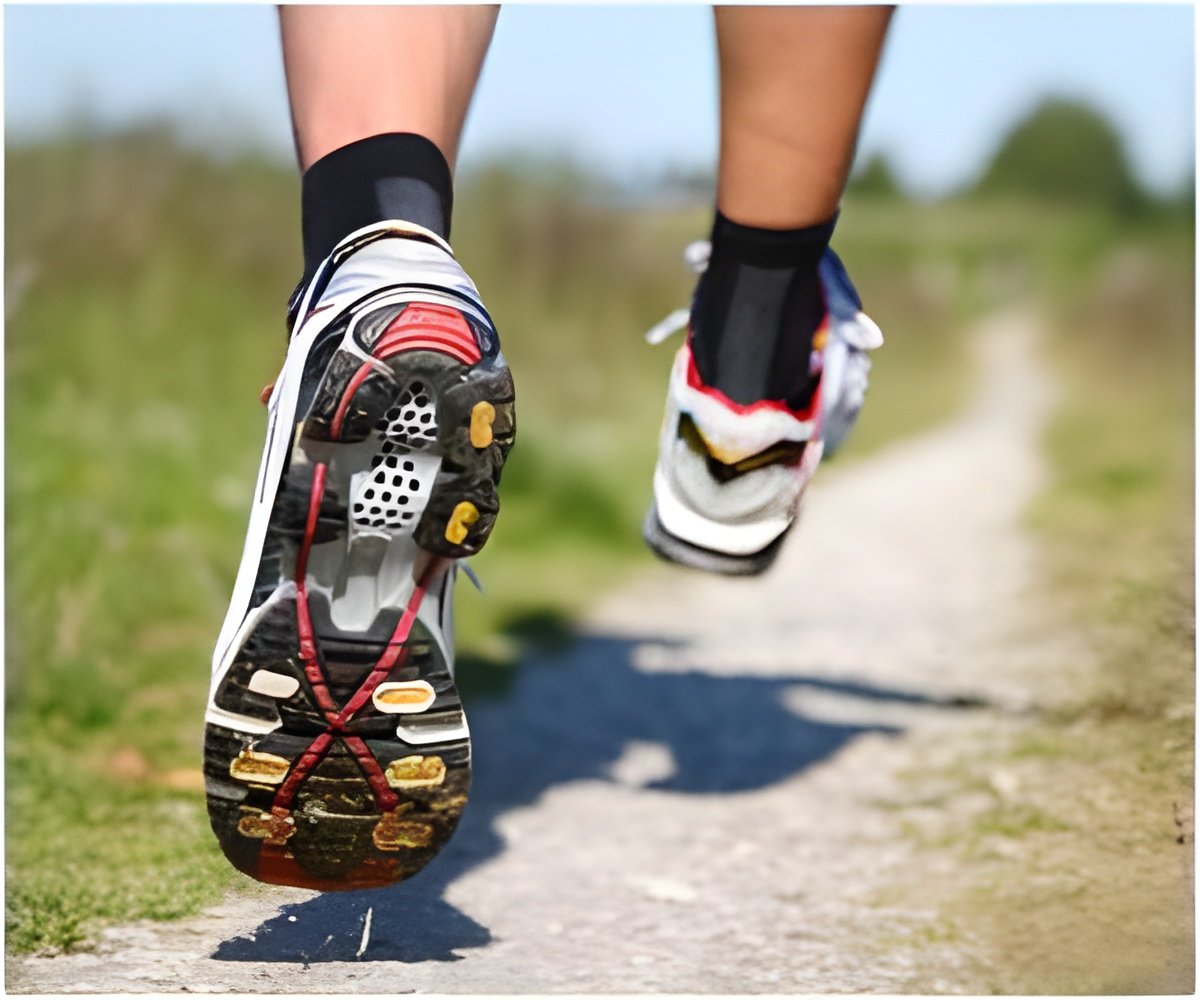
Maximal running shoes may increase injury risk to some runners, finds a study that concluded that runners experienced a higher impact peak and increased loading rate with the maximal shoes. Increases in both factors are associated with a greater likelihood of injury.

Injuries Related to Sports
Injuries are common in the sporting world. They can be minor like bruises and cuts, serious like fractures and sometimes fatal like head injuries.
Injuries are common in the sporting world. They can be minor like bruises and cuts, serious like fractures and sometimes fatal like head injuries.
TOP INSIGHT

Maximal running shoes may increase injury risk among runners as runners who wear these shoes experience a higher impact peak and increased loading rate which are both associated with a greater likelihood of injury.
Maximal running shoes feature increased cushioning, particularly in the forefoot region of the midsole, and have gained popularity since being introduced in 2010. More than 20 varieties of maximal shoes are on the market.
Runners wearing maximal shoes, the researchers wrote, have reported feeling the extra cushion after running two to three miles. As a result, the researchers did not expect to find increases in impact peak or loading rate in runners wearing maximal shoes.

Sports Medicine
Sports medicine is a branch of medicine dealing with the diagnosis and treatment of sports injuries that result from strenuous activity or exercise.
Sports medicine is a branch of medicine dealing with the diagnosis and treatment of sports injuries that result from strenuous activity or exercise.
"We were surprised by these results," said Christine Pollard, director of the FORCE Lab and an associate professor of kinesiology. "We thought we would see the opposite. Typically, increased cushioning results in a reduction in the impact peak and loading rate of the vertical ground reaction force. We suspect that the large amount of cushioning across the entire midsole caused the runners to rely more on the shoe than on their own internal structures to attenuate these forces."

Best Sports Supplements to Improve Athletes� Performance
Sports supplements are substances used to improve athletic performance. Read interesting information on sports foods, dietary supplements and ergogenic aids along with their benefits and side effects.
Sports supplements are substances used to improve athletic performance. Read interesting information on sports foods, dietary supplements and ergogenic aids along with their benefits and side effects.
The research is a first step in gathering evidence on the effects of maximal running shoes on runners' injury risks, said Pollard, who is also a licensed physical therapist. Maximal shoes are becoming very popular, but without controlled studies, clinicians have been unable to make science-based recommendations to runners.

Pre and Post Exercise Nutrition
Exercise is a need to eat better and perform better. Nourishing the body with wholesome food will make it grow stronger and fitter. Here’s a complete guide to pre and post-exercise nutrition.
Exercise is a need to eat better and perform better. Nourishing the body with wholesome food will make it grow stronger and fitter. Here’s a complete guide to pre and post-exercise nutrition.
The study is published in The Orthopaedic Journal of Sports Medicine.
Source-Eurekalert
 Email
Email