MEDINDIA
 English
 हिन्दी
 Español
 français
 中文
中文
Researchers used a deep learning model to turn the MRI data into patient-specific parameter estimates that inform a predictive model for brain tumor growth.
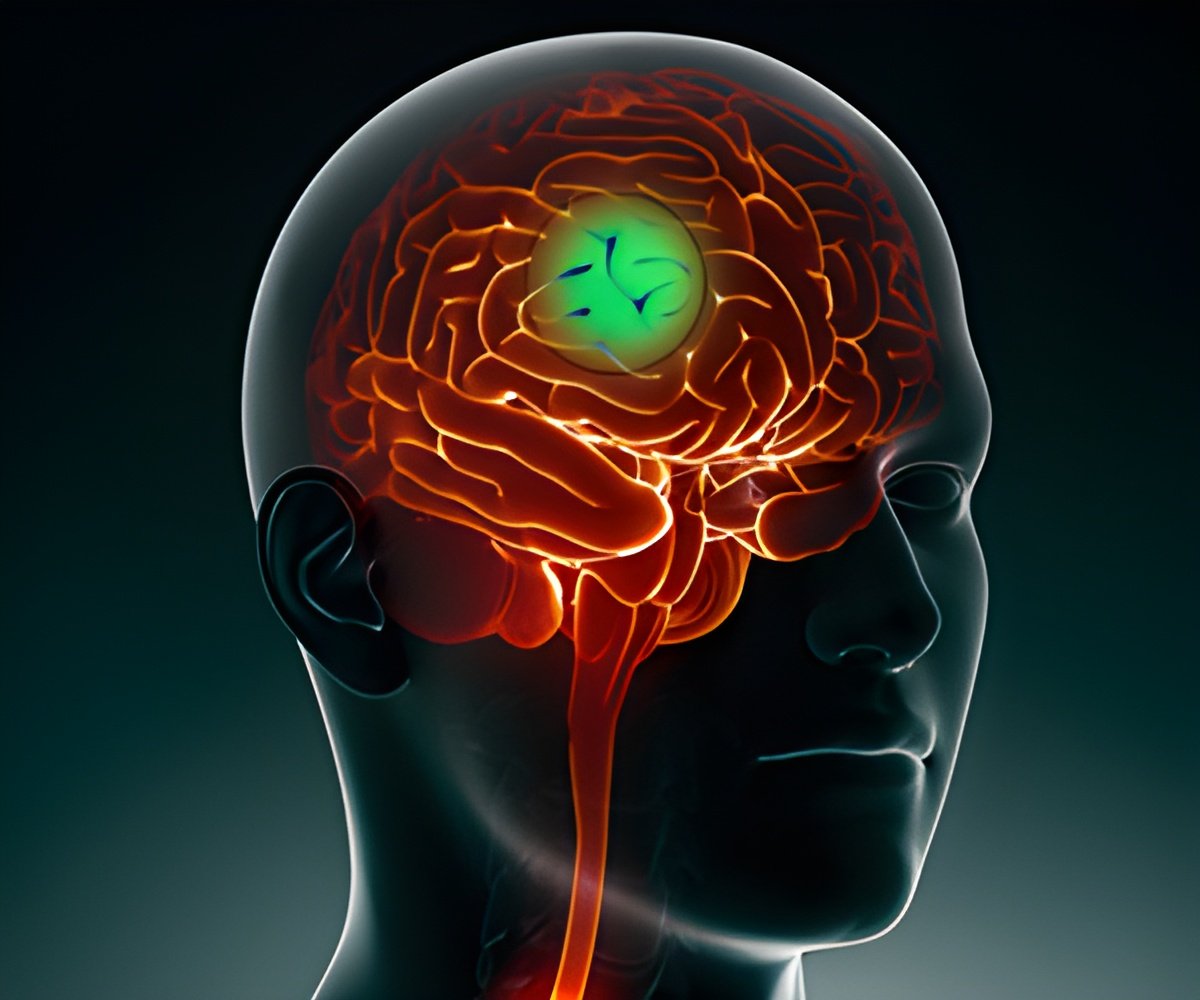
Brain Tumor: Facts and Figures
Glioblastoma multiforme (GBM) is a brain cancer with an average survival rate of only one year. It is difficult to treat due to its extremely dense core, rapid growth, and location in the brain. Estimating these tumors’ diffusivity and proliferation rate is useful for clinicians, but that information is hard to predict for an individual patient quickly and accurately.
About Brain Tumor
Brain tumors are the abnormal growth of brain cells that may be benign or metastatic. Brain tumors account for about 2.4% of all the tumor diagnosesandare most challenging due to their critically delicate location.
Brain tumors are the abnormal growth of brain cells that may be benign or metastatic. Brain tumors account for about 2.4% of all the tumor diagnosesandare most challenging due to their critically delicate location.
TOP INSIGHT

Machine learning technique was applied to patients’ and synthetic brain tumors, for which the true characteristics were known, enabling them to validate the model.
“We would have loved to do this analysis on a huge data set,” said Cameron Meaney, a PhD candidate in Applied Mathematics and the study’s lead researcher. “Based on the nature of the illness, however, that’s very challenging because there isn’t a longlife expectancy, and people tend to start treatment. That’s why the opportunity to compare five untreated tumors was so rare – and valuable.”
Now that the scientists have a good model of how GBM grows untreated, their next step is to expand the model to include the effect of treatment on the tumors. Then the data set would increase from a handful of MRIs to thousands.
Brain Tumor in Children - Types, Causes, Symptoms, Diagnosis & Treatment
An abnormal growth of cells in the brain is called brain tumor. Most tumors arise within the brain (primary). They can be benign or cancerous.
An abnormal growth of cells in the brain is called brain tumor. Most tumors arise within the brain (primary). They can be benign or cancerous.
“The integration of quantitative analysis into healthcare is the future,” Meaney said.

Quiz on Brain Tumor
Brain tumor is a group of cells with abnormal growth in the brain. A primary brain tumor indicates the tumor that starts in the brain. A secondary tumor originates elsewhere in the body and then spreads to the brain.
Brain tumor is a group of cells with abnormal growth in the brain. A primary brain tumor indicates the tumor that starts in the brain. A secondary tumor originates elsewhere in the body and then spreads to the brain.
Interesting Facts About Brain Tumors
Brain tumors are the 10th leading cause of death for men and women. Here are some interesting facts on brain tumors that you need to know.
Brain tumors are the 10th leading cause of death for men and women. Here are some interesting facts on brain tumors that you need to know.
 Email
Email