MEDINDIA
 English
 हिन्दी
 Español
 français
 中文
中文
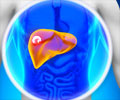
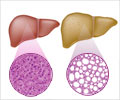
New analysis on aspirin use and liver cancer risk was conducted by a team led by investigators at the Karolinska Institutet, in Sweden, and Massachusetts General Hospital (MGH).

Low-dose Aspirin May Down the risk of Preterm Births in First-time Mothers
New clinical trial, which involved more than 11,000 women in several low- and middle-income countries, found that women taking low-dose aspirin were 11% less likely to deliver before the 37th week of pregnancy.
New clinical trial, which involved more than 11,000 women in several low- and middle-income countries, found that women taking low-dose aspirin were 11% less likely to deliver before the 37th week of pregnancy.
TOP INSIGHT

Low-dose aspirin benefits were seen regardless of sex, the severity of hepatitis, or the type of hepatitis virus. The risk of internal bleeding was not significant among users.
Read More..
Over a median follow-up of nearly 8 years, 4.0% of patients who took low-dose aspirin (less than 163mg/day) and 8.3% of nonusers of aspirin developed liver cancer. Aspirin users had a 31% lower relative risk of developing liver cancer.
Importantly, the study showed that the longer a person took low-dose aspirin, the greater the benefit. Compared with short-term use (3 months to 1 year), the risk of liver cancer was 10% lower for 1-3 years of use, 34% lower for 3-5 years of use, and 43% lower for 5 or more years of use.
Also, liver-related deaths occurred in 11.0% of aspirin users compared with 17.9% of nonusers over 10 years, for a 27% lower risk.
The benefits were seen regardless of sex, the severity of hepatitis, or the type of hepatitis virus (B or C). The risk of internal bleeding--a concern when taking aspirin long-term--was not significantly elevated among aspirin users.
The investigators noted that prospective randomized controlled trials are needed to test the benefits of aspirin for patients affected by liver disease.
 Email
Email