MEDINDIA
 English
 हिन्दी
 Español
 français
 中文
中文
New clinical trial, which involved more than 11,000 women in several low- and middle-income countries, found that women taking low-dose aspirin were 11% less likely to deliver before the 37th week of pregnancy.

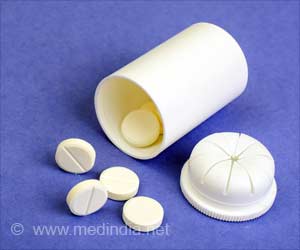
Aspirin May Reduce Colorectal Cancer Recurrence & Tumor Growth
City of Hope scientists are working to identify the right dose for aspirin to act as a prophylactic.
City of Hope scientists are working to identify the right dose for aspirin to act as a prophylactic.
TOP INSIGHT

Low-dose aspirin therapy could be a cheap way to reduce the preterm birth rate in first-time mothers.
Read More..
Preterm birth is the most common cause of infant death and the leading cause of long-term neurological disability in children. According to the study authors, advances in newborn care have improved survival for preterm infants, but this care is limited or unavailable in many parts of the world.
Earlier studies have suggested that low-dose aspirin may reduce the risk of preterm birth and preeclampsia, a potentially life-threatening blood pressure disorder of pregnancy. However, these studies were not large enough to statistically determine the therapy's effectiveness in reducing preterm birth.
The researchers enrolled 11,976 women with a first-time pregnancy from seven sites in India, Pakistan, Zambia, Democratic Republic of the Congo, Guatemala and Kenya. Roughly half were assigned at random to receive 81 milligrams of aspirin daily; the other group received a daily placebo. Women were included in the study only if they maintained a pregnancy for more than 20 weeks.
Preterm birth (before 37 weeks) occurred in 11.6% of the women who took aspirin and in 13.1% of the women who took the placebo. Similarly, birth before 34 weeks (early preterm delivery) occurred in 3.3% of the aspirin group and 4% of the placebo group (a 25% reduction).
The authors note that the low cost and safety of low-dose aspirin therapy suggest that it could be easily adapted for widescale use.
 Email
Email