MEDINDIA
 English
 हिन्दी
 Español
 français
 中文
中文
For migraine sufferers with obesity, losing weight can decrease headaches and improve quality of life.


About Migraine
Migraine is a chronic disorder characterized by headache, nausea, vomiting or sensitivity to light and sound.
Migraine is a chronic disorder characterized by headache, nausea, vomiting or sensitivity to light and sound.
TOP INSIGHT

Losing weight can help lessen the disability, improve the quality of life and reduce direct and indirect healthcare costs.
To investigate the effects of weight loss achieved through bariatric surgery or behavioral intervention on migraine frequency and severity, Pagano and his colleagues reviewed the standard online medical research databases for studies that considered pain intensity, headache frequency, attack duration, disability; and BMI, BMI change, intervention (bariatric surgery versus behavioral), and population (adult versus pediatric).
In a meta-analysis of the 473 patients in the 10 studies that met the researchers' inclusion criteria, they found that weight loss was linked with significant reductions in headache frequency, pain intensity and disability (all p<0.0001); as well as attack duration (p=0.01).

Biofeedback Treatment for Anxiety, Migraine and Blood Pressure
Biofeedback is a feedback system where changes in physiology are detected and controlled. It helps in treatment of many disorders, especially psychosomatic ones.
Biofeedback is a feedback system where changes in physiology are detected and controlled. It helps in treatment of many disorders, especially psychosomatic ones.
"Weight loss reduces the impact of conditions associated with obesity, including diabetes, hypertension, coronary heart disease, stroke and respiratory diseases," Pagano said. "Obesity and migraine are common in industrialized countries. Improving quality of life and disability for these patients will greatly impact these populations and reduce direct and indirect healthcare costs."
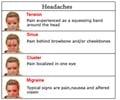
Head aches - Types - Symptoms - Migraine - Diagnosis - Treatment
A headache literally means ‘pain in the head’. It is a common complaint that may occur frequently in some
A headache literally means ‘pain in the head’. It is a common complaint that may occur frequently in some

Menstrual Migraine - Causes, Symptoms, Diagnosis, Treatment & Prevention
Menstrual migraine refers to severe headaches occurring in women two to three days before onset and during periods, and is related to hormonal fluctuations.
Menstrual migraine refers to severe headaches occurring in women two to three days before onset and during periods, and is related to hormonal fluctuations.
 Email
Email