MEDINDIA
 English
 हिन्दी
 Español
 français
 中文
中文
Localized bacterial infections are always present on our skin, in our mouth, gut and other tissues, and these are common and mostly harmless.

Natural Antibiotics to Fight Bacterial Infections
Fighting infections the natural way and preventing them is always more effective than consuming medicines and antibiotics to treat them.
Fighting infections the natural way and preventing them is always more effective than consuming medicines and antibiotics to treat them.
When the researchers look closer at the mechanisms by which the immune system is able to clear most--but not always all--of the injected bacteria, they found that macrophages, a type of immune cell that can gobble up bacteria, and specifically macrophages in the spleen, are the main contributors to an efficient immune response. If bacteria survive that initial counter-attack by the host, a single founder bacterium multiplies and re-enters the bloodstream, where its descendants come under strong selective pressure that dynamically shapes the bacterial population, and thus causes the sepsis.
The researchers conclude "Although selective pressure generates diversity in bacterial populations during infection, invasive disease starts from a single founding cell which escapes initial immune clearance; a paradigm predicted to apply also to human systemic infections."

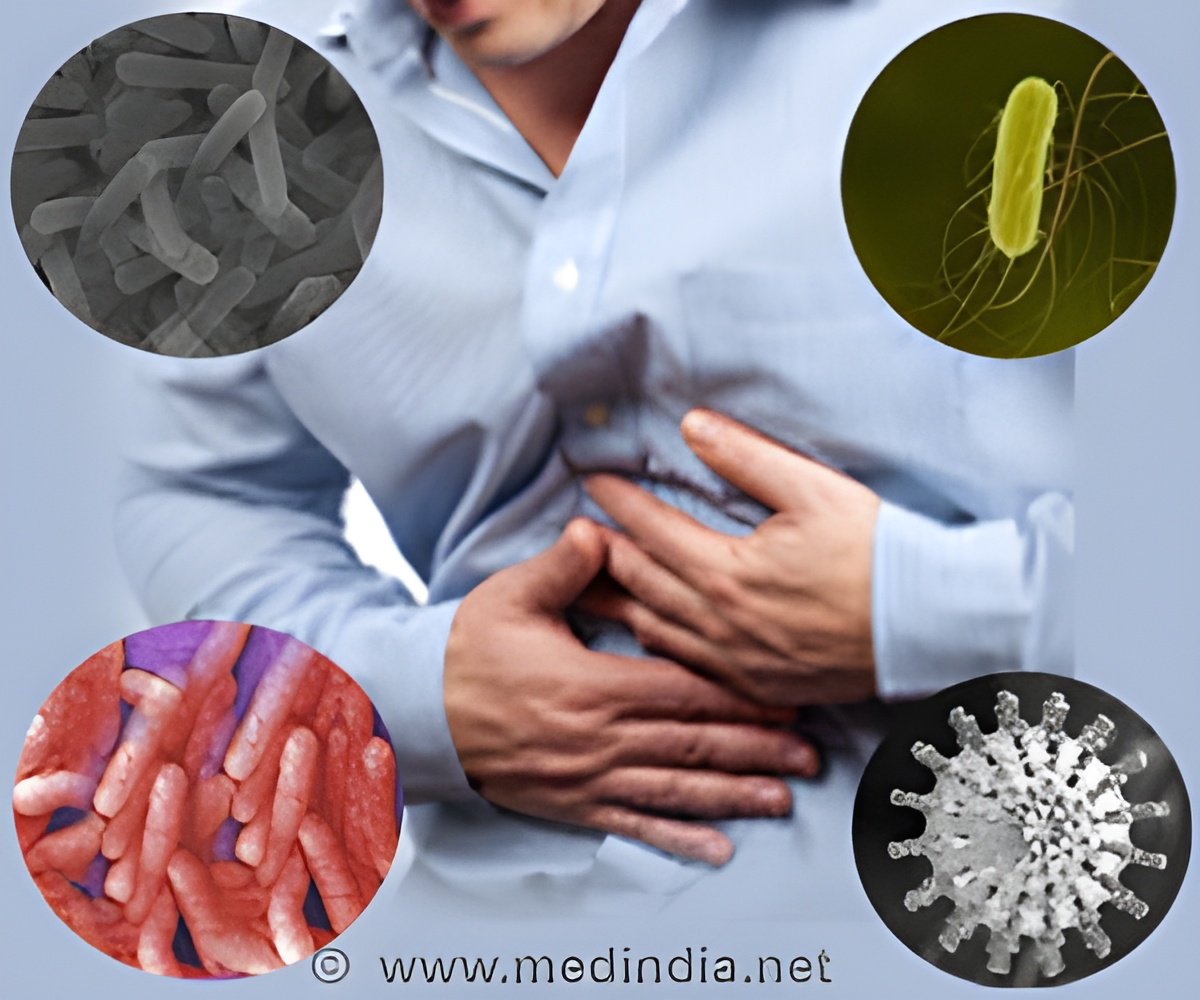
Diagnosis, Treatment and Prophylaxis of Acute Bacterial Peritonitis in Adults
Untreated acute bacterial peritonitis could be life threatening resulting in sepsis and end-organ damage; therefore, prompt treatment is recommended.
Untreated acute bacterial peritonitis could be life threatening resulting in sepsis and end-organ damage; therefore, prompt treatment is recommended.

Gut Bacteria Can Cause Heart Attacks : Cleveland Study
Scientists at Cleveland Clinic discover a strong relationship between gut bacteria and the prevalence of heart attacks.
Scientists at Cleveland Clinic discover a strong relationship between gut bacteria and the prevalence of heart attacks.

Foods That Stain your Teeth
Want to get whiter teeth? Food with high acid content and stains like cola, tea and sauces can make your teeth look yellow. Check this list to keep your pearly whites healthy and attractive.
Want to get whiter teeth? Food with high acid content and stains like cola, tea and sauces can make your teeth look yellow. Check this list to keep your pearly whites healthy and attractive.
 Email
Email