MEDINDIA
 English
 हिन्दी
 Español
 français
 中文
中文
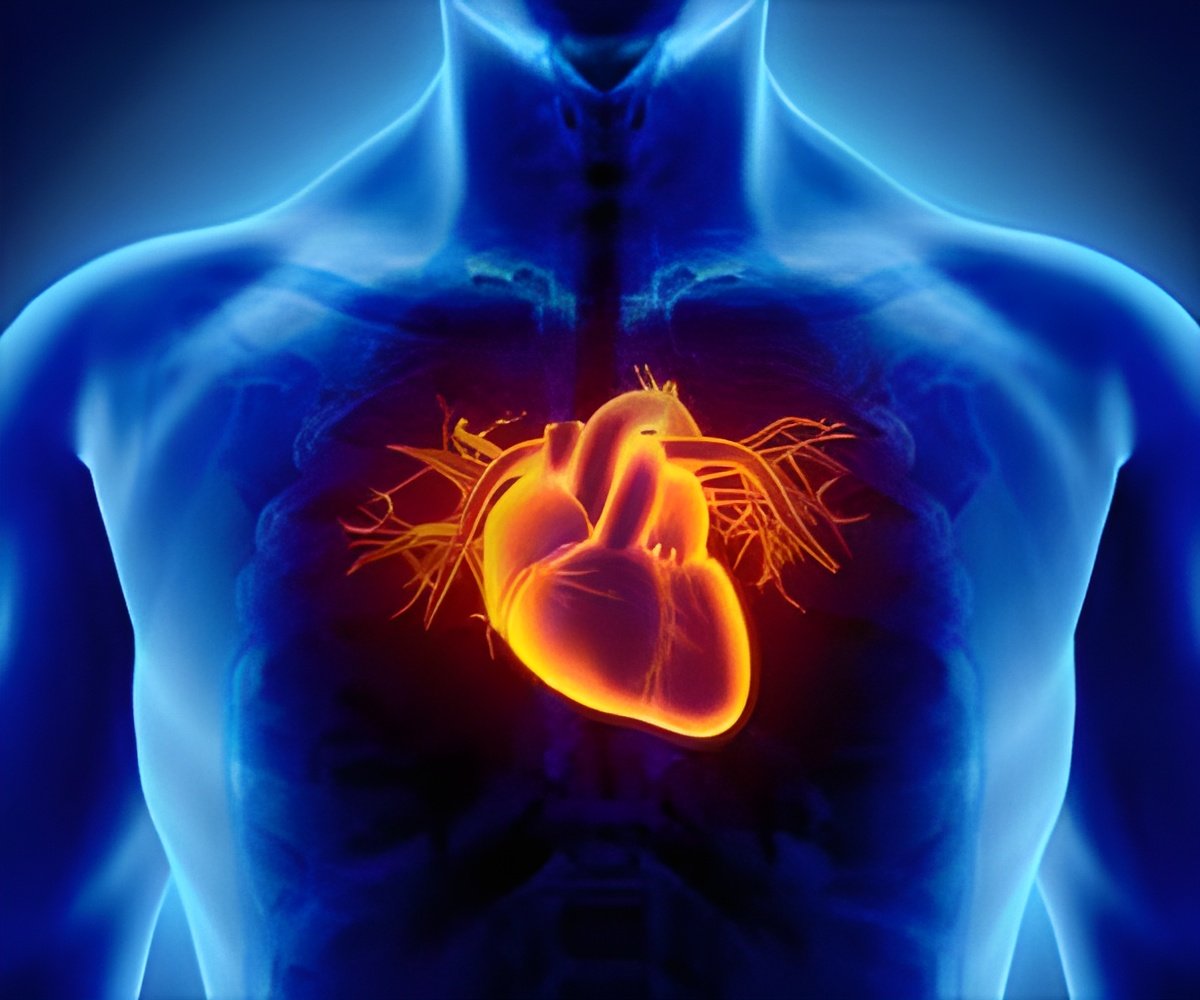
The inflammation associated with obesity worsens the impairment of 'bad cholesterol,' increasing the chances of experiencing heart disease conditions.
LDL binding to cell receptors and extracellular matrix is proatherogenic in obesity but improves after bariatric surgery
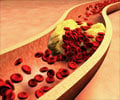
Go to source) Obesity is a public health problem worldwide that affects a large section and often involves hyperlipidemia (high concentrations of fats/lipids in the blood), diabetes, hypertension, chronic inflammation and oxidative stress, which increase susceptibility to cardiovascular diseases (CVD). Low-density lipoprotein (LDL) is a nanoparticle that transports cholesterol in blood. While cholesterol is essential for normal cellular function, excess cholesterol can, however, deposit in arteries causing CVD, and hence LDL cholesterol is dubbed “bad cholesterol”.
Obesity-Associated Inflammation Impairs LDL Quality
The study, published in the Journal of Lipid Research, showed that in obesity, it is not the quantity but the quality of LDL that contributes to disease becoming worse due to obesity-associated inflammation. "As a result, cholesterol delivery is shifted from normal to abnormal, so more cholesterol is retained in the arterial wall, ultimately forming plaques that occlude the blood flow," said Shobini Jayaraman, corresponding author, a senior research scientist in pharmacology, physiology and biophysics at Boston University, US.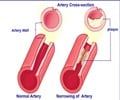
Cholesterol
Cholesterol is produced by the body (liver) and is essential for normal body functioning.
Cholesterol is produced by the body (liver) and is essential for normal body functioning.
TOP INSIGHT

As a patient's weight returns to normal, the quality of LDL improves, indicating a continued reduction in the risk of cardiovascular disease. #badcholesterol #hearthealth #obesity
"This aberrant behavior stemmed from alterations in LDL biochemical composition induced by obesity-associated inflammation. These harmful changes contributed to increased risk of CVD in patients with obesity," added Jayaraman. “This is promising not only for patients undergoing bariatric surgery but perhaps for many others who are overweight or obese and use various approaches to weight loss," said Olga Gursky, Professor of pharmacology, physiology and biophysics at the varsity’s School of Medicine.
Reference:
- LDL binding to cell receptors and extracellular matrix is proatherogenic in obesity but improves after bariatric surgery - (https://linkinghub.elsevier.com/retrieve/pii/S0022227523001244)

Quiz on Obesity
“We are indeed much more than what we eat, but what we eat can nevertheless help us to be much more than what we are”. - Adelle Davis There are thousands out there battling ‘the bulge’. With childhood obesity on the rise ...
“We are indeed much more than what we eat, but what we eat can nevertheless help us to be much more than what we are”. - Adelle Davis There are thousands out there battling ‘the bulge’. With childhood obesity on the rise ...


Foods to Lower Cholesterol and Heart Disease
Heart diseases are the most common and threatening disease today. It has takes millions of lives all over the world each year and the death count is not going down. Here are tips to a healthy heart.
Heart diseases are the most common and threatening disease today. It has takes millions of lives all over the world each year and the death count is not going down. Here are tips to a healthy heart.
 Email
Email