MEDINDIA
 English
 हिन्दी
 Español
 français
 中文
中文
The new study identified signs of gum disease in ancient skeletons from the bacterial genomes preserved in the dental calculus and compared them to their equivalents in modern samples.

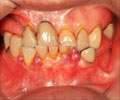
Periodontitis| Gingivitis - Causes Risk Factors Symptoms Diagnosis Treatment
Periodontitis or pyorrhea is infection and inflammation of ligament tissues that surround and support the teeth. Periodontitis causes loss of alveolar bones leading to loosening and loss of teeth.
Periodontitis or pyorrhea is infection and inflammation of ligament tissues that surround and support the teeth. Periodontitis causes loss of alveolar bones leading to loosening and loss of teeth.
TOP INSIGHT

The bacterial species that appear to be the main pathogens responsible for periodontal disease in Edo-era Tokyo were different from the modern era despite a similar prevalence rate.
Study first author Takahiko Shiba explains, “Previously, teeth would need to be extracted from the jawbone to determine the root length and quantify bone loss as an indicator of gum disease. However, with advancements in micro-computed tomography technology, we were able to accurately quantify bone loss without removing teeth from the skeletons.”
Unexpectedly, researchers detected gum disease in 5 of the 12 Edo-era skeletons (42%), thus the prevalence of gum disease among individuals in the Edo era appears to have been similar to that in the modern era; 37.3% of Japanese people in their forties were found to suffer from gum disease in 2005.

Good Oral Hygiene Helps Reduce COVID-19 Severity
Simple oral hygiene measures could reduce the risk of coronavirus transmission from the mouth to the lungs and help prevent instances of COVID-19.
Simple oral hygiene measures could reduce the risk of coronavirus transmission from the mouth to the lungs and help prevent instances of COVID-19.
This shows that the study also sheds new light on the evolution of the oral microbiome and gum disease pathogenesis.

Oral Care Tips for Aging Teeth
Good oral hygiene habits should be maintained as you age so as to prevent oral health problems and to have a healthy smile that looks great even during old age.
Good oral hygiene habits should be maintained as you age so as to prevent oral health problems and to have a healthy smile that looks great even during old age.
Source-Medindia

Gum Disease may Increase Risk of Hypertension
Periodontitis or gum disease is a common condition that increases the risk of hypertension and consequently, increases the risk of heart attack and stroke.
Periodontitis or gum disease is a common condition that increases the risk of hypertension and consequently, increases the risk of heart attack and stroke.
 Email
Email