MEDINDIA
 English
 हिन्दी
 Español
 français
 中文
中文
Researchers reveal that people who travel around the globe might harbor some novel deadly strains of antibiotic-resistant microbes. At least 2.8 million people get an antibiotic-resistant infection each year in the U.S., as per CDC reports.
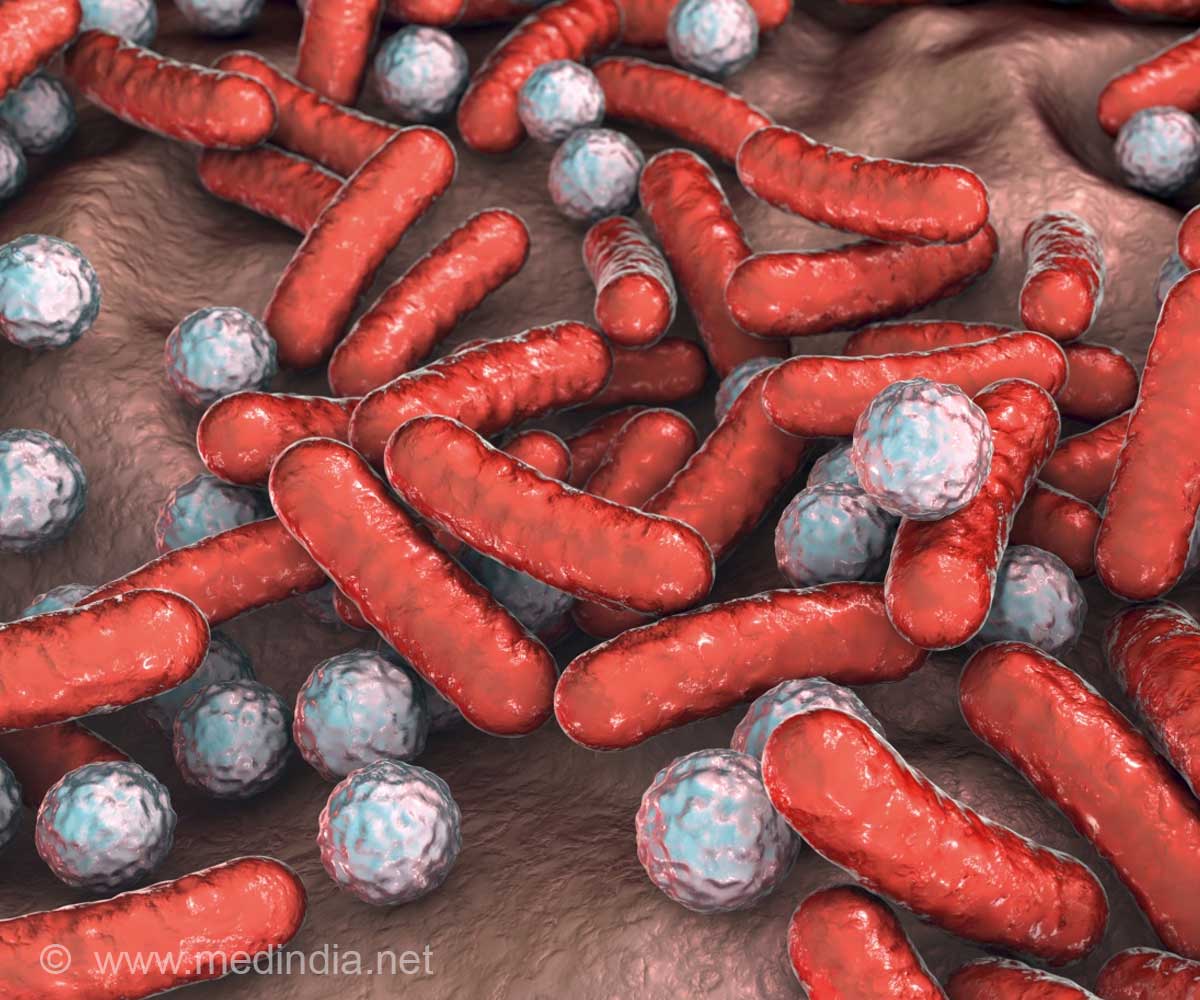
Drug Resistance – Antibiotic or Antimicrobial Resistance
Drug resistance is often a problem in malaria, tuberculosis, HIV, sexually transmitted diseases and hospital acquired diseases. Judicious use of antibiotics can control the problem.
Drug resistance is often a problem in malaria, tuberculosis, HIV, sexually transmitted diseases and hospital acquired diseases. Judicious use of antibiotics can control the problem.
TOP INSIGHT

A total of 56 antimicrobial-resistant bacteria were found in the guts of travellers after their international trip.
The team observed 2000 Dutch travellers who travelled to one of four international regions where the prevalence of resistance genes is high: South-eastern Asia, South Asia, North Africa, and Eastern Africa in a study called Carriage Of Multi-resistant Bacteria After Travel (COMBAT). Faecal samples of the travellers were analysed both before and after travel.
The new study team included John Penders, a medical microbiologist at Maastricht University, and Gautam Dantas, Ph.D., a professor of pathology & immunology at Washington University; Manish Boolchandani, Ph.D., a member of the Dantas Lab during the research, and a 2020 graduate of the university's doctoral program in Computational and Systems Biology. It was conducted at Maastricht University in the Netherlands.
Probiotics Help Reduce Antibiotic Resistance in Infants
A novel approach identified can reduce the number of genes that resist antibiotics in children with probiotic supplementation, which is a safe and non-invasive method.
A novel approach identified can reduce the number of genes that resist antibiotics in children with probiotic supplementation, which is a safe and non-invasive method.
It is essential to know that the mcr-1 genes protect bacteria from an antibiotic called colistin. If these genes get transmitted to other bacteria that are already resistant to most antibiotics, there could be an emergence of untreatable severe bacterial infections.
A Way To Reverse Antibiotic Resistance Discovered
Resistance to antibiotics may be reversed by developing chemicals to inhibit beta-lactamase enzymes, a new discovery claimed.
Resistance to antibiotics may be reversed by developing chemicals to inhibit beta-lactamase enzymes, a new discovery claimed.
Many factors, including poor sanitation, made low-income countries a hub for microbial diseases. This study throws light on the significance of precautionary measures to be taken by international travellers to cut down the transfer of novel deadly bacteria when they reach back to their country.
Test your Knowledge on Antibiotic Resistance
Antibiotic resistance is a growing public health concern that has reached gigantic proportions. Antibiotic resistance is a change that occurs in bacteria when they are exposed to antibiotics used to treat infections caused by them. This change makes the antibiotics ineffective and the antibiotic-resistant bacteria become “superbugs”.
Antibiotic resistance is a growing public health concern that has reached gigantic proportions. Antibiotic resistance is a change that occurs in bacteria when they are exposed to antibiotics used to treat infections caused by them. This change makes the antibiotics ineffective and the antibiotic-resistant bacteria become “superbugs”.
 Email
Email