MEDINDIA
 English
 हिन्दी
 Español
 français
 中文
中文
Suppressing the immune response might be an approach to treating the syndrome, which causes weakness, tingling, and, in rare cases, paralysis.
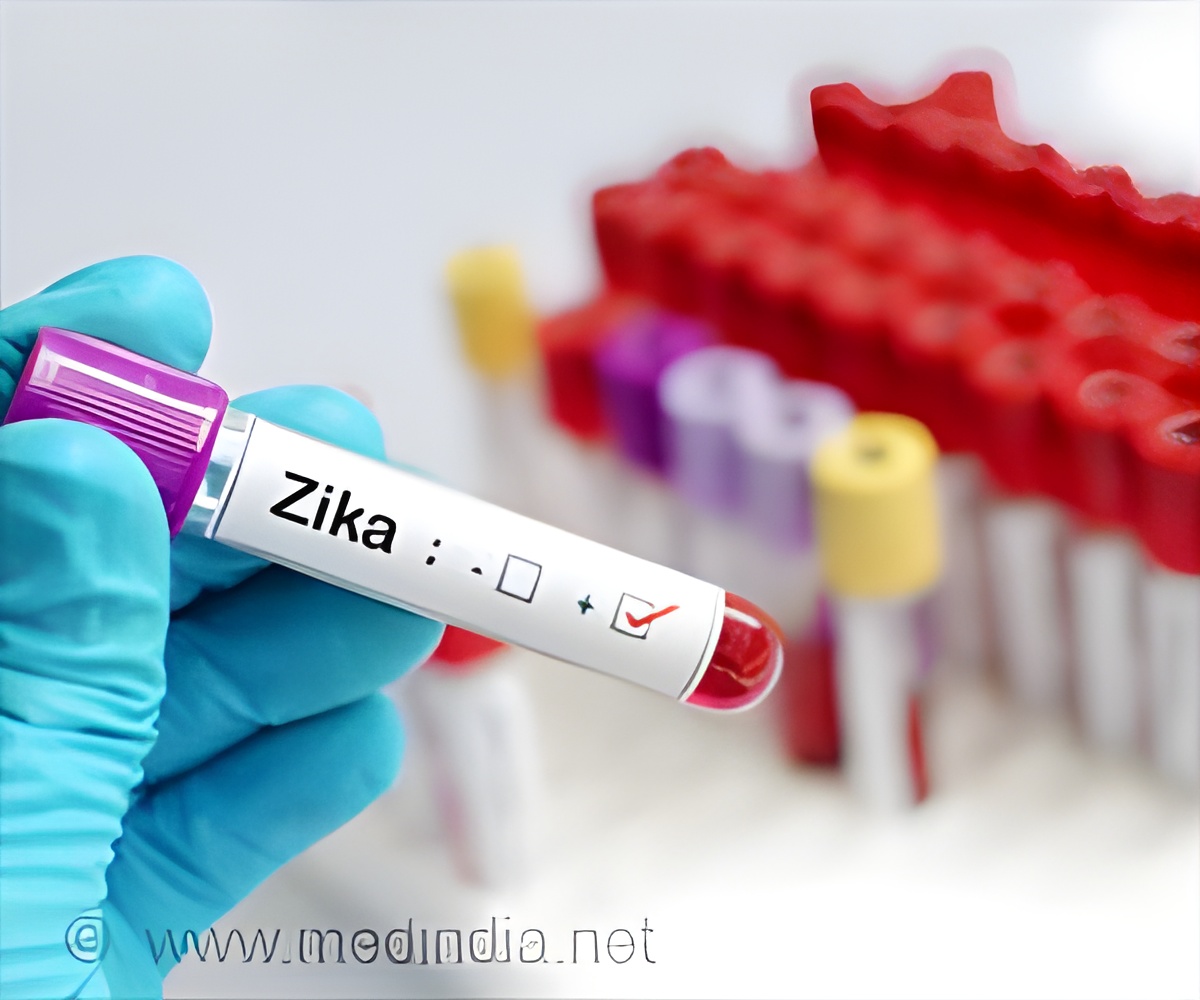
Zika Virus Infection Associated With Guillain-Barr� Syndrome
Guillain-Barré syndrome is an uncommon autoimmune disorder characterized by progressive weakness and diminished deep tendon reflexes.
Guillain-Barré syndrome is an uncommon autoimmune disorder characterized by progressive weakness and diminished deep tendon reflexes.
TOP INSIGHT

Zika can cause microcephaly and other problems in babies whose mothers were infected while pregnant. The damage is not occurring through the virus infection, but rather the immune response to the virus.
In mice models lacking a key antiviral response, infection with Zika virus causes paralysis and death. To understand the mechanism, a research team led by immunobiologist Akiko Iwasaki examined the spread of infection in these mice.
The research team found that when the Zika infection spreads from the circulating blood into the brain, immune cells known as CD8 T cells flood the brain. While these T cells sharply limit the infection of nerve cells, they also trigger Zika-related paralysis, the researchers said.

Cocktail of Monoclonal Antibodies Prevents Zika Virus Infection
A mixture of three potent monoclonal antibodies were completely able to block Zika virus infection in laboratory primates.
A mixture of three potent monoclonal antibodies were completely able to block Zika virus infection in laboratory primates.
Immune-mediated nerve damage underlies Guillen-Barré syndrome, which affects some people infected with the Zika virus. The study findings suggest that suppressing the immune response might be an approach to treating the syndrome, which causes weakness, tingling, and, in rare cases, paralysis.

Why Zika Virus Outbreak in the American Continent was More Dangerous?
The strain of Zika virus that resulted in an outbreak in the US found to have a sugar in the protein coat that other stains did not have, making it more dangerous.
The strain of Zika virus that resulted in an outbreak in the US found to have a sugar in the protein coat that other stains did not have, making it more dangerous.
Infants Exposed to Zika Virus Infection in Pregnancy Should Have Eyes Examined
Eye abnormalities in infants from Brazil born to mothers with confirmed Zika virus infection in pregnancy are described in an article published by JAMA Pediatrics.
Eye abnormalities in infants from Brazil born to mothers with confirmed Zika virus infection in pregnancy are described in an article published by JAMA Pediatrics.
 Email
Email