MEDINDIA
 English
 हिन्दी
 Español
 français
 中文
中文
A research team led by St. Jude Children's Research Hospital scientists has identified a potential new target for treatment of the childhood eye tumor retinoblastoma. Their work also
Potential New Treatment for Eye Tumor Discovered
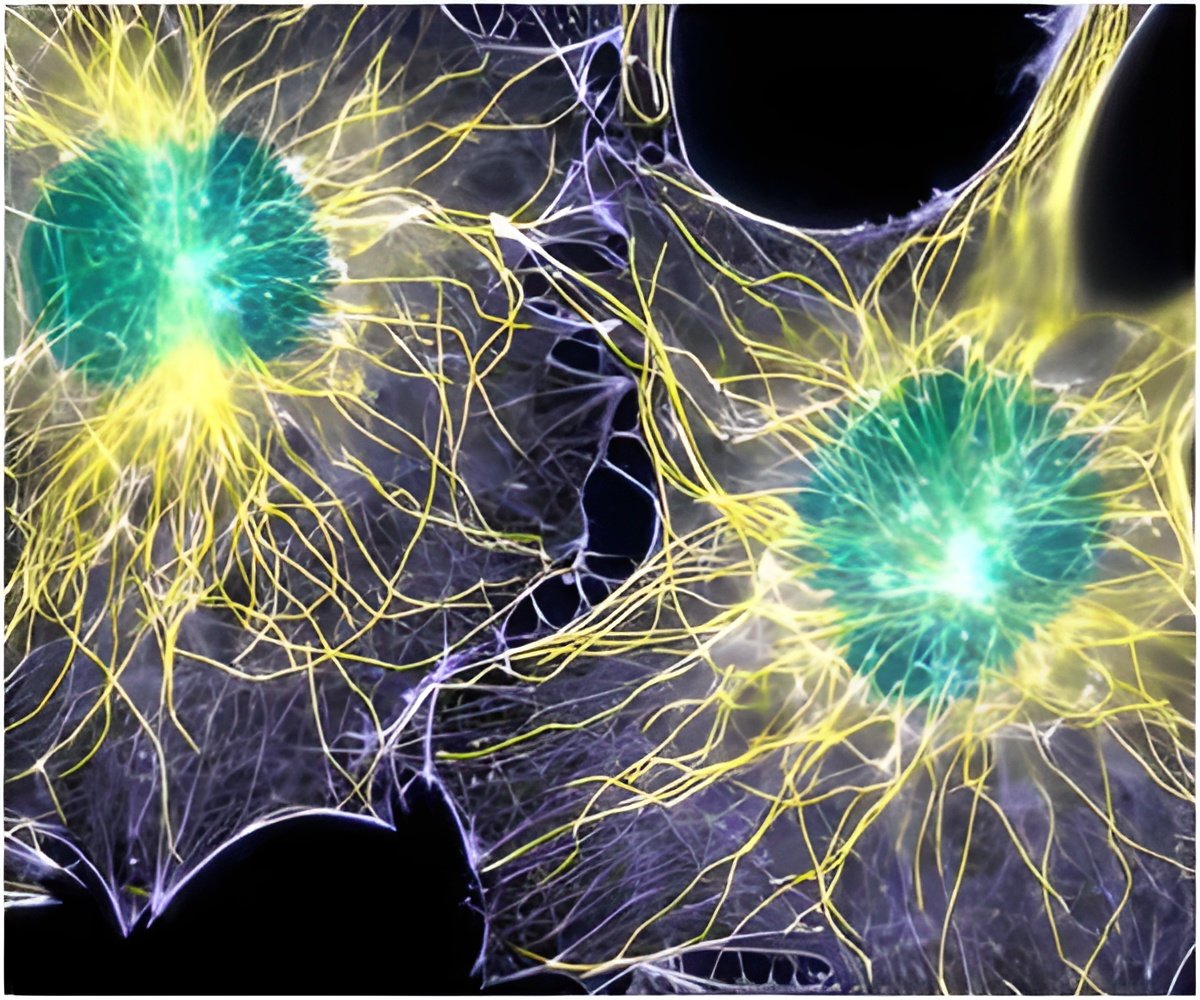
New research demonstrates that a specific small segment of RNA could play a key role in the growth of a type of malignant childhood eye tumor called retinoblastoma.
New research demonstrates that a specific small segment of RNA could play a key role in the growth of a type of malignant childhood eye tumor called retinoblastoma.
The research provides additional insight into this rare tumor of the retina and is expected to advance understanding of retinoblastoma as well as aid development of more targeted therapies, said Michael Dyer, Ph.D., a member of the St. Jude Department of Developmental Neurobiology and the study's senior author. Justina McEvoy, Ph.D., and Jacqueline Flores-Otero, Ph.D., are co-first authors of the study and postdoctoral fellows in Dyer's laboratory.
Retinoblastoma is a tumor of the retina, which is the light-sensing membrane at the back of the eye. The tumor is found in about 5,000 individuals worldwide each year, mostly infants and toddlers. Although cure rates exceed 95 percent for patients whose cancer is contained in the eye, the prognosis is bleak if the tumor has spread.
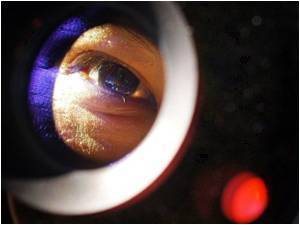
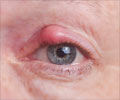
Cancerous Eye Tumor Revealed in Holiday Snap
Ewan Border is a lucky toddler after his life was probably saved when a cancerous tumour in his right eye was spotted in a holiday photograph.
Ewan Border is a lucky toddler after his life was probably saved when a cancerous tumour in his right eye was spotted in a holiday photograph.
For this study, researchers took a comprehensive, unbiased approach to the search that included molecular, cellular and chemical analyses of tumor cells. Dyer and his colleagues reported that retinoblastoma tumors in both humans and mice include features from several different types of cells in the retina. The list includes cells called amacrine and horizontal interneurons, retinal progenitor cells and photoreceptors.

Unemployment Risk In Adulthood Higher For Childhood Cancer Survivors In Poor Health
Childhood cancer survivors with poor physical health and neurocognitive deficits are more likely to be unemployed or work part-time in adulthood, according to a study
Childhood cancer survivors with poor physical health and neurocognitive deficits are more likely to be unemployed or work part-time in adulthood, according to a study
Screening data are now available at no cost for use by other scientists at http://www.ncbi.nlm.nih.gov/geo/query/acc.cgi?acc=GSE29686, "The finding that normal developmental programs are completely deregulated in this tumor is surprising and unexpected. It could also have therapeutic implications," Dyer said.
Adult Tumor Risk Higher in Childhood Cancer Survivors
In the largest study yet, it was found that childhood cancer survivors are at a high risk of developing new tumours as they age.
In the largest study yet, it was found that childhood cancer survivors are at a high risk of developing new tumours as they age.
Scientists went on to show that blocking chemicals called monoamine neurotransmitters, which nerve cells normally use for communication, reduced growth in human retinoblastoma cells growing both in the laboratory and the eyes of mice. Dyer said the drugs used in this study, the anti-psychotic agents fluphenazine and chlorpromazine, better known as Thorazine, are unlikely to be used for treatment of retinoblastoma, but offer a starting point for future drug development.
The research also demonstrated that tumors transplanted directly from a patient into the same location in the eye of a mouse retained characteristics of the human tumor. The findings strengthen use of this approach for screening drugs for possible use against human cancers.
Source-Eurekalert
 Email
Email