MEDINDIA
 English
 हिन्दी
 Español
 français
 中文
中文
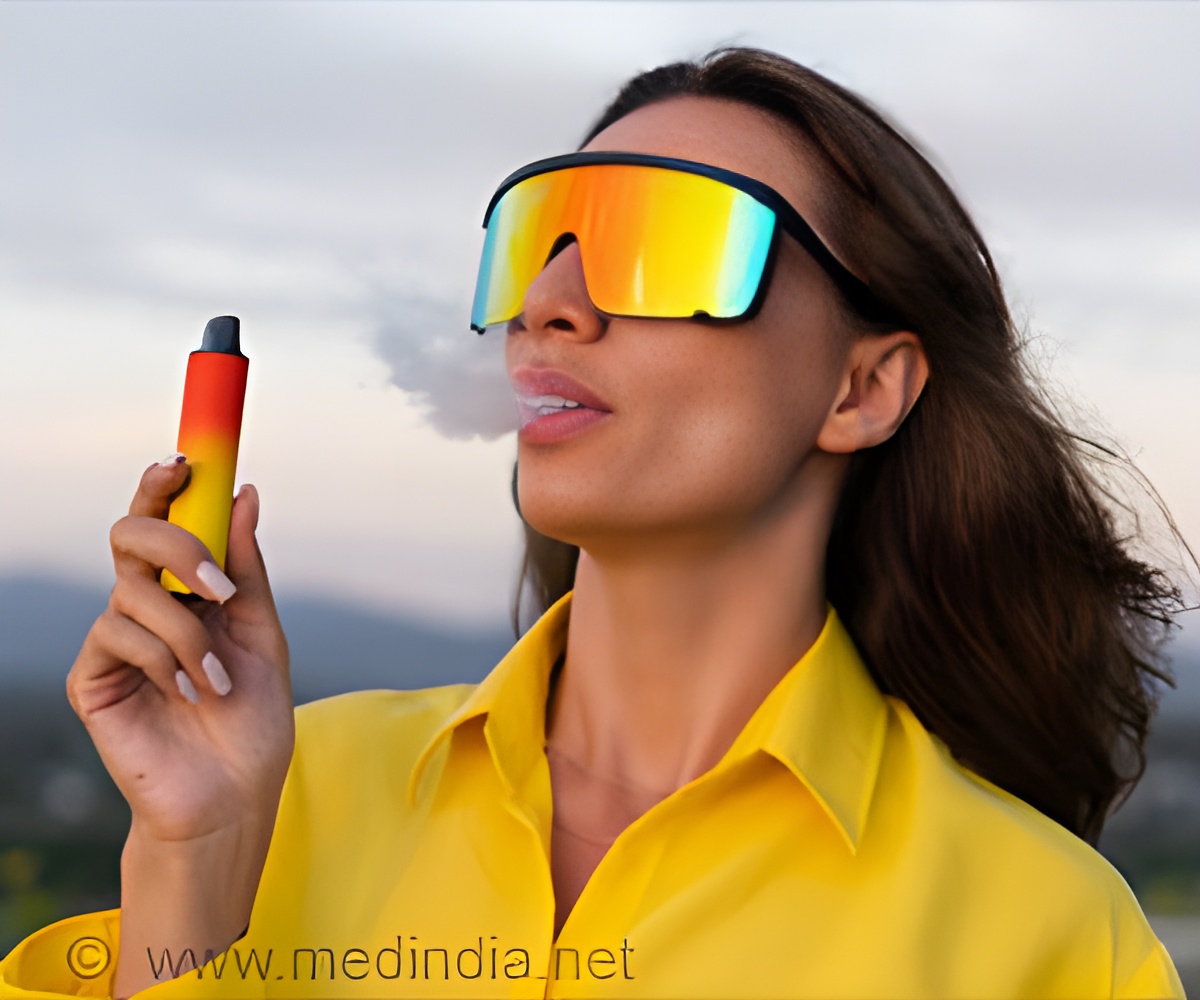
Popular e-cigarette flavors like vanilla and cherry may increase adolescent vaping risks, even without nicotine present.
Impact of chemical flavorants on reinforcement-related behavior in an adolescent mouse model of vaping self-administration
Go to source). The findings, published in the Journal of Pharmacology and Experimental Therapeutics, come from a preclinical study showing that popular flavors like vanilla and cherry can trigger reinforcement-related behaviors comparable to those seen with nicotine exposure. This effect was especially pronounced in adolescents, suggesting that flavorings alone may play a significant role in promoting vaping habits.
All You Need to Know About E-cigarettes
E- cigarettes, a new device to counter the disease burden of tobacco smoking.
E- cigarettes, a new device to counter the disease burden of tobacco smoking.
TOP INSIGHT

Ever wonder if #vape flavors do more than just taste good? Green apple & vanilla flavor compounds can actually tinker with nAChRs – key proteins in #nicotine_addiction! #Vaping #ECigarettes
Vanillin and Benzaldehyde: Driving Active Responses in Adolescent Vape Models
Researchers tested the effects of flavored vapor—including combinations with and without nicotine—on male and female adolescent mice. The study employed the e-Vape® self-administration (EVSA) assay, a novel behavioral model that allows mice to voluntarily inhale flavored aerosols. Mice exposed to vanillin or benzaldehyde demonstrated significantly more active responses compared to controls, despite the absence of nicotine.Four flavor-nicotine combinations showed increased reinforcement-related behaviors: nicotine with menthol, cherry or vanilla, as well as vanilla flavor alone. Even in the absence of nicotine, vanilla-flavored vapor alone was sufficient to trigger behavior indicative of reward-seeking, while cherry flavor alone was not.
“These findings are significant because they demonstrate that some electronic nicotine delivery systems (ENDS) flavors can modulate the brain’s dopamine system—specifically in the nucleus accumbens, a key reward center—even without nicotine present,” said lead investigator Brandon J. Henderson, Ph.D., associate professor of biomedical sciences at the Joan C. Edwards School of Medicine. “This raises important questions about the potential for addiction-like behaviors in adolescents who use flavored vape products marketed as nicotine-free.”
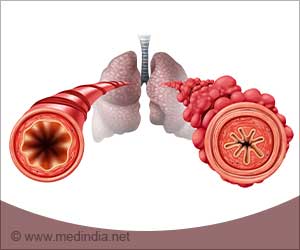
Vapers Beware: Exploring the Threat of Popcorn Lung
Do you vape? Learn about the risks of popcorn lung, a vaping-related condition. Stay informed to safeguard your lung health.
Do you vape? Learn about the risks of popcorn lung, a vaping-related condition. Stay informed to safeguard your lung health.
Reference:
- Impact of chemical flavorants on reinforcement-related behavior in an adolescent mouse model of vaping self-administration - (https://jpet.aspetjournals.org/article/S0022-3565(25)39864-2/fulltext)
Source-Eurekalert

The Vape Talk : Aid to Quit Smoking or Roadway to Addiction?
Vaping is considered the safer alternative to smoking, but is it entirely safe?
Vaping is considered the safer alternative to smoking, but is it entirely safe?

Quiz on Addiction
Addiction is a condition that involves a compulsive engagement in a particular stimulus that gives pleasure, despite being aware of its possible adverse effects. The stimulus that the person is addictive generally activates the brain’s reward ...
Addiction is a condition that involves a compulsive engagement in a particular stimulus that gives pleasure, despite being aware of its possible adverse effects. The stimulus that the person is addictive generally activates the brain’s reward ...
 Email
Email