MEDINDIA
 English
 हिन्दी
 Español
 français
 中文
中文
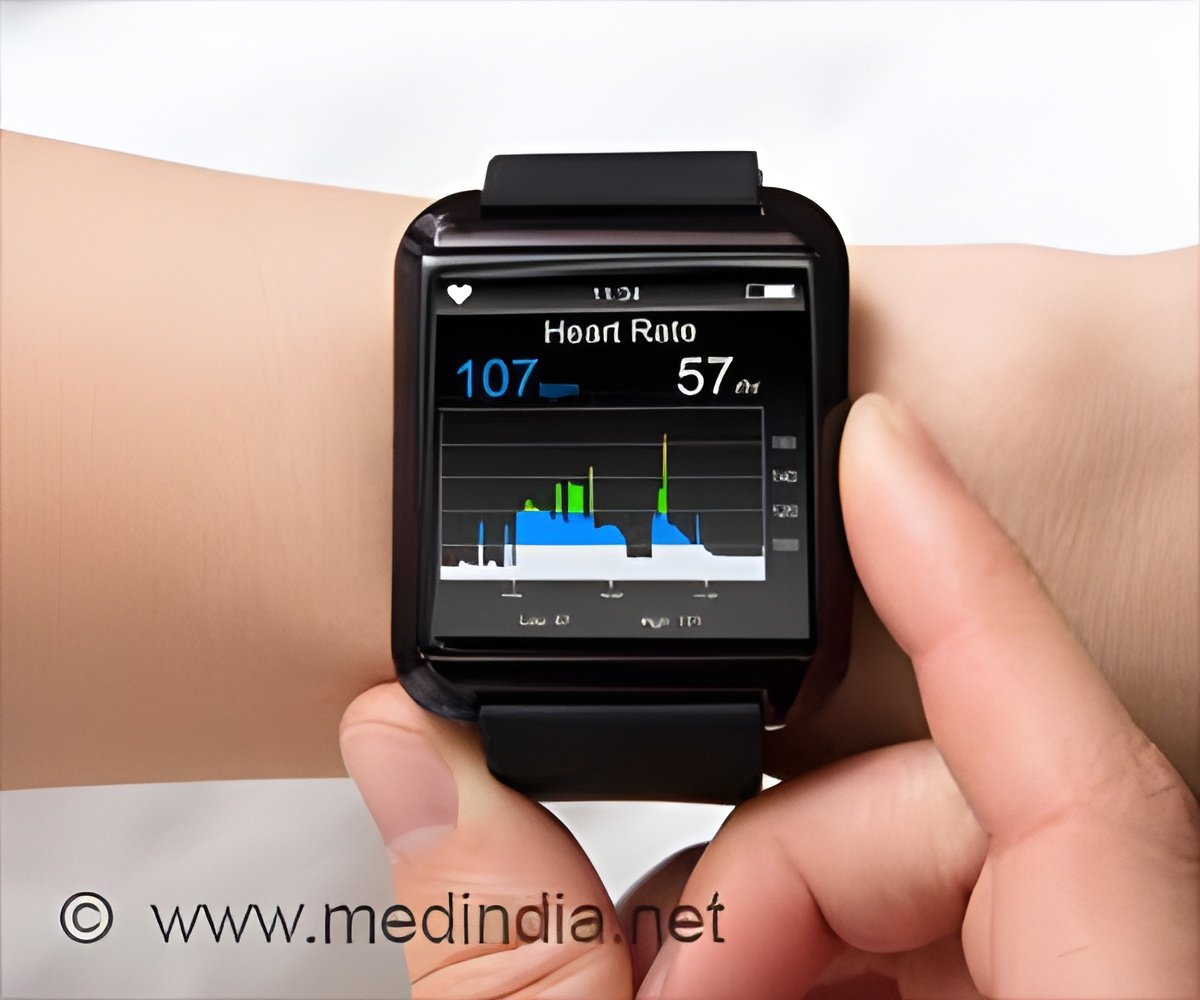
Studies suggest that devices like smartwatches are less effective at tracking heart rate in people with darker skin tones than those with lighter skin tones.
TOP INSIGHT

Studies suggest that devices like smartwatches are less effective at tracking heart rate in people with darker skin tones than those with lighter skin tones.
After screening 622 scientific documents, the researchers identified 10 studies that reported heart rate and rhythm data for consumer wearable technology based on participant's race or skin tone. Of those studies, four studies found that heart rate measurements were significantly less accurate in dark-skinned individuals compared to the measurements of verified devices such as lighter-colored individuals or chest strap monitors or electrocardiograms. While there is no difference in the accuracy of heart rate, one study suggests that wearable devices recorded significantly lower data points for those with darker skin.
Most wearables detect the heartbeat and rhythm and target a beam of light on the wrist, which then detects how much light is being absorbed. Excessive light absorption indicates excessive blood flow through the veins under the skin. Study results show that this signaling process does not work on dark skin that is high in light-absorbing melanin.
With the increasing use of consumer wearable items to monitor physical activity and sleep patterns, there has been a growing interest in recent years in the use of these for medical research and for early detection of heart problems.
“There are a lot of claims that these devices can detect heart rhythm issues like tachycardia, bradycardia and even atrial fibrillation,” Koerber said. “We want to be able to inform health care providers about whether these are reliable sources for collecting data in all patients, regardless of skin tone.”
“It is important to explore alternative options to make sure we can create a more equitable solution in health care and not just in the consumer industry,” Koerber said. "For example, there is some evidence to suggest that certain wavelengths of light, particularly green light, are more accurate in people across all skin tones," he said.
Source-Medindia
 Email
Email