MEDINDIA
 English
 हिन्दी
 Español
 français
 中文
中文
A study of 10,431 non-smokers reveals a 42% prevalence of lung nodules, raising concerns about current follow-up guidelines and the need for reassessment in low-risk groups.

Lung Nodules Seen in a High Percentage of Non-Smokers
Go to source).
Lung Nodules Detected in Non-Smokers
Incidental lung nodules are often detected on chest CT scans, and in high-risk groups, they can signal early-stage lung cancer. However, most research on lung nodule prevalence and size has been based on studies of heavy smokers, leading to management recommendations designed for this population. Consequently, current guidelines may result in unnecessary follow-up examinations for low-risk individuals with incidental pulmonary nodules.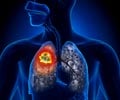
Lung Cancer
Lung cancer is a malignant tumor in the lung tissues. Smoking is the main cause of lung cancer with symptoms like recurrent respiratory diseases.
Lung cancer is a malignant tumor in the lung tissues. Smoking is the main cause of lung cancer with symptoms like recurrent respiratory diseases.
TOP INSIGHT

Clinically relevant lung nodules found in 11.1% of non-smokers, suggesting revised guidelines may be needed. #lunghealth #medindia
The study included 10,431 never- or former smokers aged 45 and over from the Imaging in LifeLines (ImaLife) study, the first population-based imaging study designed to establish the reference values of imaging biomarkers for early stages of coronary artery disease, lung cancer and chronic obstructive pulmonary disease in a general population of mostly non-smokers. Of the participants in the current study, 56.6% were women (median age 60.4 years), 46.1% were never smokers and 53.9% were former smokers.
“By including a large cohort of non-smoking men and women aged 45 years and above, this research offers insights into the prevalence and characteristics of lung nodules in a population group that has not been studied before,” Dr. Vliegenthart said.

Obstructive Sleep Apnea May Increase Risk of Lung Cancer Recurrence
How does sleep apnea affect lung cancer recurrence risk? It can increase the risk of lung cancer recurrence within two years.
How does sleep apnea affect lung cancer recurrence risk? It can increase the risk of lung cancer recurrence within two years.
High Prevalence of Lung Nodules Found in Non-Smokers Spurs Reevaluation of Follow-Up Guidelines
At least one lung nodule was found in 4,377 (42.0%) of the participants (47.5% of men; 37.7% of women). The prevalence of lung nodules increased with age. Clinically relevant lung nodules (nodules measuring 6 to 8 mm) were present in 11.1% of participants, with the prevalence again increasing with age. Men were more likely than women to have lung nodules, and men were more likely than women to have multiple nodules.
HPV Infection May Up Vocal-cord Cancers among Young Nonsmokers
Human papillomavirus (HPV) infection may hide behind the rise in vocal-cord cancers among young non-smokers, reveals a new study.
Human papillomavirus (HPV) infection may hide behind the rise in vocal-cord cancers among young non-smokers, reveals a new study.
In recent years, the proportion of smoking individuals in Western populations has been declining due to the success of smoking cessation programs, Dr. Vliegenthart noted.

Secondhand Smoke Increases Risk of Heart Disease in Female Nonsmokers
Secondhand smoke ups the risk of heart disease in a group of female nonsmokers, finds study.
Secondhand smoke ups the risk of heart disease in a group of female nonsmokers, finds study.
The results imply that, given the increasing numbers of chest CT scans for various clinical indications, these incidental nodules will increase the number of follow-up scans and workups when using current nodule follow-up guidelines. As the patients are followed in the LifeLines cohort over time, we can gather more data to determine if lower risk patient population may need altered follow-up management.
“We know that the incidence of lung cancer in this population (LifeLines cohort), is very low (0.3%), suggesting that most of the clinically relevant and even actionable nodules in a non-smoking cohort are benign,” Dr. Vliegenthart said. “Future data on lung cancer diagnosis in ImaLife participants with clinically relevant and actionable nodules may help to optimize nodule management recommendations for individuals considered at low risk.”
Reference:
- Lung Nodules Seen in a High Percentage of Non-Smokers - (https://www.rsna.org/news/2024/august/lung-nodules-in-non-smokers)
Source-Eurekalert
 Email
Email