MEDINDIA
 English
 हिन्दी
 Español
 français
 中文
中文
Patients with the highest variability in their blood sugar control are more than twice as likely to die as those with the most stable blood sugar measurements.
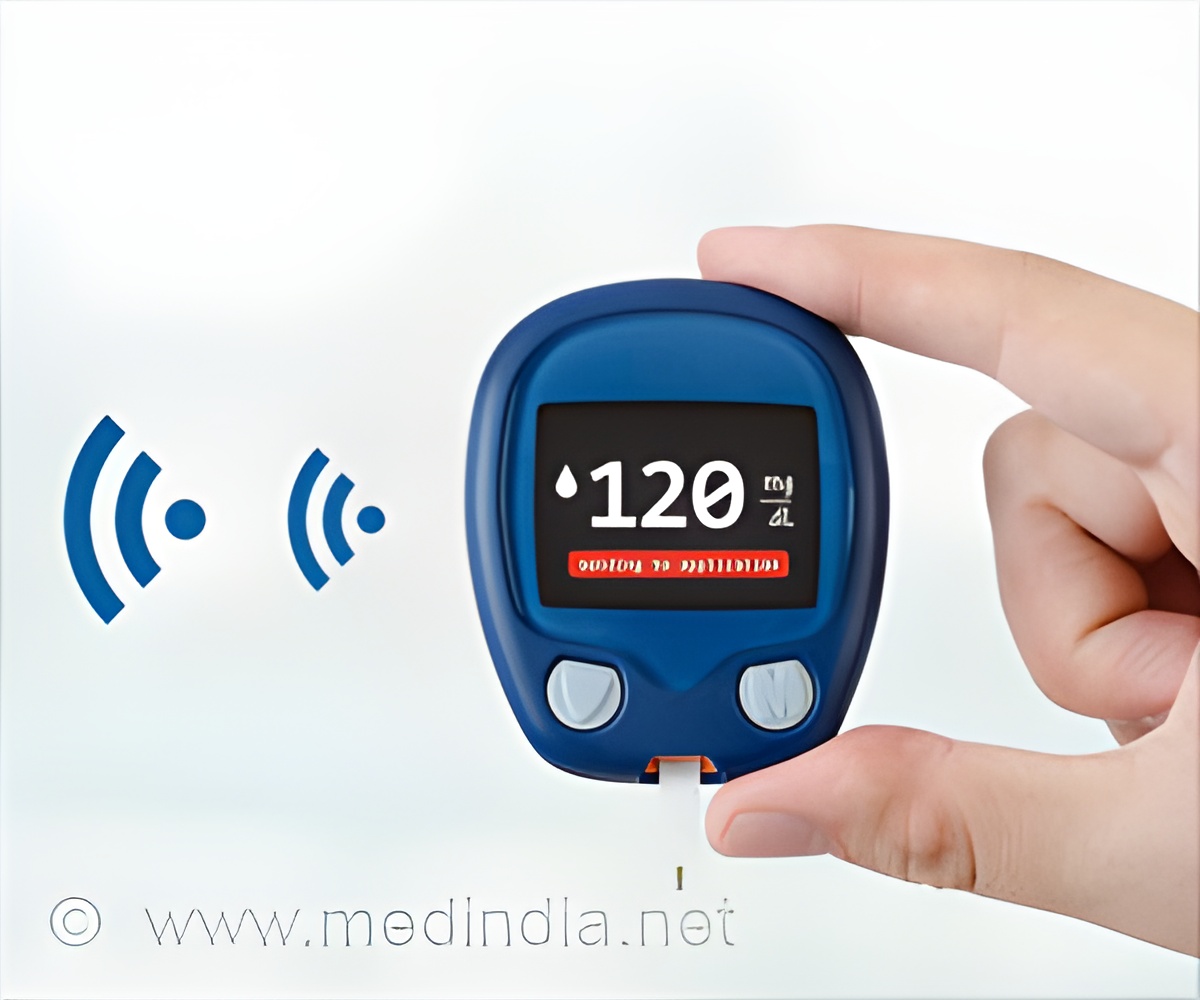

Decoding HbA1c Test for Blood Sugar
The HbA1c assay is the gold-standard measurement of chronic glycemia and measures the amount of glucose that binds to hemoglobin over a period of 3 months
The HbA1c assay is the gold-standard measurement of chronic glycemia and measures the amount of glucose that binds to hemoglobin over a period of 3 months
TOP INSIGHT

Higher HbA1c variability is associated with increased risks of all-cause mortality, cardiovascular events and microvascular complication of diabetes independently of accumulated exposure of high HbA1c.
The study retrospectively recruited patients from Tayside and Fife in the Scottish Care Information-Diabetes Collaboration (SCI-DC), who were observable from diagnosis and had at least five HbA1c measurements before the outcomes. They used a measurement called the HbA1c variability score (HVS) calculated as the percentage of the number of changes in HbA1c more than 0.5% (5.5mmol/mol) among all HbA1c measurements in an individual.
Ten outcomes were studied including the combined outcome of major adverse cardiovascular events (known as MACE), all-cause mortality, cardiovascular death, coronary artery disease (CAD), ischemic stroke, heart failure, diabetic retinopathy (DR), diabetic peripheral neuropathy (DPN), diabetic foot ulcer (DFU) and the new onset of chronic kidney disease (CKD). Statistical models adjusting for baseline characteristics were used to assess the association of HVS with outcomes.
HbA1c or A1c Calculator for Blood Glucose
HbA1c calculator calculates average plasma and whole blood glucose levels. A1c test tells your average blood sugar level in the past 3 months and helps check whether your diabetes is in control.
HbA1c calculator calculates average plasma and whole blood glucose levels. A1c test tells your average blood sugar level in the past 3 months and helps check whether your diabetes is in control.
When looking specifically at the highest variation group (80-100%) versus the lowest (0-20%), the highest group was associated with a 2.4 times increased risk of all three outcomes of MACE, all-cause and cardiovascular mortality. There was also a 2.6 times increased risk of coronary artery disease, a doubling of risk of stroke, a tripled risk of heart failure, DPN, and CKD; a five-times increased risk of diabetic foot ulcer and seven times increased risk of DR. Adjustment for baseline characteristics confirmed the results.

Quiz on Diabetes
Diabetes has replaced every other condition to become the fastest growing lifestyle disease, globally. This disease also impacts children. Some people are more inclined to develop diabetes than others. Do you belong to the high- risk group? Spend 5 minutes to find out.
Diabetes has replaced every other condition to become the fastest growing lifestyle disease, globally. This disease also impacts children. Some people are more inclined to develop diabetes than others. Do you belong to the high- risk group? Spend 5 minutes to find out.
They explain further: "High variation of HbA1c is more common in patients with a higher average level of HbA1c. However, the association with adverse outcomes seen with high HbA1c variability remains even after adjusting for this baseline difference. Thus, a highly variable HbA1c should be considered as a major risk factor for adverse outcomes, even if the average HbA1c is not too high. At this stage, it is important to emphasize that we can't say that the adverse outcomes are definitively caused by the increased variability in HbA1c, and therefore we cannot yet be sure that reducing HbA1c variability will reduce that risk."
15 Unknown Facts About Diabetes
Diabetes is the leading cause of death in the world. Here are some interesting facts about diabetes
Diabetes is the leading cause of death in the world. Here are some interesting facts about diabetes
 Email
Email