MEDINDIA
 English
 हिन्दी
 Español
 français
 中文
中文
Higher blood pressure during exercise and delayed blood pressure recovery after exercise are linked to a higher risk of hypertension, heart disease, and death among middle-aged to older adults.


Benefits of Blood Pressure Tablets on your Health
Hypertension affects about a billion individuals worldwide and is a silent killer. Medication & lifestyle modification is the cornerstone of an effective antihypertensive treatment.
Hypertension affects about a billion individuals worldwide and is a silent killer. Medication & lifestyle modification is the cornerstone of an effective antihypertensive treatment.
TOP INSIGHT

In young to middle-aged adults, blood pressure responses to exercise are vital markers of heart disease and death risk.
They observed that both higher exercise systolic blood pressure (SBP) and exercise diastolic blood pressure (DBP) were associated with a greater risk of developing hypertension. Additionally, both delayed SBP and DBP recovery after exercise was associated with a higher risk of cardiovascular disease and death.
"The way our blood pressure changes during and after exercise provides important information on whether we will develop the disease in the future; this may help investigators evaluate whether this information can be used to better identify people who are at higher risk of developing hypertension and CVD, or dying later in life," explained corresponding author Vanessa Xanthakis, Ph.D., assistant professor of medicine and biostatistics at BUSM and an Investigator for the Framingham Heart Study.

Blood Pressure Cuffs - Are you Measuring your Blood Pressure Right?
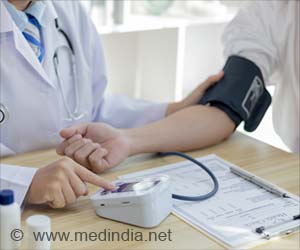
Your health care provider may use a blood pressure monitor to measure blood pressure or suggest the use of home blood pressure monitor for a better BP control.
Your health care provider may use a blood pressure monitor to measure blood pressure or suggest the use of home blood pressure monitor for a better BP control.
Source-Eurekalert

Can Garlic Control High Blood Pressure / Hypertension
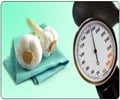
Want to know how to lower high blood pressure/hypertension? Garlic is a miracle herb that helps to lower blood pressure and keep it under control.
Want to know how to lower high blood pressure/hypertension? Garlic is a miracle herb that helps to lower blood pressure and keep it under control.
 Email
Email