MEDINDIA
 English
 हिन्दी
 Español
 français
 中文
中文
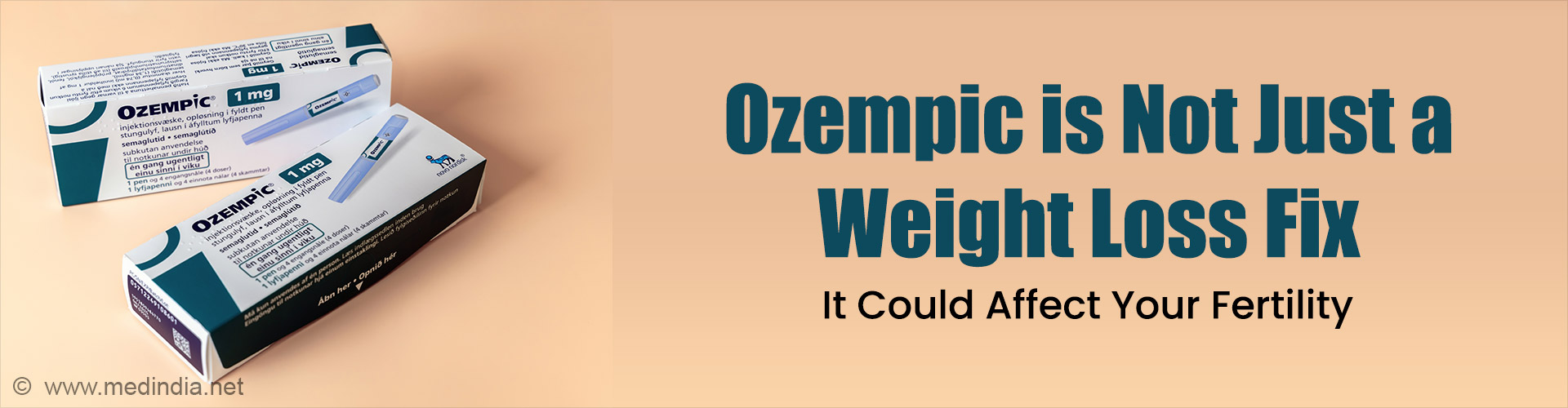
Most women of reproductive age using GLP-1 weight-loss drugs are not using contraception, despite potential risks to unborn babies.
Highlights:
Most women taking popular weight-loss drugs during their reproductive years are not using contraception, raising concerns about potential harm to unborn babies (1✔ ✔Trusted Source- Majority of women on GLP-1 weight-loss drugs are not using contraception
- GLP-1 medications linked to potential risks during pregnancy
- Calls for clearer guidelines in prescribing weight-loss medications to women
Incidence of GLP-1 receptor agonist use by women of reproductive age attending general practices in Australia, 2011-2022: a retrospective open cohort study
Go to source). A comprehensive analysis has shown that a significant number of Australian women aged between 18 and 49 who were prescribed GLP-1 receptor agonists, medications like Ozempic, did not use effective birth control, despite the documented risks if pregnancy occurs.
Pregnancy Weight Gain Calculator
Calculate your weight gain during pregnancy and find out the ideal weight gain limit for your month of pregnancy.
Calculate your weight gain during pregnancy and find out the ideal weight gain limit for your month of pregnancy.
TOP INSIGHT

Did You Know?
Over 90 percent of women prescribed #GLP1 medications like Ozempic had no diabetes diagnosis, yet only 21 percent reported using #contraception.
#weightloss #weightlossdrugs #pregnancy #ozempic #medindia
Low Contraceptive Use Despite Widespread Prescriptions
The study, published in the Medical Journal of Australia, examined health records of over 1.6 million women who visited general practices from 2011 to 2022. Out of 18,010 women who were newly prescribed GLP-1 receptor agonists during this period, only 21 percent reported contraceptive use.Although initially intended for treating type 2 diabetes, GLP-1 receptor agonists have become widely used for their appetite-reducing and weight-loss properties. The analysis also revealed that most prescriptions are now given to women who do not have diabetes.

Weight Loss Vital at Pregnancy for a Healthy Baby
If obese women lost weight before pregnancy, it would benefit their babies, concludes a study that used mice to verify findings.
If obese women lost weight before pregnancy, it would benefit their babies, concludes a study that used mice to verify findings.
Majority Prescribed Without Diabetes Diagnosis
Associate Professor Luke Grzeskowiak, a pharmacist and lead author from Flinders University's College of Medicine and Public Health, highlighted that in 2022 alone, more than 6,000 women started GLP-1 treatment and over 90 percent did not have a diabetes diagnosis.He noted that while these medications can be highly beneficial, especially for weight management, they are not without risks, particularly during pregnancy. There is currently little evidence suggesting that contraception is being routinely discussed during prescriptions for these drugs.

Obesity and Fertility: How Weight Loss Boosts Pregnancy Chances
Explore how structured weight loss support can improve pregnancy outcomes and increase access to fertility treatment for women with obesity.
Explore how structured weight loss support can improve pregnancy outcomes and increase access to fertility treatment for women with obesity.
Increased Pregnancy Rates After Medication Use
The findings also indicated that 2.2 percent of women became pregnant within six months of beginning GLP-1 treatment. Pregnancy rates were higher among younger women with diabetes and among women in their early thirties without diabetes.Women diagnosed with polycystic ovary syndrome were twice as likely to become pregnant, possibly due to improved fertility linked to weight loss even when pregnancy was unintended. In contrast, women using contraception at the time of prescription had significantly lower chances of conceiving.
Obesity during Pregnancy: Know the Risks
Women with a body mass index >30 are obese and are at a higher risk for gestational diabetes during pregnancy. Macrosomia and birth defects are risks seen in the babies.
Women with a body mass index >30 are obese and are at a higher risk for gestational diabetes during pregnancy. Macrosomia and birth defects are risks seen in the babies.
Potential Risks for Unborn Babies
Animal studies conducted by the University of Amsterdam previously associated GLP-1 exposure during pregnancy with reduced fetal growth and skeletal deformities. Although human data remains limited, these risks cannot be overlooked.Associate Professor Grzeskowiak emphasized that while the United Kingdom advises women using GLP-1 receptor agonists to avoid pregnancy and use reliable contraception, such recommendations are not consistently applied in Australian clinical settings.
Need for Clearer Guidelines and Conversations
He stressed the necessity of integrating reproductive health considerations into every consultation where GLP-1 medications are prescribed to women of childbearing age.Clear and practical prescribing guidelines are urgently needed to ensure these medications are used safely and effectively. The recommendation is for women to discuss the risks and benefits of GLP-1 drugs with their general practitioner and only use them under proper medical supervision.
The authors advocate for more in-depth investigations into how these medications affect pregnancy and fetal health. Comprehensive studies are essential to better understand the potential long-term impacts on both mothers and their unborn children.
To sum up, while GLP-1 receptor agonists offer promising benefits for weight loss, their use among women of reproductive age without adequate contraception presents significant risks. Clearer medical guidelines and proactive conversations about reproductive health are vital to ensuring the safe use of these medications.
Reference:
- Incidence of GLP-1 receptor agonist use by women of reproductive age attending general practices in Australia, 2011–2022: a retrospective open cohort study - (https://onlinelibrary.wiley.com/doi/10.5694/mja2.70026)
Source-Medindia
 Email
Email