MEDINDIA
 English
 हिन्दी
 Español
 français
 中文
中文
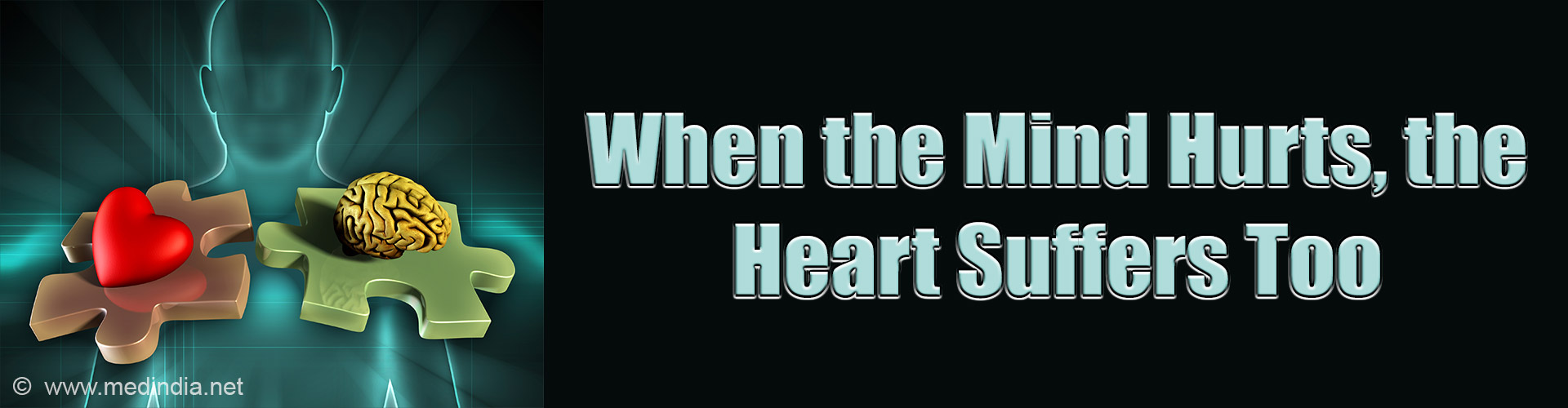
A new study shows mental health disorders sharply raise heart disease risk and cut life expectancy.
Highlights:
A new study published in The Lancet Regional Health – Europe has revealed a striking connection between mental health disorders and cardiovascular disease. The findings show that people living with conditions such as depression, schizophrenia, bipolar disorder, anxiety, or post-traumatic stress disorder face a significantly higher risk of developing heart disease compared to the general population (1✔ ✔Trusted Source- People with mental health disorders face a higher heart disease risk
- Life expectancy is 10–20 years shorter in severe cases
- Integrated care is key to improving both mind and heart health
Mental health disorders and their impact on cardiovascular health disparities
Go to source).
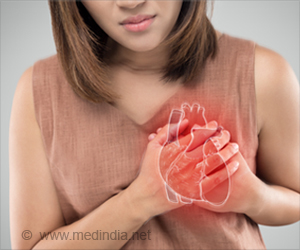
Alarming Link Between Mental Health and Sudden Cardiac Death
Learn about how mental health conditions like depression, schizophrenia increase the risk of death due to sudden cardiac arrest.
Learn about how mental health conditions like depression, schizophrenia increase the risk of death due to sudden cardiac arrest.
TOP INSIGHT

Did You Know?
People with depression or schizophrenia may lose up to 20 years of life due to heart disease risk #hearthealth #mentalwellness #medindia
Mental Health Disorders and Heart Disease Statistics
The report brings sharp numbers to light. People with major depression have a 72 percent higher risk of cardiovascular disease. Schizophrenia nearly doubles that risk, while sudden cardiac death is four times more likely in this group. Bipolar disorder raises heart disease risk by 57 percent. Those with post-traumatic stress disorder face a 61 percent higher chance of developing coronary heart disease, and phobic anxiety is linked to a 70 percent increase. Beyond these percentages, the study also notes that over 40 percent of people with existing cardiovascular conditions also live with a mental health disorder. Most sobering of all, the life expectancy of people with schizophrenia, bipolar disorder, or major depression is reduced by 10 to 20 years compared to the general population.
Yoga And Heart
The various diseases of the heart can be effectively cured through yogic therapy and heart health can be at its optimum through yoga practice.
The various diseases of the heart can be effectively cured through yogic therapy and heart health can be at its optimum through yoga practice.
Link Between Mental Health and Cardiovascular Disease
Researchers explain that the link between mental health and cardiovascular disease is not accidental. Biological factors such as chronic inflammation and autonomic nervous system dysfunction play a role. At the same time, behavioral patterns like smoking, physical inactivity, and poor diet compound the risks. Many people with severe mental health conditions also face barriers in accessing timely healthcare, which can delay the diagnosis and treatment of cardiovascular issues.Heart Disease Risk in Depression, Anxiety, and PTSD
The relationship between these two conditions is not one-sided. Cardiovascular problems can themselves increase the risk of developing depression, anxiety, or post-traumatic stress disorder. For example, nearly one in three people who survive a heart attack develop depression, and almost one in four stroke survivors experience symptoms of PTSD. This cycle shows how deeply intertwined the brain and the heart truly are.
Challenges in Treating Mental Health and Heart Disease Together
One of the most pressing challenges is that people with mental health disorders are often left out of cardiovascular research and prediction models. This means doctors may underestimate their risks, leading to missed opportunities for prevention. On top of that, stigma, poverty, low health literacy, and gaps in insurance coverage can further widen disparities. Healthcare systems also tend to treat mental and physical health separately, leaving many patients struggling to navigate fragmented care.Stress and Trauma as Shared Risk Factors for Heart Disease
Stressful life events, trauma, and social disadvantages are shared risk factors that feed both mental health disorders and cardiovascular disease. The burden of daily challenges, whether financial, social, or personal, can silently wear down both mental resilience and physical health over time.
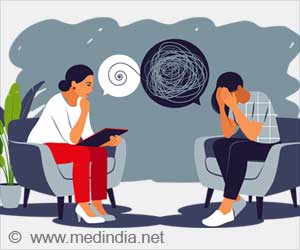
Preventing Cardiovascular Disease in People With Mental Illness
Experts recommend an integrated approach. Primary care clinics and hospitals should prioritize early screening for both mental and cardiovascular conditions. Regular checks for blood pressure, cholesterol, and lifestyle habits can be combined with mental health assessments. Simple interventions such as promoting physical activity, encouraging balanced diets, and helping people quit smoking can deliver long-lasting benefits.Lifestyle Changes and Mind-Body Practices for Heart Health
Alongside medical treatments, lifestyle changes and mind-body practices are gaining importance. Techniques such as yoga, tai chi, and mindfulness may help reduce stress and improve overall cardiovascular health. These approaches are not meant to replace medical care but can be powerful tools for building resilience in everyday life.
Integrated Care for Mental Health and Heart Patients
The study also calls for systemic change. Mental health patients must be included in cardiovascular research and risk models to better reflect their realities in medical guidelines. Technology such as mobile health apps could also provide reminders for medication, mental health check-ins, and activity tracking, bridging the gap for people who might otherwise be left behind.
Key Takeaway on Mental Health and Cardiovascular Risks
The message is clear: the heart and mind cannot be treated in isolation. Ignoring the overlap between mental health and cardiovascular disease has already cost countless lives. The challenge now is to shift toward care that addresses both together, recognizing that emotional well-being and physical health are two sides of the same coin.Your mind and heart are inseparable. Care for both today and inspire a healthier tomorrow for yourself and your loved ones.
Reference:
- Mental health disorders and their impact on cardiovascular health disparities - (https://www.thelancet.com/journals/lanepe/article/PIIS2666-7762(25)00165-6/fulltext)
Source-Medindia
 Email
Email