MEDINDIA
 English
 हिन्दी
 Español
 français
 中文
中文
Think lung cancer only affects smokers? Think again. Learn how this November we stand together for lung-health awareness.
Highlights:
Every November, the world turns stronger attention toward Lung Cancer Awareness Month, a time when advocacy groups, medical institutions and communities unite to highlight prevention, screening and treatment of the disease (1✔ ✔Trusted Source- Lung cancer is the leading cause of cancer death, yet early detection significantly improves outcomes
- Screening using low-dose CT in high-risk individuals can catch lung cancer before it spreads
- Awareness efforts help reduce stigma, expand knowledge, and drive action across diverse populations
November is Lung Cancer Awareness Month
Go to source). Globally, lung cancer remains the leading cause of cancer‐related death among both men and women (2✔ ✔Trusted Source
Lung Cancer
Go to source).

Lung Cancer
Lung cancer is a malignant tumor in the lung tissues. Smoking is the main cause of lung cancer with symptoms like recurrent respiratory diseases.
Lung cancer is a malignant tumor in the lung tissues. Smoking is the main cause of lung cancer with symptoms like recurrent respiratory diseases.
TOP INSIGHT

Did you know?
During lung cancer awareness campaigns, many people wear a white ribbon to show support and promote early screening. #lungcancerawareness #medindia
What is Lung Cancer?
Lung cancer comes in two main types: non-small cell lung cancer (NSCLC), which accounts for more than 85 % of cases, and small cell lung cancer (SCLC), which is less common but tends to grow and spread more rapidly (1✔ ✔Trusted SourceNovember is Lung Cancer Awareness Month
Go to source).
Lung Cancer
Go to source).
Because lung cancer often shows little or no symptoms until advanced stages, early detection is critical. In the U.S., for example, guidelines recommend annual low-dose CT screening for adults aged 50-80 who have a 20-pack-year smoking history and currently smoke or quit within the past 15 years (1✔ ✔Trusted Source
November is Lung Cancer Awareness Month
Go to source).
Lung Cancer Screening
Lung cancer accounts for nearly 1.3 million deaths annually worldwide. Lung cancer screening can help in early detection of cancer and possible cure.
Lung cancer accounts for nearly 1.3 million deaths annually worldwide. Lung cancer screening can help in early detection of cancer and possible cure.
What Happens During Lung Cancer Awareness Month?
Organisations like the American Lung Association’s “LUNG FORCE” campaign and the American Association for Cancer Research (AACR) mobilise each November to raise awareness, share patient stories, release new data, and encourage screening (3✔ ✔Trusted SourceMark your calendar for key LUNG FORCE activation periods
Go to source).
They issue toolkits, promote the white ribbon symbol of lung cancer awareness, and make materials widely available to individuals, workplaces and community groups (4✔ ✔Trusted Source
November: Honor Veterans Through Lung Cancer Screening
Go to source).

World Lung Cancer Day 2025: Spotlight on Early Detection and Equal Care
World Lung Cancer Day 2025 highlights the silent rise of lung cancer in non-smokers, urging early screening and awareness to improve outcomes and save lives.
World Lung Cancer Day 2025 highlights the silent rise of lung cancer in non-smokers, urging early screening and awareness to improve outcomes and save lives.
Why Lung Cancer Awareness Makes a Difference
When lung cancer is caught early, before it spreads beyond the lung, the chances of surviving five years or more go up dramatically (1✔ ✔Trusted SourceNovember is Lung Cancer Awareness Month
Go to source). Screening remains underutilised, but campaigns during this month aim to change that. Data shows that increasing screening uptake correlates with more diagnoses at early stages, which is good news for treatment outcomes (5✔ ✔Trusted Source
November Is Lung Cancer Awareness Month
Go to source).
Beyond detection, awareness months help reduce stigma. Many assume lung cancer only affects active smokers or older people. In fact, anyone with lungs can get lung cancer. Spreading that message encourages more people to speak up, seek evaluation and feel supported (4✔ ✔Trusted Source
November: Honor Veterans Through Lung Cancer Screening
Go to source).
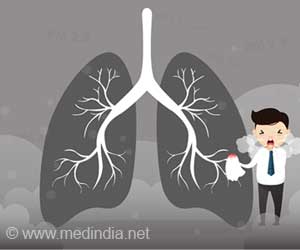
Lung Cancer Without Smoking?
Discover how air pollution is emerging as a significant cause of lung cancer in non-smokers.
Discover how air pollution is emerging as a significant cause of lung cancer in non-smokers.
Practical Steps You Can Take to Prevent Lung Cancer
- If you smoke or used to smoke heavily, speak with your doctor about whether you qualify for lung cancer screening.
- Avoid tobacco use and minimise exposure to second-hand smoke, radon and toxic work-place materials (1✔ ✔Trusted Source
November is Lung Cancer Awareness Month
Go to source). - Educate yourself on early warning signs such as a persistent cough, unexplained breathlessness or chest pain and don’t ignore them.
- Share trustworthy information within your community or workplace: awareness starts with conversation.
- Support research foundations or initiatives that fund lung cancer studies, because better treatments and earlier detection are still needed globally.
India and Lung Cancer
In India and many parts of Asia, risks like indoor air pollution, biomass fuel exposure and heavy urban pollution add to the challenge of lung cancer prevention. Awareness campaigns tailored to local languages and cultural contexts are especially valuable.Launching into action this November with a clear message- “anyone with lungs can get lung cancer”- is powerful, because it invites us all to take ownership. Whether by quitting smoking, supporting a loved one or simply sharing information, each small step helps. Awareness month isn’t just symbolic. It can lead to lifesaving conversations, earlier detection and ultimately greater hope.
References:
- November is Lung Cancer Awareness Month (https://www.aacr.org/patients-caregivers/awareness-months/lung-cancer-awareness-month/)
- Lung Cancer - (https://www.aacr.org/patients-caregivers/cancer/lung-cancer/)
- Mark your calendar for key LUNG FORCE activation periods - (https://www.lung.org/lung-force/about-lung-force/featured-campaigns)
- November: Honor Veterans Through Lung Cancer Screening - (https://lcfamerica.org/get-involved/raise-awareness/november-lung-cancer-awareness-month/)
- November Is Lung Cancer Awareness Month - (https://www.facs.org/media-center/resources-for-journalists/lung-cancer-awareness/)
Source-Medindia
 Email
Email