MEDINDIA
 English
 हिन्दी
 Español
 français
 中文
中文

New NIH study links hormone therapy type to breast cancer risk in younger women.
Highlights:
A groundbreaking study by the National Institutes of Health (NIH) is shifting the conversation around hormone therapy and breast cancer risk in women under 55. By analyzing data from nearly half a million women across four continents, the findings published in The Lancet, highlight how different types of hormone treatments may influence breast cancer risk in very different ways (1✔ ✔Trusted Source- Estrogen-only therapy linked to reduced breast cancer risk
- Combination therapy may slightly increase risk before age 55
- Findings stress the need for personalized hormone therapy decisions
Hormone therapy use and young-onset breast cancer: a pooled analysis of prospective cohorts included in the Premenopausal Breast Cancer Collaborative Group
Go to source).

Preventing Breast Cancer with Lifestyle Changes
Lifestyle changes can help lower your chances of developing breast cancer.
Lifestyle changes can help lower your chances of developing breast cancer.
TOP INSIGHT

Did You Know?
Estrogen-only therapy may lower early breast cancer risk. #hormonetherapy #breastcancerawareness #medindia
The Numbers
Among the 459,000 women studied, those who used unopposed estrogen hormone therapy (E-HT) were found to have a 14% lower risk of developing breast cancer before age 55 compared to non-users. In contrast, women who used estrogen plus progestin hormone therapy (EP-HT) had a 10% higher risk, which rose to 18% with use beyond two years. When translated into cumulative risk, that means breast cancer before age 55 could affect 4.5% of long-term EP-HT users, compared to 4.1% of non-users and 3.6% of E-HT users.Why Hormone Therapy Matters
Hormone therapy is often prescribed to ease difficult symptoms during menopause or after certain surgeries like hysterectomy or oophorectomy. For many women, it can significantly improve daily comfort, sleep, and overall quality of life. Yet, the decision to start hormone therapy is rarely simple.What this new study does is offer clarity, especially for younger women who may not have reached full menopause but are experiencing hormonal fluctuations or have had surgeries that affect hormone levels. Until now, most of the data linking hormone therapy to breast cancer came from studies in older, postmenopausal women.

Pros and Cons of Menopausal Hormone Therapy
New documentation that contains numerous published studies, comprising both research overviews and original studies of various kinds about menopausal hormone therapy is released.
New documentation that contains numerous published studies, comprising both research overviews and original studies of various kinds about menopausal hormone therapy is released.
Two Hormone Paths, Two Different Risks
The study shows a clear split in risk profiles based on the type of hormone therapy used:Unopposed Estrogen Hormone Therapy (E-HT)
This therapy, which includes estrogen alone, is generally prescribed only to women who no longer have a uterus. According to the findings, it may actually offer some protection against early-onset breast cancer. The benefit was more noticeable in women who began using it at younger ages or for longer periods. While it is not without its own risks, especially for other conditions, this treatment path may warrant closer consideration for eligible women.
Estrogen Plus Progestin Hormone Therapy (EP-HT)
On the other hand, EP-HT was linked to an increased risk of breast cancer, particularly in women who still have their uterus and ovaries. The association was even stronger for more aggressive subtypes of breast cancer such as estrogen receptor negative and triple-negative forms. These findings suggest that the added progestin, although protective against uterine cancer, may introduce new risks for breast tissue.
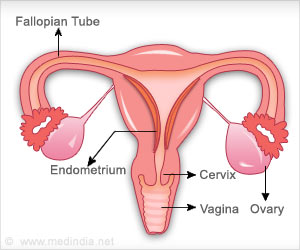
Estrogen Therapy Among Women: Fresh Insights
Harms and benefits of estrogen therapy among women with a hysterectomy appear to depend on age, revealed new study.
Harms and benefits of estrogen therapy among women with a hysterectomy appear to depend on age, revealed new study.
Making Informed Decisions
Experts involved in the study emphasize that this new evidence reinforces the importance of individualized care. The research notes that women and their healthcare providers should carefully consider the specific type of hormone therapy, its duration, and the woman's surgical history when making treatment decisions.Hormone therapy is not one-size-fits-all. Factors such as whether a woman has undergone a hysterectomy, her age at treatment initiation, and the severity of symptoms should guide the treatment protocol. In some cases, non-hormonal alternatives or lifestyle adjustments may be explored first. In others, short-term hormone therapy with regular monitoring may be the best course of action.
The Future of Hormone Therapy
This study adds a crucial piece to the puzzle of how hormone therapy affects women at different life stages. It also highlights the need for more research focused specifically on younger women, whose risks and benefits differ from those of older postmenopausal populations.Importantly, the findings open the door for new clinical guidelines that better reflect the diverse needs of women navigating hormonal changes before age 55. With breast cancer continuing to be a major concern worldwide, having precise data can empower many women to make safer, smarter decisions.
Rather than offering blanket recommendations, this research encourages open, informed discussions between women and their doctors. It also reminds us that progress in women’s health means recognizing that no two bodies or life paths are the same. Personalized medicine, backed by rigorous data, is not a luxury but a necessity.
If you or someone you know is considering hormone therapy, now is the time to talk to your doctor about the type, duration, and alternatives that suit your body best. Your health decisions deserve clarity that comes from staying informed.
Reference:
- Hormone therapy use and young-onset breast cancer: a pooled analysis of prospective cohorts included in the Premenopausal Breast Cancer Collaborative Group - (https://www.thelancet.com/journals/lanonc/article/PIIS1470-2045(25)00211-6/abstract)
Source-Medindia
 Email
Email