MEDINDIA
 English
 हिन्दी
 Español
 français
 中文
中文
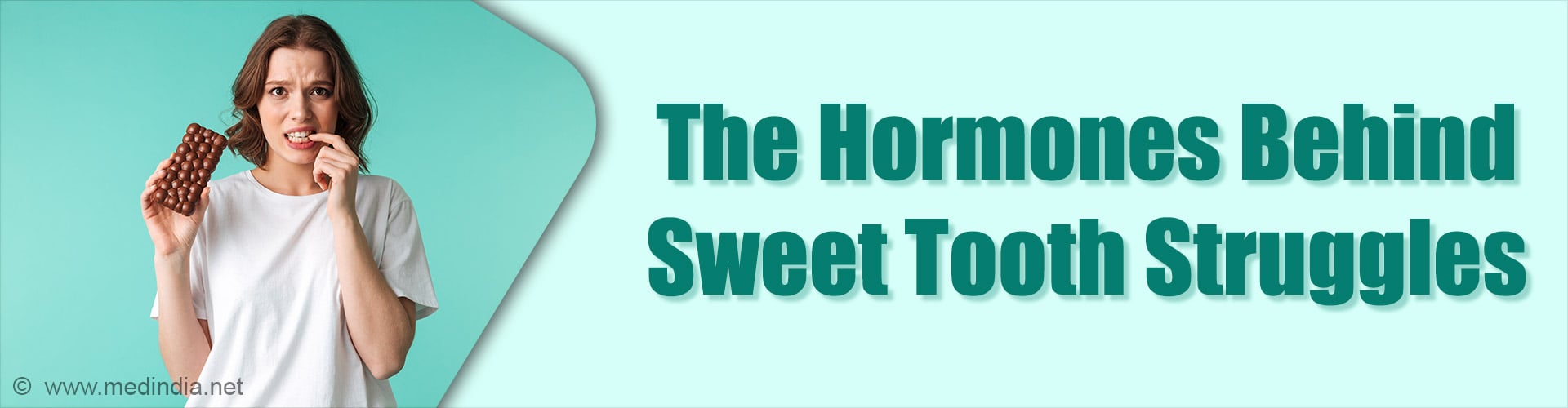
Hormones, stress, and the gut microbiome make sugar cravings stronger in women than in men.
Highlights:
The deal about sugar craving is real! If you’ve ever reached for dessert after a long day, you’re not alone. But here's the surprising truth: women tend to crave sweets more often, and more intensely, than men (1✔ ✔Trusted Source- Hormonal shifts like menstruation and menopause trigger stronger sweet cravings
- Stress and emotions increase appetite and emotional eating, especially in women
- Gut bacteria and estrogen balance influence when and why women crave sugar
Gender-related Differences in Food Craving and Obesity
Go to source). This isn't simply a matter of preference or willpower. It’s deeply rooted in hormones, brain chemistry, and even the bacteria in your gut. Women’s cravings for sugary foods are influenced by natural biological rhythms, emotional patterns, which are often different from what men experience.

The Vicious Cycle of Sugar Cravings: Obesity, Diabetes, and Fatty Liver
Diabetes, obesity, and fatty liver disease can be signaled by cravings for sugary foods
Diabetes, obesity, and fatty liver disease can be signaled by cravings for sugary foods
TOP INSIGHT

Did You Know?
Your monthly cravings for sweets might be less about willpower and more about hormones and brain chemistry. #periodcravings #womenswellness #medindia
The Real Drivers of Women’s Sweet Tooth
Women's hormone levels fluctuate constantly during monthly cycles, pregnancy, and menopause. These ups and downs directly affect mood and appetite. One key player is serotonin, a brain chemical that helps regulate emotions. When serotonin levels dip (as they often doWhy Stress Amplifies Cravings
Women are biologically and psychologically more likely to eat in response to stress. During tense times, levels of the hunger hormone ghrelin rise while leptin, the hormone that signals fullness, can drop. This creates a biological drive to eat, and sweet foods become an easy source of comfort. For many women, emotional eating is more than just a habit. It’s a hormone-fueled coping tool.
How to Curb Sugar Cravings: Tips, Tricks, and Healthy Recipes
Explore sugar''s effects on mental health, including mood swings, stress, and depression; learn why it''s addictive and discover healthier alternatives.
Explore sugar''s effects on mental health, including mood swings, stress, and depression; learn why it''s addictive and discover healthier alternatives.
When Your Gut Talks to Your Brain
The gut isn’t just for digestion. It has a say in your cravings too. A special subset of gut bacteria called the estrobolome helps process estrogen. When hormone levels shift, the balance of these gut microbes changes too. This can make the body crave certain foods, particularly sugar, which supports the growth of sugar-loving bacteria. The result? A feedback loop of cravings.
Nature Prepares for Pregnancy
In the days before menstruation, a woman’s body prepares for the possibility of pregnancy by signaling the need for extra energy. Cravings for calorie-dense foods, especially those rich in sugar, may be the body’s way of ensuring it has the reserves it needs. While this is perfectly normal, it’s also a key reason behind the powerful premenstrual urge for sweets.
How Genes Affect Sugar Cravings and Intake
Discover how genetic variations in the SI gene affect sugar preferences and intake, potentially offering new ways to reduce obesity and diabetes risk.
Discover how genetic variations in the SI gene affect sugar preferences and intake, potentially offering new ways to reduce obesity and diabetes risk.
Why Men Experience It Differently
Men don’t go through the same hormonal rollercoaster that women do. With more stable levels of testosterone, their brains and bodies aren’t as vulnerable to the kind of cyclical changes that trigger cravings in women. This hormonal consistency means fewer intense, biologically-driven urges for sweet foods.Different Cravings And Triggers
Research shows that men tend to crave savory or protein-rich foods more than sweets. While they may also eat when emotional, they’re less likely to use food as a coping tool for stress or low mood. Interestingly, when men do indulge emotionally, it may be in response to positive emotions like celebrations, rewards, or bonding rather than sadness or anxiety.

Quiz on Artificial Sweeteners
With better and safe non caloric sweeteners coming in the market day by day, it has now become possible for people to consume any sweet food /beverage without a compromise on ...
With better and safe non caloric sweeteners coming in the market day by day, it has now become possible for people to consume any sweet food /beverage without a compromise on ...
Less Influence from Social Pressures
Women often face societal pressures linking body image, self-worth, and eating habits. These can intensify emotional eating, especially of sweets, which are seen as both comforting and taboo. Men, on the other hand, may not experience this same pressure, allowing for a simpler, less complicated relationship with food.
Better Craving Control?
Some studies suggest men might have a slight edge when it comes to resisting cravings. Their brain responses to tempting foods are easier to dial down using cognitive techniques. In short, they may find it easier to “talk themselves out” of reaching for the brownie.
Grasping why women experience more intense sugar cravings isn’t about pointing fingers. It’s about biology, not weakness. Recognizing the science behind these cravings opens the door to healthier, more compassionate strategies to manage them - ones that honor hormonal cycles, gut health, emotional triggers, and personal needs.
Instead of fighting your cravings with guilt, learn to work with your body’s natural rhythms. Support your hormones, soothe your stress, and feed your gut wisely, and you’ll find that balance, not restriction, is the sweetest path to wellness.
Reference:
- Gender-related Differences in Food Craving and Obesity - (https://pmc.ncbi.nlm.nih.gov/articles/PMC4918881/)
Source-Medindia
 Email
Email