MEDINDIA
 English
 हिन्दी
 Español
 français
 中文
中文
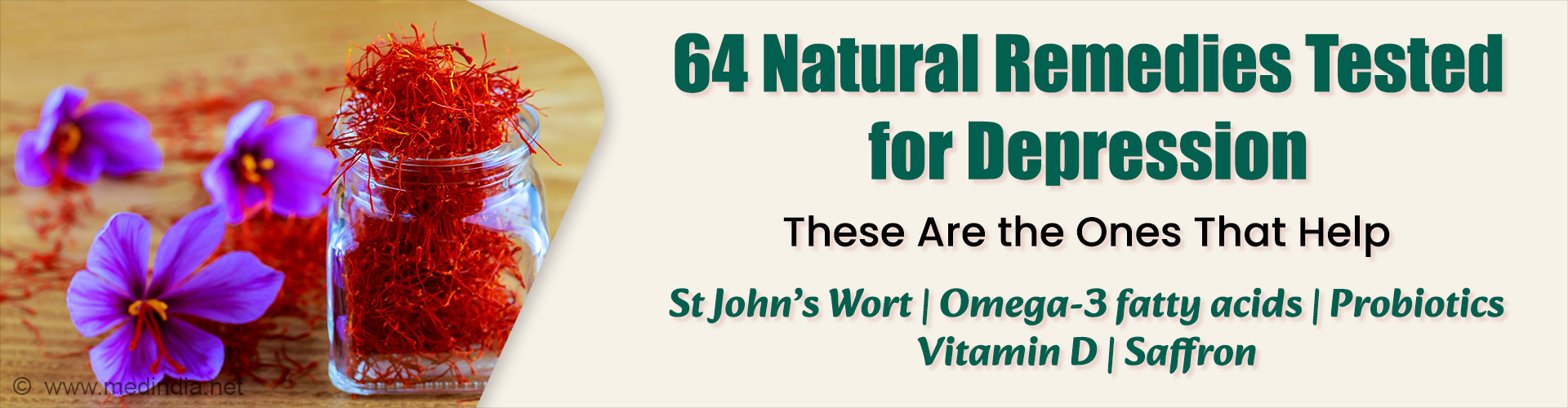
St John’s Wort, saffron, probiotics, vitamin D, and omega-3s have the strongest support for easing depressive symptoms.
Highlights:
More than sixty herbal and dietary over-the-counter products have been evaluated in clinical trials for their potential to reduce symptoms of depression—though not all have strong supporting evidence. Products like St John’s Wort and omega-3s are commonly known, but many lesser-known supplements are gaining interest due to emerging clinical findings (1✔ ✔Trusted Source- St John’s Wort and saffron often matched antidepressants in reducing symptoms
- Probiotics and vitamin D showed positive effects compared to placebo
- Over sixty herbal supplements have been clinically tested for depression
Understanding the research landscape of over-the-counter herbal products, dietary supplements and medications evaluated for depressive symptoms in adults: A scoping review
Go to source). With depressive symptoms affecting a growing share of the population, many people are seeking alternatives beyond traditional antidepressants and therapy. In the United Kingdom alone, over 11 percent of people report mild symptoms, while moderate and severe symptoms affect 4.2 percent and 3.3 percent respectively. In response, many seek help from meditation, physical activity, talk therapy, and increasingly, over-the-counter products available in pharmacies and online.

Depression Calculator
A quick, simple and anonymous self-assessment health tool to assess the level of depression using the famous Zung Self-Rating Depression Scale.
A quick, simple and anonymous self-assessment health tool to assess the level of depression using the famous Zung Self-Rating Depression Scale.
TOP INSIGHT

Did You Know?
St John's Wort and saffron were found to be just as effective as some #antidepressants in multiple clinical trials.
#medindia #naturalhealing #mentalhealth #alternative-medicine
Confusion from Online Sources Fuels Interest in Clinical Evidence
Once people begin exploring supplement options, they’re met with overwhelming and often conflicting information—especially on blogs and social media. Understanding what is evidence-based and safe can be daunting, particularly as supplement regulations and product popularity vary from country to country. Given the volume of products marketed for depression, it becomes crucial to examine which ones are backed by scientific data and clinical trials. In this review, researchers screened tens of thousands of study records and distilled them down to 209 clinical trials. These trials examined 64 different over-the-counter products taken for at least one week by adults aged 18 to 60 with depressive symptoms or diagnosed depression. Trials involving older adults were assessed separately due to noticeable differences in data trends.
The Herbal Mood Fix: Saffron and Its Power to Calm
Saffron shows promise as a natural remedy for Alzheimer’s, stress, sleep issues, depression, and cognitive decline, offering brain benefits with few side effects.
Saffron shows promise as a natural remedy for Alzheimer’s, stress, sleep issues, depression, and cognitive decline, offering brain benefits with few side effects.
Substantive Support for Five Key Products
The review identified five products with strong supporting evidence from more than ten clinical trials:- St John’s Wort (38 trials)
- Omega-3 fatty acids (39)
- Probiotics (18)
- Vitamin D (14)
- Saffron (18).
Omega-3 fatty acids had the most trials, but less than half reported benefits over placebo. In contrast, St John’s Wort and saffron frequently showed positive effects, sometimes matching the results seen with prescription antidepressants. Probiotics and vitamin D also showed promising outcomes in comparison with placebo.

Depression – A Holistic Approach-Signs, Symptoms and Treatment
Depression is a common disorder and many worldwide suffer from depression. Early recognition of symptoms and signs of depression can help in taking a holistic approach to the management of depression.
Depression is a common disorder and many worldwide suffer from depression. Early recognition of symptoms and signs of depression can help in taking a holistic approach to the management of depression.
Lesser-Known Supplements Show Early Promise
Among products with a smaller but growing evidence base, those supported by two to nine trials, several showed potential benefits. These included folic acid, lavender, zinc, tryptophan, rhodiola, and lemon balm. Chamomile tea, Persian lavender, and bitter orange also demonstrated positive effects in two separate trials each.However, some popular supplements had inconsistent outcomes. Melatonin, curcumin, cinnamon, magnesium, and vitamin C showed mixed effects in depression treatment. Products like prebiotics and S-adenosylmethionine did not perform better than placebo in the trials reviewed.
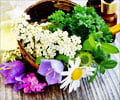
Herbs that Reduce Anxiety and Depression
Read on to find out which herbs and herbal products are useful and effective in treating the chronic and recurring disorders such as anxiety and depression.
Read on to find out which herbs and herbal products are useful and effective in treating the chronic and recurring disorders such as anxiety and depression.
Gaps in Evidence for Commonly Used Remedies
Surprisingly, 41 of the tested products had only a single trial available, limiting the ability to draw strong conclusions about their effectiveness. While this provides a useful starting point, it emphasizes the need for further research.Public interest does not always match the strength of scientific backing. For instance, widely used products such as ginseng, ginkgo, lime flowers, orange blossom, and peppermint remain popular in self-care routines, yet none of these have been evaluated in clinical trials for depression. This gap underscores the need for evidence-based guidance when considering alternative remedies.
Encouragingly, most of the products appeared safe, whether taken on their own or alongside prescription antidepressants. However, only 69 percent of the reviewed clinical trials fully reported safety outcomes.
It remains essential to consult a healthcare provider before combining supplements with medications, as interactions may still pose risks. More rigorous safety assessments and better reporting standards in future trials are needed to fully understand long-term implications.
Untapped Areas for Future Evaluation
Many trials involved participants who were already taking antidepressants, but very few examined how over-the-counter supplements interact with talking therapies. Only one trial tested whether an over-the-counter product—folic acid, could help reduce healthcare costs, but it did not show better outcomes than placebo.Looking ahead, the review highlights several lesser-studied but popular remedies, such as chamomile, lemon balm, lavender, and echium, as worthwhile candidates for further investigation. Building a clearer understanding of these commonly consumed products could lead to more tailored and effective treatment options for those experiencing depressive symptoms.
In conclusion, with rising rates of depression, many people are turning to over-the-counter supplements as part of their wellness strategies. While a handful of products—such as St John’s Wort, saffron, vitamin D, probiotics, and omega-3s have strong evidence behind them, many others are still in the early stages of investigation. Ongoing studies into these remedies could shape more holistic and accessible approaches to mental health care.
Reference:
- Understanding the research landscape of over-the-counter herbal products, dietary supplements and medications evaluated for depressive symptoms in adults: A scoping review - (https://www.frontiersin.org/journals/pharmacology/articles/10.3389/fphar.2025.1609605/full)
Source-Medindia
 Email
Email