MEDINDIA
 English
 हिन्दी
 Español
 français
 中文
中文
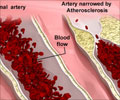
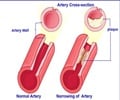
A new study reveals that the Porphyromonas gingivalis bacteria that cause chronic oral infection may also increase the risk of atherosclerosis.

Bleeding Gums - Causes, Symptoms, Diagnosis & Treatment
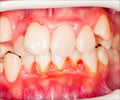
Bleeding gums is a condition in which blood leaks from the gums and the spaces between the teeth. Gingivitis and periodontitis are the causes of bleeding gums which result in pain and swollen gums.
Bleeding gums is a condition in which blood leaks from the gums and the spaces between the teeth. Gingivitis and periodontitis are the causes of bleeding gums which result in pain and swollen gums.
They constructed genetically modified strains of P. gingivalis with two distinct lipid A versions. The resulting bacteria produced either lipid A that activated TLR4 (called "agonist") or lipid A that interacted with TLR4 but blocked activation ("antagonist"). Utilizing these strains, they demonstrate that P. gingivalis production of antagonist lipid A renders the pathogen resistant to host bacterial killing responses. This facilitates bacterial survival in macrophages, specific immune cells that normally not only gobble up the bacteria but also "digest" and kill them.
When the researchers infected atherosclerosis-prone mice with the P. gingivalis TLR4 antagonist strain, they found that this exacerbates inflammation in the blood vessels and promotes atherosclerosis. In contrast, the ability of P. gingivalis to induce local inflammatory bone loss was independent of lipid A variations, which demonstrates that there are distinct mechanisms for induction of local versus systemic inflammation.

Gum Recession | Gingival Recession - Causes, Symptoms, Diagnosis and Treatment
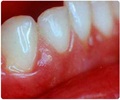
Gum recession or receding gums is a gum disease due to periodontitis. It causes loose teeth, bleeding gums and other dental problems.
Gum recession or receding gums is a gum disease due to periodontitis. It causes loose teeth, bleeding gums and other dental problems.
 Email
Email