MEDINDIA
 English
 हिन्दी
 Español
 français
 中文
中文
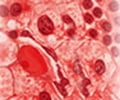
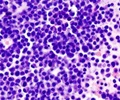
Myelodysplastic syndrome (MDS) is a group of disorders where blood cells don't form or function properly.
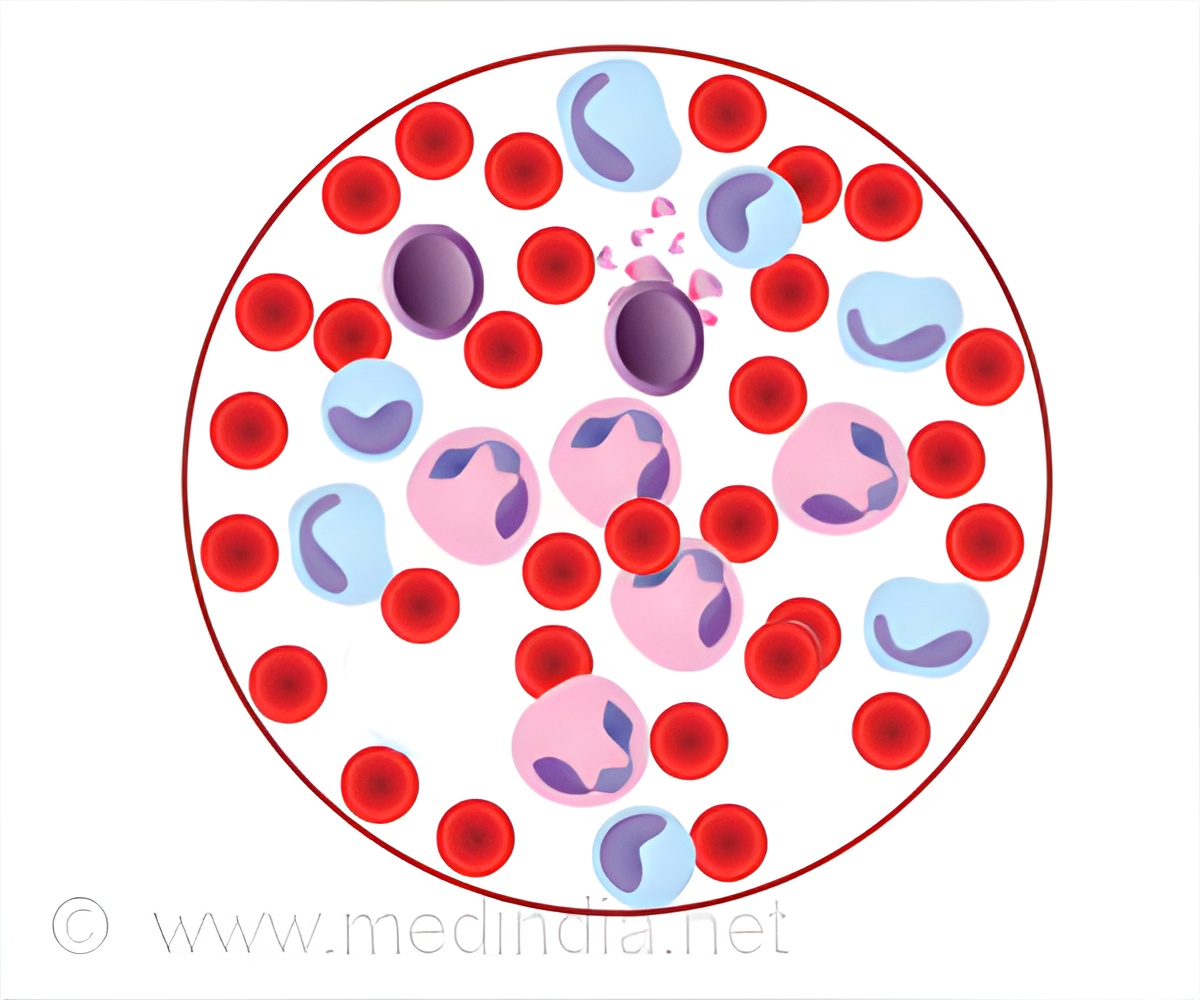
A reference model of circulating hematopoietic stem cells across the lifespan with applications to diagnostics
Go to source).
Genetic Mutations in Blood Stem Cells: A Hidden Risk for Age-Related Diseases
Their interdisciplinary teams—combining expertise from medicine, biology, and data science—are closely monitoring changes in blood-forming stem cells. They've found that roughly one-third of people over 40 develop genetic mutations in these cells. These mutations not only raise the risk of blood cancers like leukemia but are also associated with conditions such as heart disease and diabetes.
Myelodysplastic Syndromes
Myelodysplastic syndromes are a group of bone marrow stem cell disorders marked by ineffective blood cell production and low counts in the peripheral blood.
Myelodysplastic syndromes are a group of bone marrow stem cell disorders marked by ineffective blood cell production and low counts in the peripheral blood.
TOP INSIGHT

A simple #bloodtest combined with advanced #geneticsequencing can now spot early signs of #myelodysplastic_syndrome (#MDS) and assess your #blood_cancer risk. #MedicalBreakthrough
In the new study, a research team led by Dr. Nili Furer, Nimrod Rappoport and Oren Milman, in collaboration with physicians and researchers in Israel and the United States, showed that rare blood stem cells – which occasionally exit the bone marrow and enter the bloodstream – carry diagnostic information about MDS. The researchers also discovered that the migrating stem cells can serve as a clock for our chronological age, and that in males, their population changes earlier than in women in a way that increases the risk of cancer.
Unlocking New Diagnostics: Blood Test Holds Promise Beyond Cancer
This finding may explain the higher prevalence of blood cancers among men. The scientists believe that using the test to diagnose MDS and leukemia is only the beginning, and that in the future it could be applied to a range of other blood-related disorders.
In addition to his laboratory research, Shlush is also a senior physician at Assuta Medical Center in Ashdod and at Maccabi Healthcare Services, and he heads the newly established Miriam and Aaron Gutwirth Medical School at the Weizmann Institute.

Quiz on Leukemia
Making up for 2.9% of all cancers, Leukemia is a serious condition. Do you know all about it? Test your knowledge with this quiz. ...
Making up for 2.9% of all cancers, Leukemia is a serious condition. Do you know all about it? Test your knowledge with this quiz. ...
The school is scheduled to open its doors for the first time this coming October and aims to train the next generation of physician-scientists.
- A reference model of circulating hematopoietic stem cells across the lifespan with applications to diagnostics - (https://www.nature.com/articles/s41591-025-03716-5)
Source-Eurekalert
 Email
Email