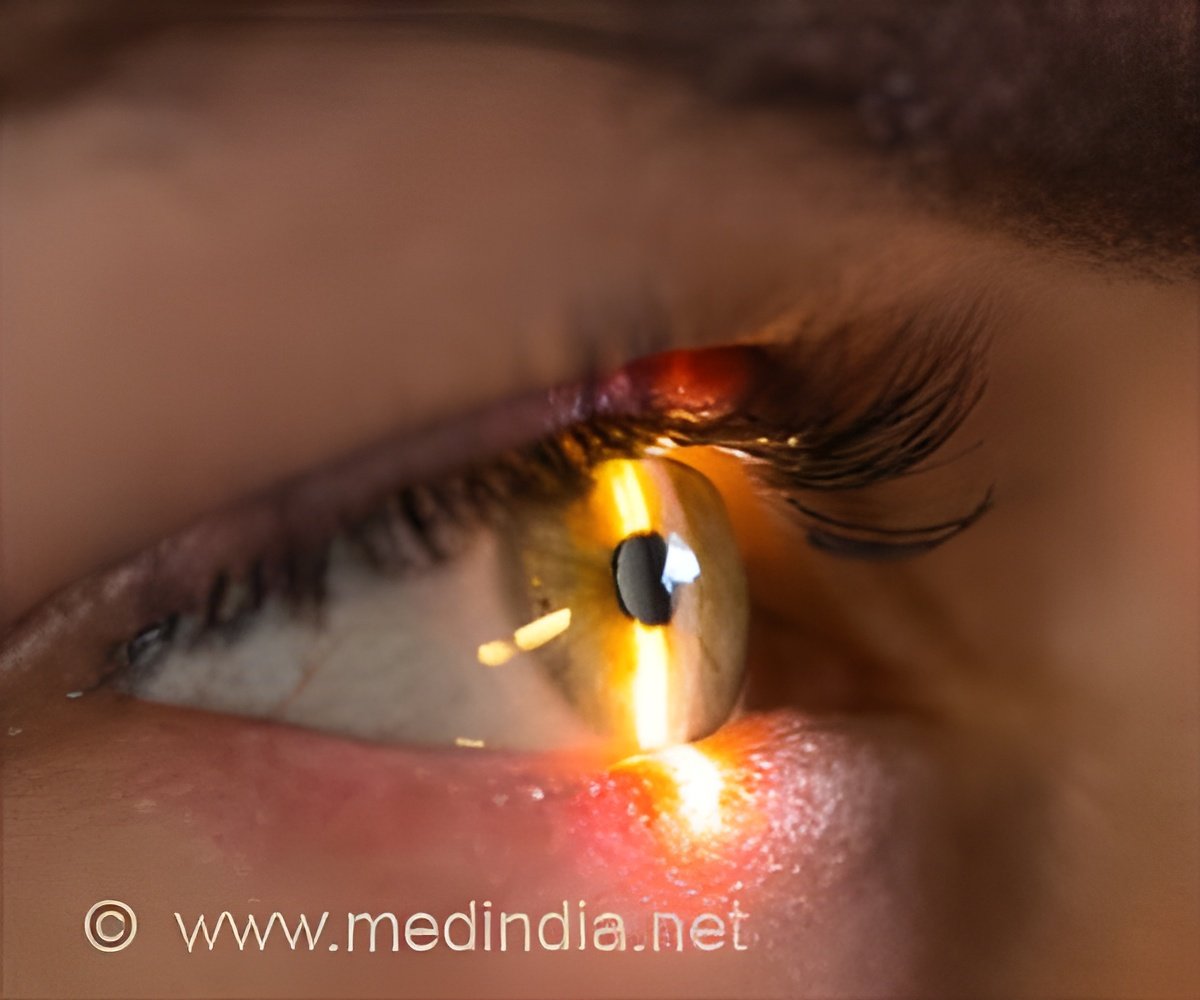
People with early-stage glaucoma view the contrast of visible objects in a very similar way as people without the condition, reports a new study.
Vitamin B3 can Prevent Glaucoma
Vitamin B3 supplement can prevent and also reverse blindness in glaucoma patients. Vitamins are used in combination with other therapies, they produce the energy required to extend the life of the cells.
Vitamin B3 supplement can prevent and also reverse blindness in glaucoma patients. Vitamins are used in combination with other therapies, they produce the energy required to extend the life of the cells.
‘Glaucoma is a common eye condition where the optic nerve which connects the eye to the brain becomes damaged.
’
Read More..




Glaucoma develops slowly over many years and affects peripheral vision first. If untreated, glaucoma results in permanent vision loss. Read More..
Glaucoma makes it harder to see the contrast - the differences between shades of light and dark - so the eyes are less able to detect low contrast objects. But until now it's not been clear if this contrast sensitivity loss means that patients with glaucoma see visible objects in a different way from healthy people.
Now, the University of Bradford team has shown that people with glaucoma see detectable contrast in the same way as healthy patients, despite their measurable vision loss.
World Glaucoma Awareness Week � �B-I-G Beat Invisible Glaucoma�
World Glaucoma Awareness Week is observed from 11th - 17th March. The week emphasizes the need for regular eye check-ups to prevent glaucoma, which affects all the age group.
World Glaucoma Awareness Week is observed from 11th - 17th March. The week emphasizes the need for regular eye check-ups to prevent glaucoma, which affects all the age group.
The researchers found that participants with glaucoma didn't see the image as paler or 'greyed out' in any way; instead, they saw it in exactly the same way as people with healthy vision. The results suggest that glaucoma patients' brains are compensating for damage to the optic nerve.
Advertisement
Newly Approved Glaucoma Drugs Greatly Reduce Eye Pressure
New glaucoma drugs, netarsudil and latanoprostene bunod (LBN), yield large, lasting reductions in intraocular pressure (eye pressure).
New glaucoma drugs, netarsudil and latanoprostene bunod (LBN), yield large, lasting reductions in intraocular pressure (eye pressure).
He added: "It's always struck me as strange that we all accept the need for routine dental checks to maintain our teeth and mouth's health, but that routine eye checks among the general population are not considered important. This is a reminder to get your eyes checked regularly, even if they seem to be fine."
Advertisement
World Glaucoma Awareness Week: Wishing Everyone 20:20 Vision in 2020
World Glaucoma Awareness Week is being celebrated on 8-14 March 2020. It aims to generate awareness about diagnosis, treatment and prevention of glaucoma among the general public.
World Glaucoma Awareness Week is being celebrated on 8-14 March 2020. It aims to generate awareness about diagnosis, treatment and prevention of glaucoma among the general public.