MEDINDIA
 English
 हिन्दी
 Español
 français
 中文
中文
Targeted therapies are the groundbreaking field in cancer care. Drugs or other substances are designed to interfere with genes or molecules that control the growth and survival of cancer cells.


Cancer Key Facts and Statistics
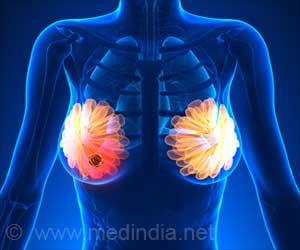
Cancer is an abnormal cell growth and it can destroy other body tissues. 1 in 6 deaths that occur in the world is due to cancer. Here are some key facts and statistics about cancer
Cancer is an abnormal cell growth and it can destroy other body tissues. 1 in 6 deaths that occur in the world is due to cancer. Here are some key facts and statistics about cancer
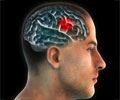
Prior studies have shown that levels of miR-184 are unusually low in tissue samples from patients with malignant gliomas. Using advanced computer analysis techniques designed to study and process biological data, the researchers identified SND1 among a handful of other genes that miR-184 helps regulate. Knowing SND1 is implicated in a variety of cancers and having previously defined its role in liver cancer, Emdad, Fisher and their colleagues explored this relationship further. They confirmed low levels of miR-184 expression in human glioma tissue samples and cultured cell lines as well as an increase in the expression of SND1 compared to normal brain tissue. Using data from a large public brain tumor database called REMBRANDT, the researchers confirmed that patients with lower levels of SND1 survived longer than those with elevated SND1 expression.
"We still have a long way to go and many challenges to overcome before we will have therapies that are ready for clinical use, but this is a significant first step in the process," says Emdad, member of the Cancer Molecular Genetics research program at Massey, assistant professor in the VCU Department of Human and Molecular Genetics and member of the VIMM. "Future studies will aim to explore the relationship between SND1 and STAT3, identify additional microRNAs that may be relevant to malignant glioma and explore the effects of drugs that block SND1 expression in more advanced preclinical models."

Cancer Pain - Causes - Effects - Assessment - Treatment - FAQs - Video
Every 1 out of 3 people undergoing cancer treatment experiences pain.
Every 1 out of 3 people undergoing cancer treatment experiences pain.
Quiz on Bone Cancer
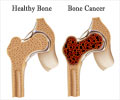
Bone cancer may arise primarily from a bone or may spread from other organs to the bone. See how much you know on bone cancer by taking this quiz.
Bone cancer may arise primarily from a bone or may spread from other organs to the bone. See how much you know on bone cancer by taking this quiz.

Cancer Prevention thro' Lifestyle Changes
Did u know that simple changes in lifestyle could lower your cancer risks? Find out how!
Did u know that simple changes in lifestyle could lower your cancer risks? Find out how!
 Email
Email