MEDINDIA
 English
 हिन्दी
 Español
 français
 中文
中文
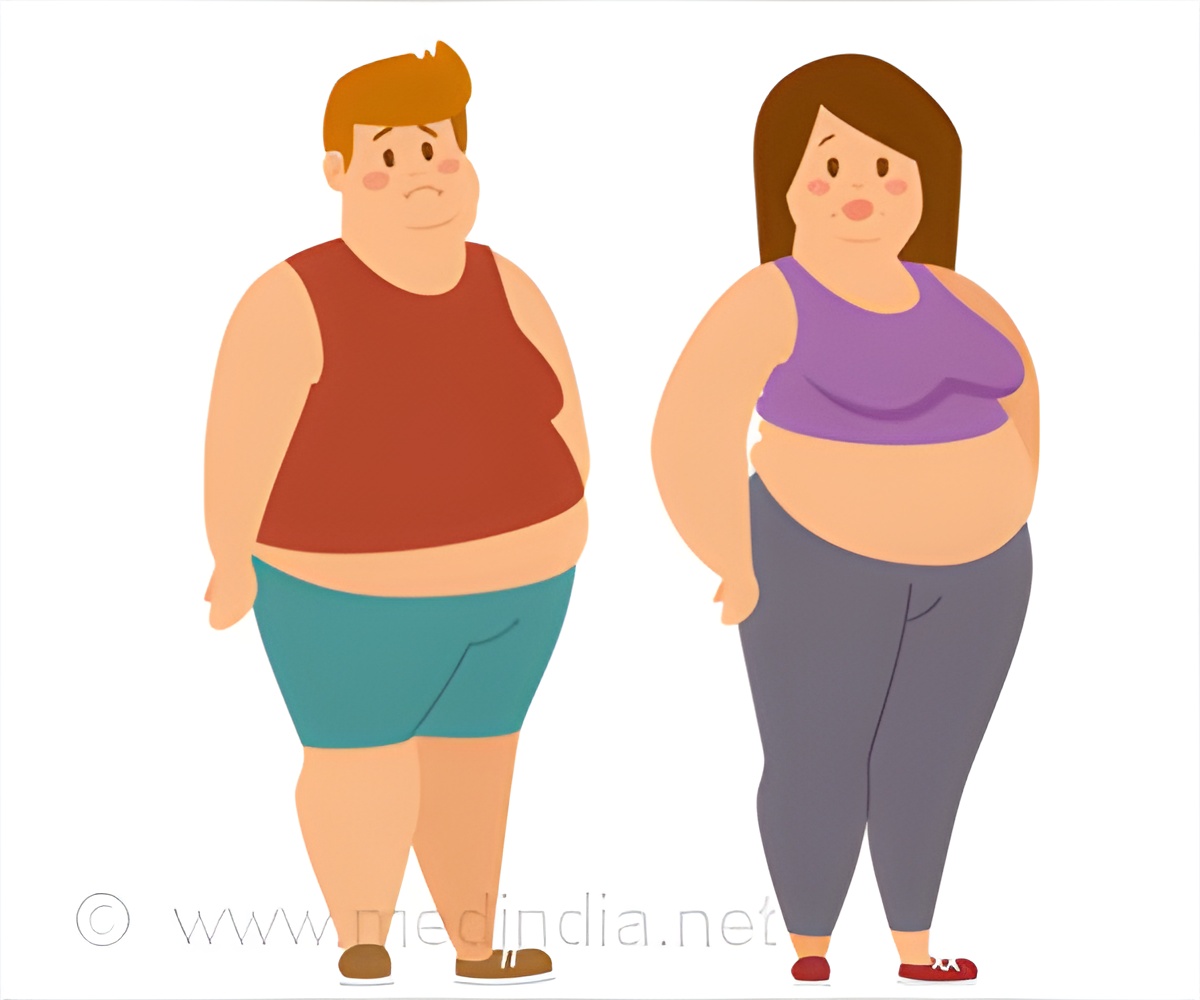
Young adults are often parents or soon-to-be parents and prevention of obesity in this age group may also reduce the prevalence of obesity in their children.

Obesity - Causes, Symptoms, Diagnosis, Complications, Treatment
Obesity is a condition where there is excess accumulation of body fat which poses a risk to the health of the individual. It can affect children and adults.
Obesity is a condition where there is excess accumulation of body fat which poses a risk to the health of the individual. It can affect children and adults.
TOP INSIGHT

Prevention efforts have focused primarily on children and adolescents, yet the prevalence of obesity roughly doubles between pre-adolescence and young adulthood.
He also highlights data showing that excessive weight gain, defined as approximately 45 pounds or more, occurs most frequently during young adulthood. Furthermore, racial and ethnic disparities become more pronounced at this stage, yet very little is known about why the development of obesity and excessive weight gain occur.
"Successful prevention will require more information on the timing, demographics, behaviors, and life-course transitions that could contribute to excessive weight gain in this group," he writes. No other age is associated with as many life transitions that could affect the development of obesity and excessive weight gain as in young adulthood. These transitions include living independently, the first full-time job, marriage, starting a family, and divorce.

Malnutrition to Obesity - The Big Leap
Obesity is the root cause of problems like diabetes, heart disease, stroke, arthritis and gall bladder disease. A serious look at our strategies is needed to tackle this fast growing epidemic.
Obesity is the root cause of problems like diabetes, heart disease, stroke, arthritis and gall bladder disease. A serious look at our strategies is needed to tackle this fast growing epidemic.
The potential impact of developing interventions that focus on young adult parents is supported by research showing that obesity spreads along social and family networks. Additionally, pediatric obesity treatments that targeted the whole family showed that children as well as their parents lost weight.

Carbohydrates and Its Role in Obesity
Over 1 billion people world-wide are obese thus affecting their health due to their nutrition and lifestyle. 3.9% of India’s population is obese! Know more about obesity and its prevention.
Over 1 billion people world-wide are obese thus affecting their health due to their nutrition and lifestyle. 3.9% of India’s population is obese! Know more about obesity and its prevention.
Finally, Dietz highlights that the potential gains related to a reduction in cost and burden of diseases associated with obesity - including diabetes, cancer, and heart disease - could be significant. Several opportunities exist to prevent obesity in young adults.

Childhood Obesity - Criteria - Causes - Complications, Treatment
Childhood obesity is one of the most serious health challenges in the developing countries and needs to be understood and tackled effectively.
Childhood obesity is one of the most serious health challenges in the developing countries and needs to be understood and tackled effectively.
Source-Eurekalert
 Email
Email