MEDINDIA
 English
 हिन्दी
 Español
 français
 中文
中文
Radiotherapy is the standard treatment regimen for locally advanced non-small cell lung cancer (NSCLC), but can lead to esophagitis and radiation pneumonitis.
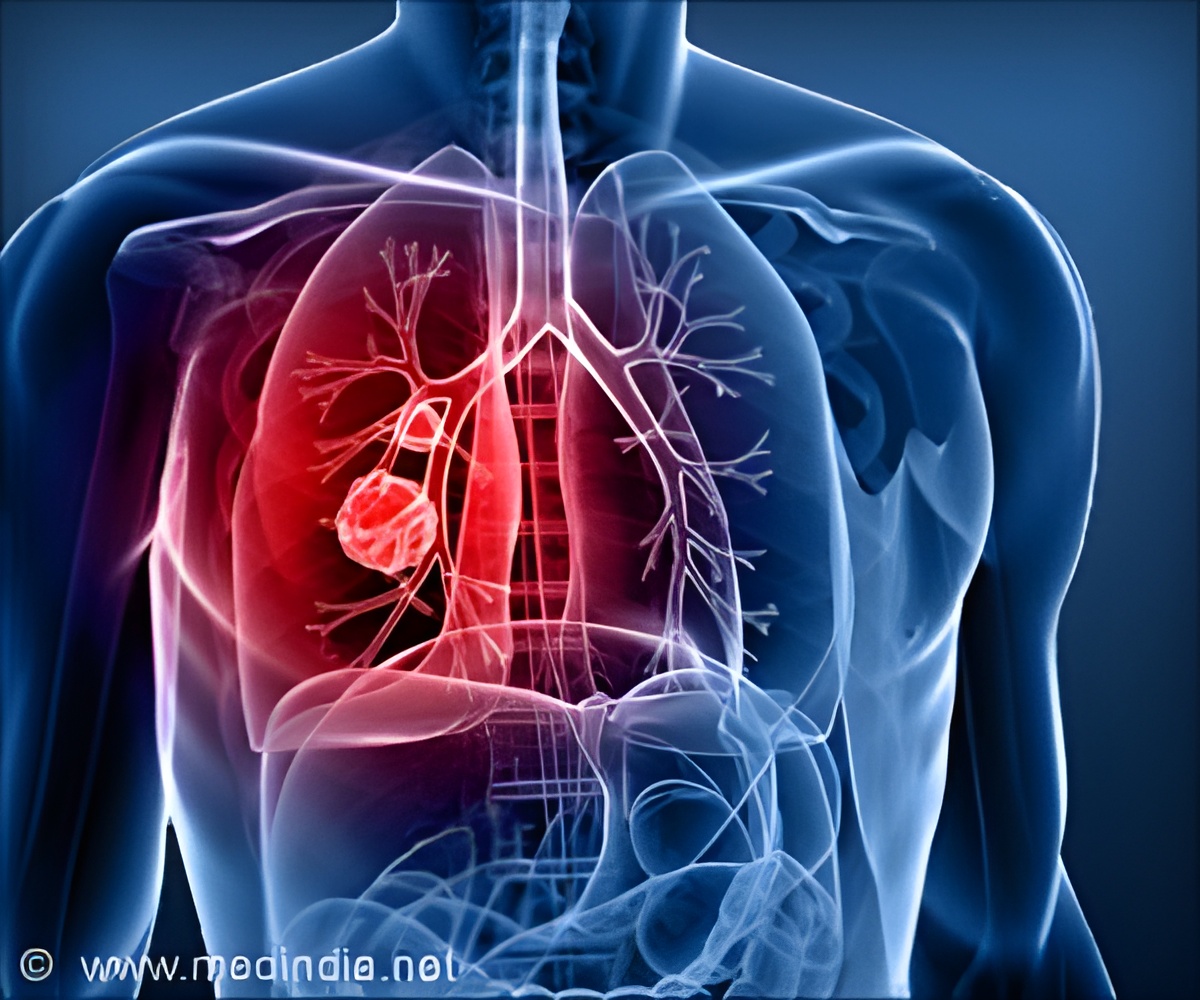
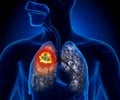
Lung Cancer - Types, Causes, Symptoms, Diagnosis, Treatment and Prevention
Lung cancer is a malignant tumor in the lung tissues. Smoking is the main cause of lung cancer with symptoms like recurrent respiratory diseases.
Lung cancer is a malignant tumor in the lung tissues. Smoking is the main cause of lung cancer with symptoms like recurrent respiratory diseases.
TOP INSIGHT

Elderly non-small cell lung cancer (NSCLC) patients undergoing definitive radiation have a lower incidence of esophagitis compared to younger patients and tolerate aggressive standard treatment regimens.
Radiotherapy is the standard treatment regimen for locally advanced NSCLC, but can lead to esophagitis and radiation pneumonitis, which are potentially life-altering toxicities of thoracic radiation.
Elderly non-small cell lung cancer (NSCLC) patients undergoing definitive radiation have a lower incidence of esophagitis compared to younger patients and tolerate aggressive standard treatment regimens.

Lung Cancer Screening - FAQs
Lung cancer accounts for nearly 1.3 million deaths annually worldwide. Lung cancer screening can help in early detection of cancer and possible cure.
Lung cancer accounts for nearly 1.3 million deaths annually worldwide. Lung cancer screening can help in early detection of cancer and possible cure.
Patients were excluded if they were treated with stereotactic body radiation therapy (SBRT) or if complete dosimetric information was not available for review. Logistic regression modeling was performed to assess the impact of age on esophagitis grade ?3 or ?2 and pneumonitis grade ?3 or ?2, adjusting for esophageal and lung dose, chemotherapy utilization, smoking status, and performance status. The analysis was validated in a large cohort of 691 patients from the Michigan Radiation Oncology Quality Consortium (MROQC) registry, an independent state-wide prospective database.
Computers More Accurate Than Pathologists in Predicting Lung Cancer Type, Severity
A machine-learning approach to identifying critical disease-related features accurately differentiated between two types of lung cancers.
A machine-learning approach to identifying critical disease-related features accurately differentiated between two types of lung cancers.
Of the 125 patients, 82 patients were <70 years old and 48% experienced grade ?2 and 16% experienced grade ?3 esophagitis. Conversely, among the 43 patients age ?70, these rates were 23% (grade ?2) and 2% (grade ?3). Multivariate regression modelling of the UM cohort revealed a significant inverse correlation between age and rate of esophagitis for both grade levels. The same association was noted in the MROQC cohort, which validated these results. There was no significant association between age and pneumonitis.

How to Speed Up Treatment Decisions for Lung Cancer
Genomic and proteomic testing of blood specimens rapidly identify genetic mutations that determine optimal, personalized treatment for lung cancer.
Genomic and proteomic testing of blood specimens rapidly identify genetic mutations that determine optimal, personalized treatment for lung cancer.
Source-Eurekalert
 Email
Email