MEDINDIA
 English
 हिन्दी
 Español
 français
 中文
中文
Muyembe says Ebola can strike anywhere in a couple of decades, and if we aren't vigilant, it has the potential to become a worldwide endemic.
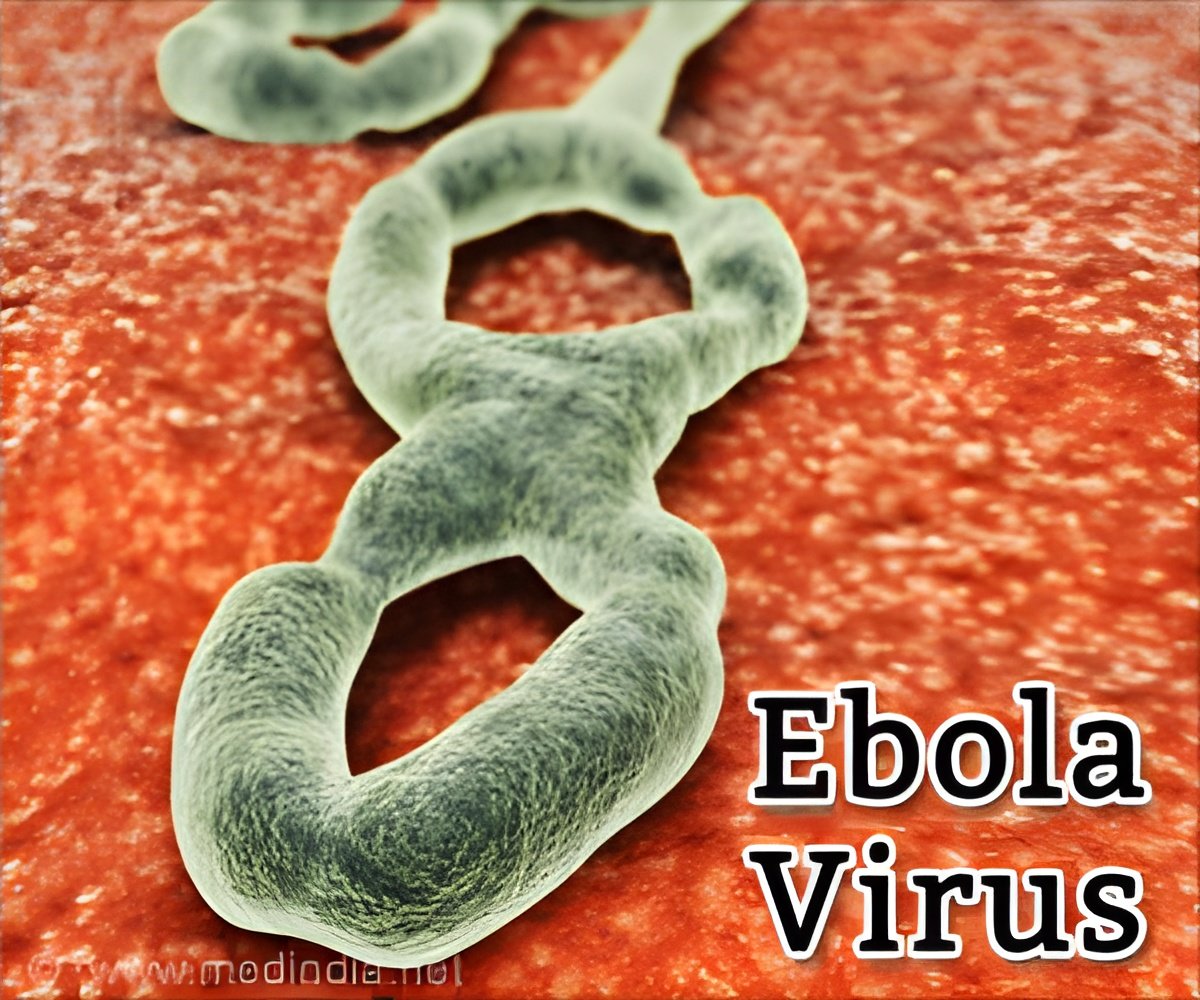
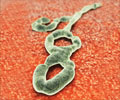
Ebola Virus Disease | Ebola Hemorrhagic Fever: Cause Symptoms Diagnosis Treatment
Ebola is caused by a virus via direct contact with body fluids or infected blood. Scientists have identified five types of Ebola or Ebola hemorrhagic fever virus.
Ebola is caused by a virus via direct contact with body fluids or infected blood. Scientists have identified five types of Ebola or Ebola hemorrhagic fever virus.
Muyembe added, "Then there was total silence until 1995. That year, I was summoned to Tikwit in the south of DR Congo where a bloody diarrhea outbreak was decimating the population, including medical staff. I examined an Italian nun and saw signs that reminded me of the Yambuku incident. I discovered that contamination had taken place in the operation room, in other words, from the patient’s blood."
Muyembe’s discovery that the virus is transmitted through bodily fluids was a key find against Ebola. He said, "From then on, we put in place strategies to fight against the disease, isolating patients, following up on people they had been in contact with, and mobilizing communities. These are strategies that the World Health Organization practices today."

Kenya Lifts Travel Ban from Liberia After It was Declared Ebola-Free by WHO
However, Doctors Without Borders has urged the government to be cautious until the disease is completely extinguished in neighboring Guinea and Sierra Leone.
However, Doctors Without Borders has urged the government to be cautious until the disease is completely extinguished in neighboring Guinea and Sierra Leone.
Even after decades of fighting against the deadly virus, Muyembe said, "I was surprised by the sheer size of the resurgence in Guinea in late 2013. We thought Ebola epidemics could be brought under control quickly. These countries (in west Africa) believed that Ebola was a central and eastern African problem. They weren’t prepared. The epidemic has now ended in Liberia, and is declining in Sierra Leone. But in Guinea, new cases continue to appear. We need to find the most recent cases, even if they are hidden deep in the forest, because if the disease becomes endemic, it would be terrible for the whole world. In 10 or 20 years’ time, this epidemic will return, and we need to be prepared. Ebola can strike anywhere, and we need to be vigilant. The United States and Europe must understand that Africa is their shield."
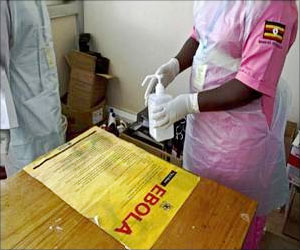
Italian Male Nurse Working With an NGO in Sierra Leone Tested Positive for Ebola
The Italian nurse who contracted the ebola virus will be transferred to the capital's Lazzaro Spallanzani hospital, which specializes in infectious diseases.
The Italian nurse who contracted the ebola virus will be transferred to the capital's Lazzaro Spallanzani hospital, which specializes in infectious diseases.
Source-Medindia
Ebola Crisis Isn't Over, Virus May Spread to Neighboring Countries: WHO
Liberia was recently declared Ebola-free but Sierra Leone and Guinea remain vulnerable to the reappearance of the lethal virus.
Liberia was recently declared Ebola-free but Sierra Leone and Guinea remain vulnerable to the reappearance of the lethal virus.
 Email
Email