MEDINDIA
 English
 हिन्दी
 Español
 français
 中文
中文
Drugs with anti-cholinergic properties could be harmful and increase the rate of emergency department and hospital visits.


Common Sleeping Pill Favors Faster Stroke Recovery
Zolpidem which is currently prescribed for people who suffer from insomnia has shown potential to speed up stroke recovery process.
Zolpidem which is currently prescribed for people who suffer from insomnia has shown potential to speed up stroke recovery process.
TOP INSIGHT

Individuals taking anti-cholinergics should talk with their doctors or pharmacists about possible alternatives.
While taking a drug with mild anti-cholinergic effect daily increased the likelihood of in-patient admission by 11 percent over a year, using a drug with a strong anti-cholinergic effect daily increased the likelihood of inpatient admission by 33 percent over a year, the study said.
Sleeping pills, one of the most common medications used by elders, are in this category as anti-histamines, which are available without prescription, according to the study of 3,344 Americans aged 65 and older.

Sleeping Pills, Skin Creams Must for Future ISS Inhabitants
Researchers found that the use of sleep aids and skin creams was higher than expected among the medications that astronauts used on spaceflight missions.
Researchers found that the use of sleep aids and skin creams was higher than expected among the medications that astronauts used on spaceflight missions.
"This new study provides stronger motivation to design and conduct de-prescribing studies to determine safe ways to take individuals off anti-cholinergic medications in the interests of preserving brain health and decreasing healthcare utilization rates and their potential costs," Campbell noted.

Sleeping Pills Raise Heart Attack Risk
Sleeping pills can increase the risk of heart attacks by up to 50 percent, suggests US study.
Sleeping pills can increase the risk of heart attacks by up to 50 percent, suggests US study.
Source-IANS
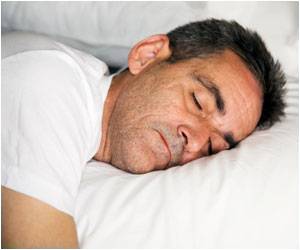
Widespread Use of Sleeping Pills Increases Risk in Space for Sleep-Deprived Astronauts
A new study said that the widespread use of sleeping pills by astronauts can make them less vigilant in the high risk environment of space.
A new study said that the widespread use of sleeping pills by astronauts can make them less vigilant in the high risk environment of space.
 Email
Email