MEDINDIA
 English
 हिन्दी
 Español
 français
 中文
中文
A new material with an extract from green tea could fix this problem and help prevent cavities in the susceptible patients.


Dentin Hypersensitivity – Causes, Risk Factors, Diagnosis & Treatment
Dentin hypersensitivity is an oral condition characterized by sharp pain in the affected dental area in response to thermal, tactile, or chemical stimuli.
Dentin hypersensitivity is an oral condition characterized by sharp pain in the affected dental area in response to thermal, tactile, or chemical stimuli.
TOP INSIGHT

Nanoparticles with a mineral, nanohydroxyapatite and a green tea polyphenol -- epigallocatechin-3-gallate stood up to tooth erosion and prevented biofilm formation which cause cavities.
Unprotected dentin is also vulnerable to cavity formation. Plugging these tubes with a mineral called nanohydroxyapatite is a long-standing approach to treating sensitivity. But the material doesn't stand up well to regular brushing, grinding, erosion or acid produced by cavity-causing bacteria.
Cui Huang and colleagues wanted to tackle sensitivity and beat the bacteria at the same time. The research team encapsulated nanohydroxyapatite and a green tea polyphenol -- epigallocatechin-3-gallate, or EGCG in silica nanoparticles, which can stand up to acid and wear and tear. EGCG has been shown in previous studies to fight Streptococcus mutans, which forms biofilms that cause cavities.

Chinese Green Tea - Health Benefits - Harmful Effects - FAQs
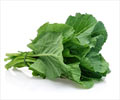
Green tea is the least processed variant of tea. Tea is a beverage made from the processed leaves of Camellia sinensis (Family- Theaceae).
Green tea is the least processed variant of tea. Tea is a beverage made from the processed leaves of Camellia sinensis (Family- Theaceae).
Source-Eurekalert

Dental Check-Up
It is commonly recommended that you visit the dentist twice a year to clean your teeth and gums and also do the basic check–ups.
It is commonly recommended that you visit the dentist twice a year to clean your teeth and gums and also do the basic check–ups.
Prevent Tooth Decay in Children by Using Dental Sealants
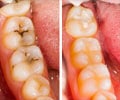
Dental sealants are considered as the quickest, safest and pain-free method to prevent cavities. Dental sealants are also known as pit and fissure sealants.
Dental sealants are considered as the quickest, safest and pain-free method to prevent cavities. Dental sealants are also known as pit and fissure sealants.
 Email
Email