MEDINDIA
 English
 हिन्दी
 Español
 français
 中文
中文
Current solid food introduction recommendations may need to be reevaluated as it might interfere with efforts to prevent food allergies, reports a new study.
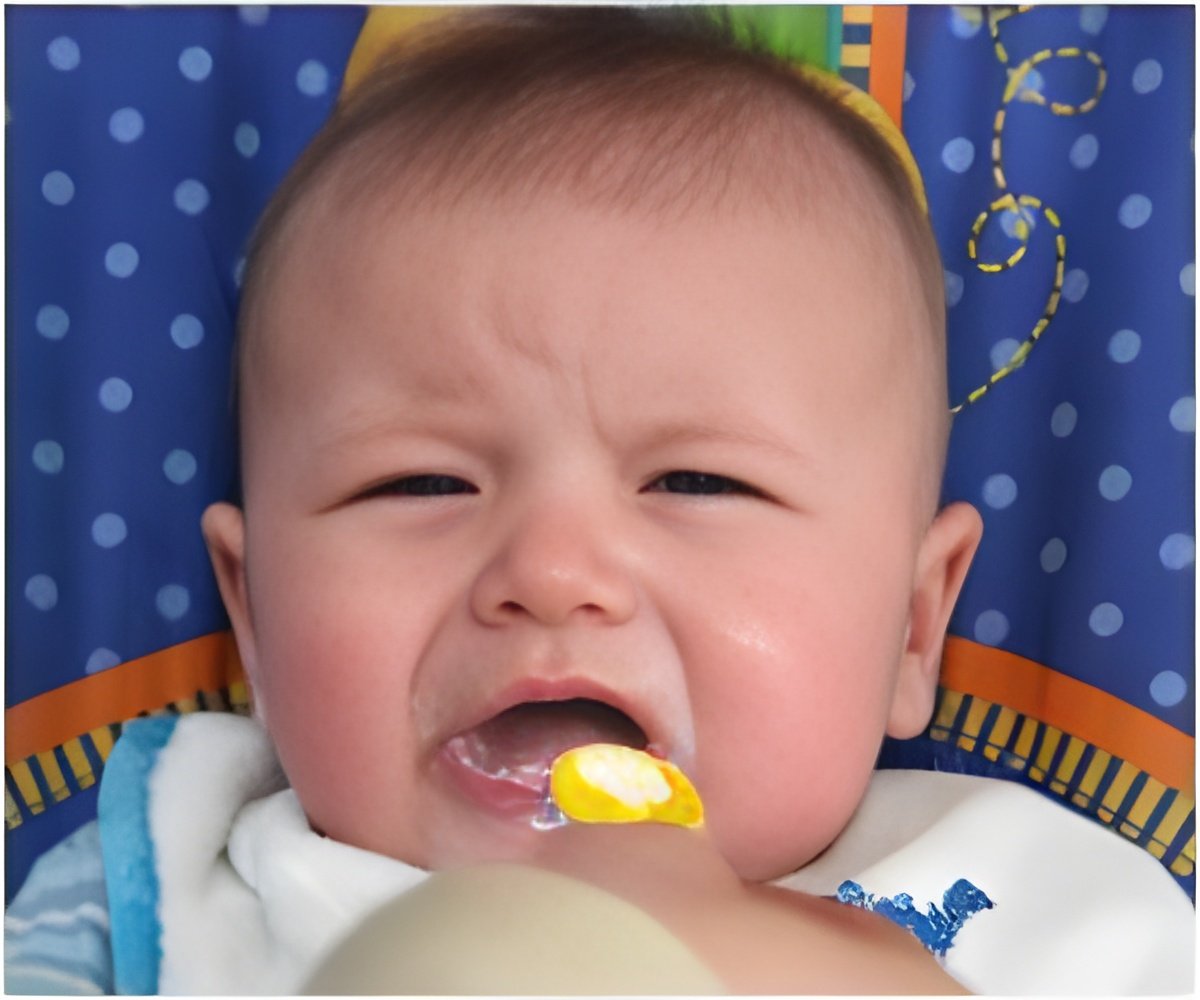

Current Guidelines for Introducing Solid Foods to Babies may Lead to Unhealthy Weight
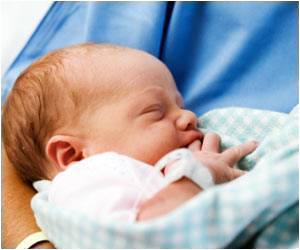
Current solid food feeding guides may likely result in overfed, overweight infants, finds a new study.
Current solid food feeding guides may likely result in overfed, overweight infants, finds a new study.
TOP INSIGHT

Current solid food introduction guidelines need to be revisited and updated to reflect the latest research on food allergy prevention and provide greater clarity for pediatricians and parents on safe, solid food introduction to infants.
"Waiting for days between each new food introduction to infants limits food diversity in the infant diet and may delay peanut introduction," says lead author Waheeda Samady, MD, from Ann & Robert H. Lurie Children's Hospital of Chicago, who is an Assistant Professor of Pediatrics at Northwestern University Feinberg School of Medicine.
"There is now evidence that food diversity helps to decrease the development of allergic diseases in infants, and early peanut introduction is an important peanut allergy prevention strategy. The current guidelines on solid food introduction to infants might interfere with efforts to prevent food allergies, and may need to be reevaluated, especially in light of the variability in pediatric practice found in our study."
Baby Food - Basics
The healthiest baby foods can be made at home. Products from big brands that claim to develop infants’ health in a variety of ways are no match for nutritious home-made preparations.
The healthiest baby foods can be made at home. Products from big brands that claim to develop infants’ health in a variety of ways are no match for nutritious home-made preparations.
"From the perspective of food allergy detection and prevention, there is no reason why a new food can't be tried every day," says senior author Ruchi Gupta, MD, MPH, Director of the Center of Food Allergy and Asthma Research (CFAAR) and Professor of Pediatrics and Medicine at Northwestern University Feinberg School of Medicine and Lurie Children's.

Top 5 Nutritious Foods For Your Baby
Foods for your baby need to contain different nutrients for its growth and development. Know different forms in which foods can be introduced and enjoyed.
Foods for your baby need to contain different nutrients for its growth and development. Know different forms in which foods can be introduced and enjoyed.
Source-Eurekalert
Researchers Develop New Method to Detect Traces of Veterinary Drugs in Baby Food
The increasing cases of the detection of veterinary drugs in infant foods are a cause for concern, but that may now change
The increasing cases of the detection of veterinary drugs in infant foods are a cause for concern, but that may now change
 Email
Email