MEDINDIA
 English
 हिन्दी
 Español
 français
 中文
中文
During the acute and post-recovery phases, COVID-19 infection can lead to severe bone loss, which caused the inflammatory activation of bone resorption cells.
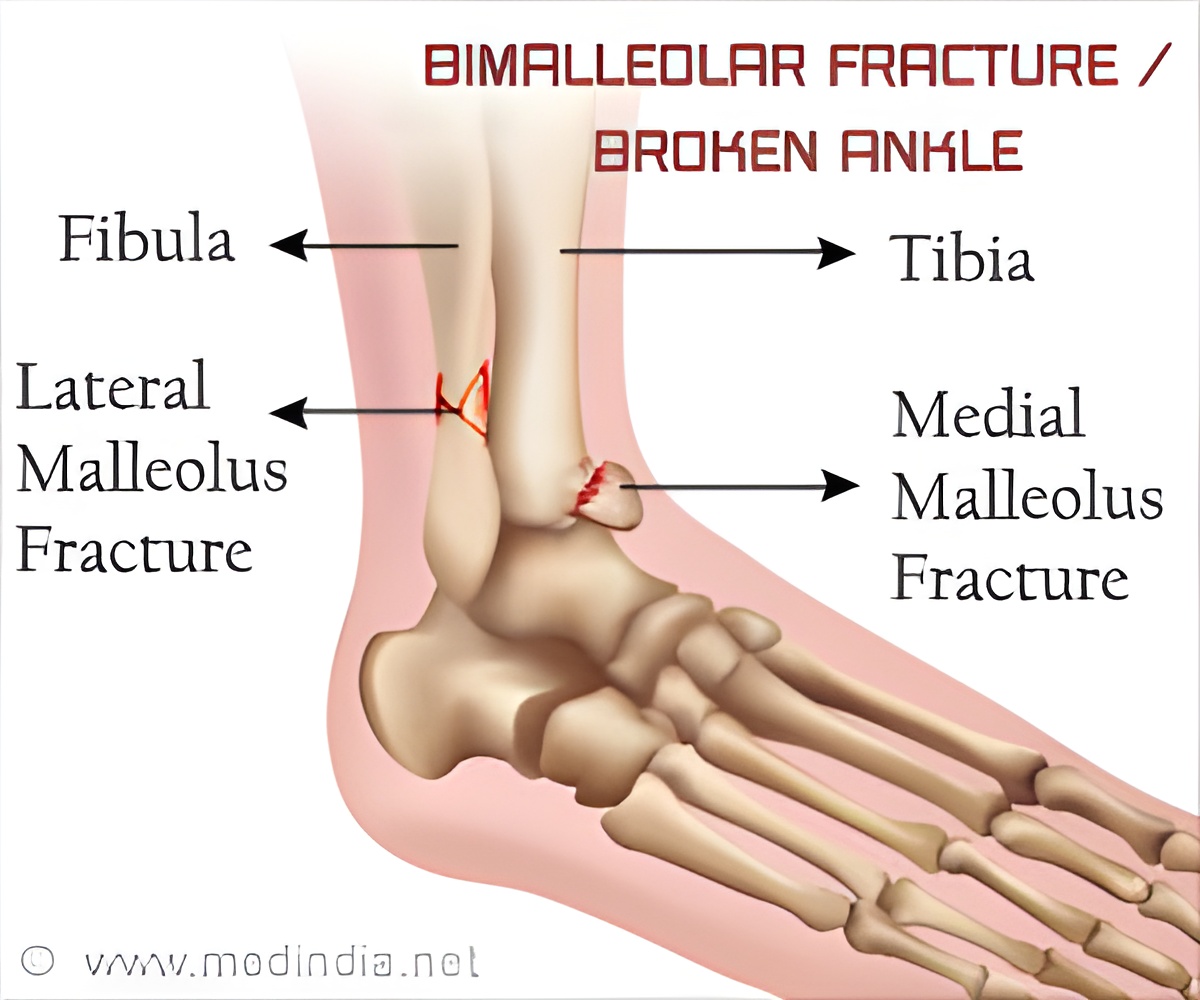
Fracture - Types - Causes - Symptoms - Diagnosis - Treatment - FAQs
A fracture is a condition where the continuity of the bone is lost. Majority of bone fractures occur because of high force impact or stress on a bone.
A fracture is a condition where the continuity of the bone is lost. Majority of bone fractures occur because of high force impact or stress on a bone.
TOP INSIGHT

The pathological bone loss may be an important but neglected complication, which warrants more extensive investigations during the long-term follow-up of Covid-19 patients.
Covid survivors were so far known to experience debilitating, lingering symptoms that affect the heart, brain, lungs, and other parts of the body. However, the full spectrum of clinical manifestations, especially the influence of SARS-CoV-2 infection on bone metabolism, has yet to be fully understood.
COVID-19’s Effect on Bones
To study the effects of Covid infection on bone metabolism, Syrian hamsters were intranasally challenged with SARS-CoV-2, and then their bone tissues were collected serially after the infection.Using three-dimensional micro-computerized tomography scans, the research team identified that SARS-CoV-2 infection had induced severe bone loss from 20% to 50% progressively, particularly the trabecular bone in the long bones lumbar vertebrae.

Test your Knowledge on Coronavirus (COVID-19)
Coronavirus is a large positive-strand RNA virus that is surrounded by a protein envelope. The virus obtains its name from the S protein spikes on its surface, which resemble a crown. The overall pattern of increasing coronavirus cases is shown to spike up with the “second wave” of COVID-19.
With spiking effects of the second wave of coronavirus, the best way to keep it at bay is to follow COVID-appropriate safety practices like wearing a mask, regularly cleaning your hands, and coughing into a bent elbow or tissue along with physical distancing (6 feet about 2 arm's length), that may help evade the severity of COVID-19 infection.
Coronavirus is a large positive-strand RNA virus that is surrounded by a protein envelope. The virus obtains its name from the S protein spikes on its surface, which resemble a crown. The overall pattern of increasing coronavirus cases is shown to spike up with the “second wave” of COVID-19.
With spiking effects of the second wave of coronavirus, the best way to keep it at bay is to follow COVID-appropriate safety practices like wearing a mask, regularly cleaning your hands, and coughing into a bent elbow or tissue along with physical distancing (6 feet about 2 arm's length), that may help evade the severity of COVID-19 infection.

How Does Gum Disease Lead to Bone Loss?
Do you how gum infections lead to bone loss and eventually tooth loss? researchers have discovered new mechanisms for bone loss in gum disease.
Do you how gum infections lead to bone loss and eventually tooth loss? researchers have discovered new mechanisms for bone loss in gum disease.
Source-IANS
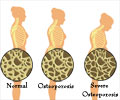
Top 10 Tips to Increase Bone Strength
Find out how to increase bone strength and lower your risk of suffering from degenerative bone conditions like osteoporosis with some simple tips.
Find out how to increase bone strength and lower your risk of suffering from degenerative bone conditions like osteoporosis with some simple tips.
 Email
Email