MEDINDIA
 English
 हिन्दी
 Español
 français
 中文
中文
Cancer cachexia causes loss of appetite, weight loss and wasting in most patients with cancer towards the end of their lives.

Gut Microbiome May Help Improve Immunotherapy Response in Skin Cancer
Adapting people's gut bacteria, such as giving antibiotics, probiotics, or a faecal transplant before immunotherapy may have better outcome.
Adapting people's gut bacteria, such as giving antibiotics, probiotics, or a faecal transplant before immunotherapy may have better outcome.
TOP INSIGHT

The inability to generate energy sources by the liver triggers a hormonal response that suppresses the immune cell reaction to cancers, and causes failure of anti-cancer immunotherapies.
In research published in the journal Cell Metabolism, the scientists have shown in mice that even at the early stages of cancer development, before cachexia is apparent, a protein released by the cancer changes the way the body, in particular the liver, processes its own nutrient stores.
"The consequences of this alteration are revealed at times of reduced food intake, where this messaging protein renders the liver incapable of generating sources of energy that the rest of the body can use," explains Thomas Flint, an MB/PhD student from the University of Cambridge School of Clinical Medicine and co-first author of the study.

Advanced Skin Cancer Responds Well To Combination With Immunotherapy
For patients that are diagnosed in the late stages of skin cancer, treatment with a combination of targeted treatments with immunotherapy is ideal.
For patients that are diagnosed in the late stages of skin cancer, treatment with a combination of targeted treatments with immunotherapy is ideal.
"Cancer immunotherapy might completely transform how we treat cancer in the future -- if we can make it work for more patients," says Dr Tobias Janowitz, Medical Oncologist and Academic Lecturer at the Department of Oncology at the University of Cambridge and co-first author.
Combination Immunotherapy Drugs for Cancer Treatment May Cause Rare Cardiac Side Effects
Ipilimumab and nivolumab in combination therapy for cancer treatment causes rare and fatal cardiac side effects.
Ipilimumab and nivolumab in combination therapy for cancer treatment causes rare and fatal cardiac side effects.
The next step for the team is to see how this discovery might be translated for the benefit of patients with cancer. "If the phenomenon that we've described helps us to divide patients into likely responders and non-responders to immunotherapy, then we can use those findings in early stage clinical trials to get better information on the use of new immunotherapies," says Professor Duncan Jodrell, director of the Early Phase Trials Team at the Cambridge Cancer Centre and co-author of the study.
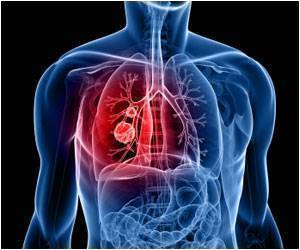
Rationale for Use of Targeted Immunotherapy in Sarcomatoid Lung Carcinomas Highlighted
Rare subtypes of poorly differentiated non–small-cell lung carcinomas of high grade and aggressive behavior are observed in sarcomatoid carcinomas of the lung.
Rare subtypes of poorly differentiated non–small-cell lung carcinomas of high grade and aggressive behavior are observed in sarcomatoid carcinomas of the lung.
Source-Eurekalert
 Email
Email