MEDINDIA
 English
 हिन्दी
 Español
 français
 中文
中文
The fast-food meals meant for kids must include a serving of fruit, vegetables or whole grain, with no more than 35% of calories coming from fat.


Childhood Obesity - Criteria - Causes - Complications, Treatment
Childhood obesity is one of the most serious health challenges in the developing countries and needs to be understood and tackled effectively.
Childhood obesity is one of the most serious health challenges in the developing countries and needs to be understood and tackled effectively.
The researchers found that 98% of the meals did not meet the proposed guidelines. The paper was published in the American Journal of Preventive Medicine. On an average, adults purchased 600 calories per child and 36% of those calories are from fat.
They concluded that if those meals complied with the proposed guidelines, the proposed purchased patterns would result in a 9% drop in calories consumed by kids at fast-food restaurant along with a 10% drop in both sodium consumption and calories from fat.
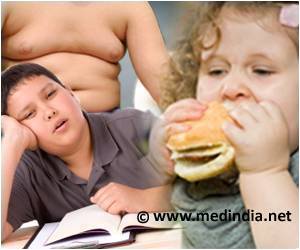
Supermarkets may Not Result in Healthful Dietary Habits or Reductions in Childhood Obesity
A new study has revealed that introduction of a government-subsidized supermarket within neighborhoods may not result in healthful dietary habits or reductions in childhood obesity.
A new study has revealed that introduction of a government-subsidized supermarket within neighborhoods may not result in healthful dietary habits or reductions in childhood obesity.
Also the NYU study revealed that only 1/3rd of the of the fast food meals being purchased for children were happy meals or other dishes that are marketed for youngsters. The rest of what those kids were eating came from the adult menus that were rich in calories and fat-infused. So even if the calories are reduced in the children’s meals, it will not make much difference if the parents are ordering food from adult menus.
Childhood Obesity Rates Higher in the United States Than Canada Since 1980�s
A survey showed that 19% of children especially girls in the age 7-12 years were obese in the US, whereas only 9% of Canadian girls were obese.
A survey showed that 19% of children especially girls in the age 7-12 years were obese in the US, whereas only 9% of Canadian girls were obese.
When the three fast-food chains targeted in the study were asked to respond, a spokesperson for Burger King said that the company “is committed to providing a variety of menu options for our guests and their children that meet their individual nutritional needs.” The company added that it “reviews its menu and nutrition criteria on an ongoing basis to ensure it is consistent with established scientific and government standards,” and that it follows recommended nutritional standards of the Children’s Food and Beverage Advertising Initiative.
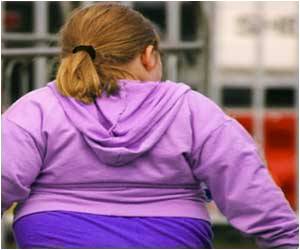
European Children Who Are Obese Are More Likely to Dropout of School Due To Stigma
Children as young as six years are traumatized with being overweight. This is worse among girls who had a greater desire to be thin even at this young age.
Children as young as six years are traumatized with being overweight. This is worse among girls who had a greater desire to be thin even at this young age.
However the benefits of legislating nutrition continue to be debated widely. In fact, when New York City banned trans fats in restaurants, studies showed that the amount of calories consumed actually increased.
Source-Medindia
 Email
Email