MEDINDIA
 English
 हिन्दी
 Español
 français
 中文
中文
Anesthetic and non-opioid painkiller drugs are transferred to breast milk in only very small amounts, therefore, there is no need to discard any breast milk due to fear of contamination. Breastfeeding can be resumed as soon as the mother is awake and alert to feed the baby.
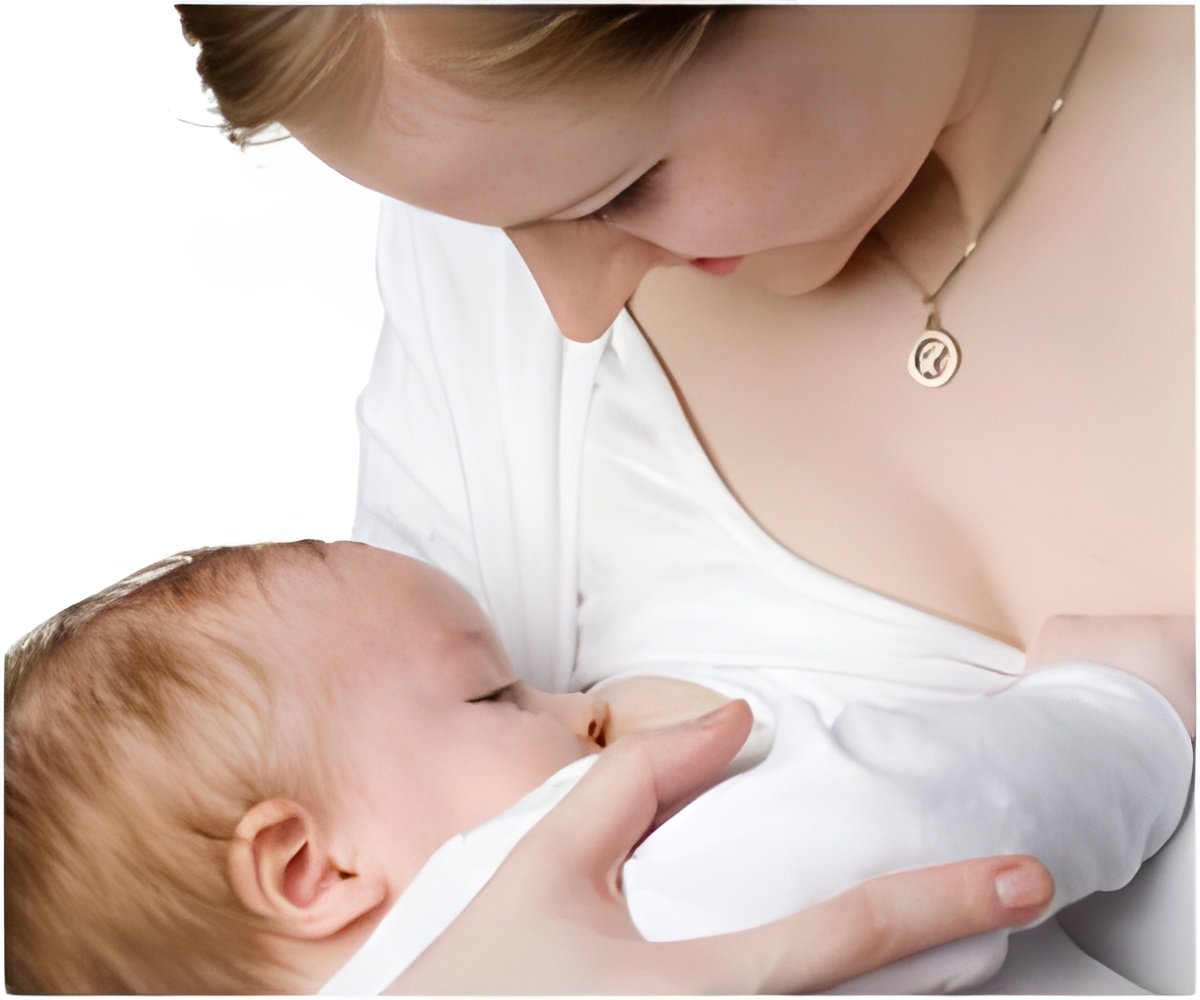

How and When to Stop Breastfeeding
If you want to stop breastfeeding, then here is your guide to doing it the right way. Find the answers to all your questions regarding weaning off breast milk, including when and how to do it!
If you want to stop breastfeeding, then here is your guide to doing it the right way. Find the answers to all your questions regarding weaning off breast milk, including when and how to do it!
TOP INSIGHT

Local and regional anesthetics have least interference with breastfeeding and require only a little alteration. Supportive care for the woman in the peri-operative period, and accurate advice, will ensure minimal disruption to breastfeeding.
Read More..
They also add that codeine should not be used by breastfeeding women following concerns of excessive sedation in some infants, related to differences in metabolism.
More generally, the guidelines say that any women with an infant aged 2 years or younger should routinely be asked if they are breastfeeding during their preoperative assessment, so that it can be explained to them that breastfeeding will be safe after their surgery. They say, "Where possible, day surgery is preferable to avoid disrupting normal routines. A woman having day surgery should have a responsible adult stay with her for the first 24 hours. She should be cautious with co-sleeping, or sleeping while feeding the infant in a chair, as she may not be as responsive as normal."

Effects of Consuming Alcohol while Breastfeeding
Is alcohol safe during breastfeeding? The answer and the effects of consumption of alcohol by a lactating mother on her breastfed infant.
Is alcohol safe during breastfeeding? The answer and the effects of consumption of alcohol by a lactating mother on her breastfed infant.
Source-Eurekalert

Importance of Breast Feeding-Stages-Advantages-Benefits-Storage-FAQs
From antibodies, to the exclusive nutrients, the benefits of breastfeeding are incalculable.
From antibodies, to the exclusive nutrients, the benefits of breastfeeding are incalculable.

Nutrient Needs in Lactation
Inadequacies in a lactating mother’s diet influences both the quantity and quality of milk secreted, although the effect in quantity is more profound.
Inadequacies in a lactating mother’s diet influences both the quantity and quality of milk secreted, although the effect in quantity is more profound.
 Email
Email